Agastache: The Hummingbird Herb That Bridges Gardens, Kitchens, and Conservation
Introduction In a world where flavor, fragrance, and function rarely converge, Agastache — often called hyssop or hummingbird mint —…
Introduction
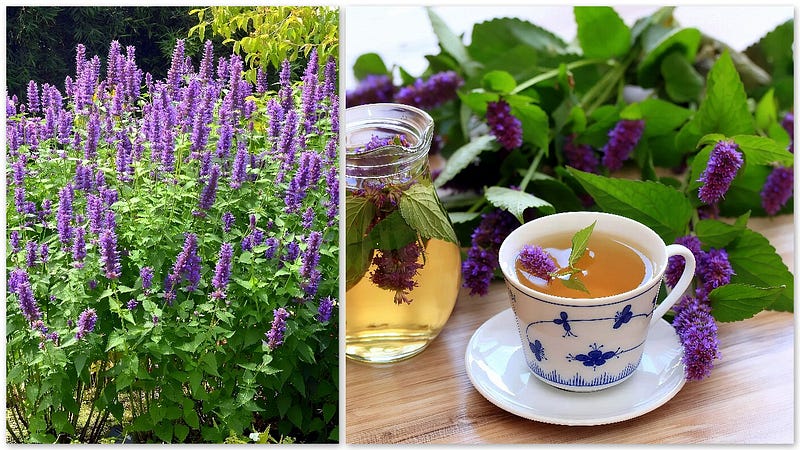
In a world where flavor, fragrance, and function rarely converge, Agastache — often called hyssop or hummingbird mint — emerges as a botanical marvel. This genus isn’t just a pollinator magnet or a chef’s secret ingredient; it’s a living bridge between ornamental beauty and ecological integrity. Found blooming in bursts of lavender, coral, and indigo, Agastache draws not only bees and birds but also herbalists, chefs, and sustainability advocates from around the globe. To understand Agastache is to journey through botany, biodiversity, and the soul of the garden.
Taxonomy
Agastache belongs to the mint family, Lamiaceae, and is native to North America and parts of Asia. The genus contains about 22 recognized species, with Agastache foeniculum (anise hyssop) and Agastache mexicana being among the most culturally and culinarily celebrated. Known by common names such as giant hyssop, hummingbird mint, and licorice mint, these plants are often mistaken for true hyssop (Hyssopus officinalis), though they are not closely related. Select cultivars like ‘Blue Fortune,’ ‘Apache Sunset,’ and ‘Tutti Frutti’ have been developed for gardens and gastronomy alike, prized for their upright floral spikes and intoxicating scent.
Biology
Agastache plants typically grow two to four feet tall, with square stems — a signature of mint family members — and lanceolate leaves exuding a sweet, licorice-like aroma when bruised. These herbaceous perennials exhibit a robust drought tolerance, a trait inherited from their native prairie and mountainous habitats. Their tubular flowers bloom from midsummer to early fall, perfectly adapted to long-tongued pollinators like hummingbirds and butterflies. The plant’s aromatic oils act as a natural pest deterrent, making it a favorite in companion planting schemes. Agastache’s root system is fibrous and shallow, thriving in well-drained soils and poor fertility, where other herbs might falter.
Ecology
Agastache plays a pivotal ecological role in arid and semi-arid environments, especially in North American grasslands and rocky outcrops. Its extended blooming season provides a consistent nectar source when other wildflowers have withered under midsummer heat. As climate volatility intensifies, Agastache has become a keystone genus in xeriscaping and pollinator habitat restoration. It offers sanctuary to native bees, deters invasive pests, and coexists harmoniously with other dryland flora like echinacea and rudbeckia. From an ecological design perspective, Agastache functions as both an aesthetic anchor and a biological insurance policy in sustainable landscaping.
Uses
Beyond its ecological virtue, Agastache has found growing importance in horticulture, herbal medicine, and market farming. As urban dwellers pivot toward container gardening and edible landscapes, Agastache serves as both a pollinator attractant and a flavor crop. Its essential oils are being studied for antimicrobial and anti-inflammatory properties, and its dried flowers command a modest but growing price in herbalist markets. Dried blossoms and leaves are often sold as loose teas or infused into honey, soaps, and tinctures. In the age of climate-aware commerce, Agastache offers a low-input, high-impact crop for farmers interested in regenerative agriculture and niche herbal goods.
Culinary Aspects
With its delicate notes of anise, mint, and citrus, Agastache has captivated chefs from Oaxaca to Oregon. The flowers make striking garnishes on desserts, while the leaves lend depth to herbal teas, syrups, and cocktails. In indigenous North American traditions, Agastache foeniculum was steeped as a digestive tonic and cold remedy. Today, avant-garde kitchens use it to flavor panna cotta, rim glasses for absinthe cocktails, and perfume slow-roasted meats. The plant’s mild, sweet flavor is subtle but persistent, offering an herbal grace note rather than overwhelming the palate. It pairs beautifully with honey, lemon, and dairy — imagine a goat cheese tart with anise hyssop blossoms delicately scattered across the top.
Wine Pairings
Pairing wine with Agastache-infused dishes requires a light touch and a nod to the herb’s anise character. Gewürztraminer, with its lychee sweetness and floral nose, echoes Agastache’s aromatic complexity without overpowering it. Viognier’s stone fruit undertones and creamy mouthfeel complement the herb’s mild spice in savory applications. For a more daring combination, an absinthe-spiked cocktail or pastis spritz nods to the plant’s family resemblance to traditional herbal liqueurs. Avoid overly tannic reds, which can flatten the delicacy of Agastache and overpower its licorice breeze. Instead, think effervescent whites, aromatic rosés, and clean, herb-forward spirits.
Conclusion
Agastache is more than just a pretty plant with a poetic name — it is a botanical diplomat, navigating the crossroads of ecology, gastronomy, and sustainability. In cultivating it, we are not only growing a flower, but nourishing pollinators, preserving heirloom flavors, and shaping resilient, biodiverse spaces. As the world awakens to the symbiosis between what we plant and how we live, Agastache invites us to imagine a garden that feeds both body and soul. In its lilac towers and minty breeze lies a promise: that nature, when honored, gives back in scent, sustenance, and song.