Agave Americana: The Century Plant’s Sweet Legacy and Healing Secrets
Introduction
Introduction
Towering like a natural monument from the arid landscapes of Mexico and the American Southwest, Agave americana — better known as the century plant — has fed, healed, and inspired humanity for millennia. Despite its misleading name, it doesn’t take a hundred years to bloom — but when it does, it erupts into a floral spectacle before dying, leaving behind offspring in its place. This is a plant born of extremes: sharp spines and sweet nectar, medicinal bitterness and divine symbolism. From sacred rituals to modern-day recipes, Agave americana is not merely a desert survivor — it’s a cultural and botanical icon with a story worth telling.
The Botanical Wonder of Agave americana
Resilient and majestic, Agave americana is a succulent of the Asparagaceae family, adapted to some of the harshest climates on Earth. It thrives in sandy or rocky soils with superb drainage and infrequent rainfall. Its thick, gray-green leaves form a large rosette, armed with serrated edges and a piercing terminal spine. Each plant flowers once — typically after 10 to 30 years — sending up a monumental stalk that can reach 26 feet, crowned with bright yellow blossoms. After blooming, the parent plant dies, but not before ensuring its genetic future through basal shoots called “pups.”
More than just a marvel of survival, the plant contains a biochemical arsenal: fructans that act as prebiotics, saponins with antimicrobial properties, and a sugary sap known as aguamiel — the raw material for both sacred and celebratory beverages.
A Sacred and Practical Heritage
The cultural journey of Agave americana begins with the ancient civilizations of Mesoamerica. The Aztecs revered the agave as a divine gift, believing it was bestowed by Mayahuel, the goddess of fertility. Its uses spanned the spiritual and the everyday. Fermented aguamiel became pulque, a ritual drink consumed by priests and nobility. Warriors were cleansed with agave sap before battle, and ceremonies invoked its presence to honor life, death, and rebirth.
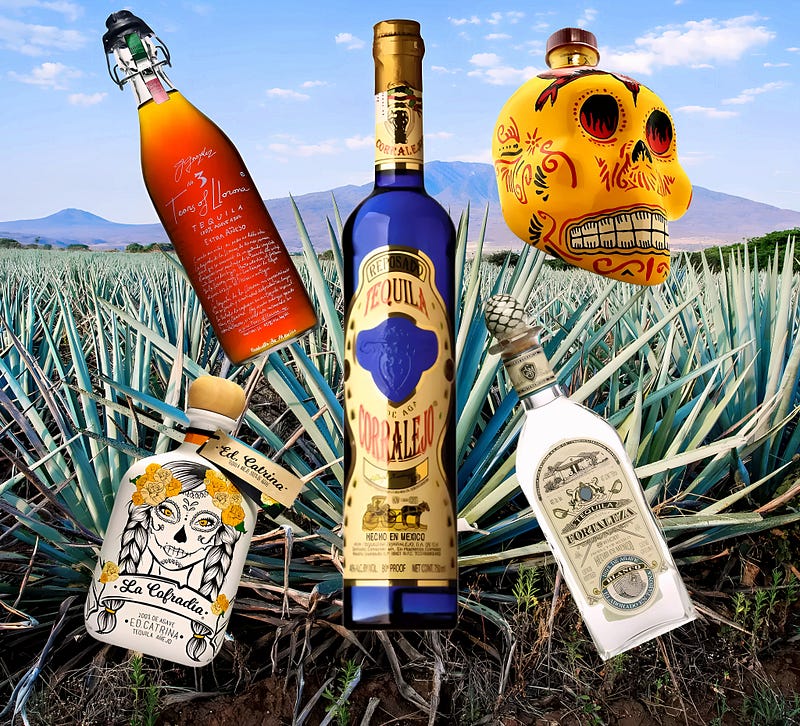
With the arrival of the Spanish came a new chapter: pulque gave rise to distilled spirits. Mezcal and tequila, though more closely tied to other agave species like Agave tequilana, owe their genesis to indigenous methods of agave fermentation and processing. Beyond libations, the plant’s fibers were spun into rope, its spines used as needles, and its leaves shaped into tools. Agave wasn’t just sustenance — it was civilization in plant form.
Culinary Traditions: From Stalk to Spirit
Today, Agave americana continues to inspire chefs, distillers, and home cooks. The sugary sap (aguamiel) can be enjoyed fresh or fermented into pulque, offering a yeasty, tangy profile. Further distillation leads to the smoky notes of mezcal, a favorite among connoisseurs.
Yet the plant is not only liquid gold. Young flower stalks, harvested before they bloom, are a delicacy in rural kitchens. When roasted, their sweet, earthy flavor develops a caramel-like depth, making them ideal for traditional dishes or creative reinterpretations.
Even the thick leaves, once de-spined and thoroughly cooked, can be incorporated into dishes — though caution is essential, as they are fibrous and mildly toxic when raw.
Folk Medicine and Modern Science
The medicinal uses of Agave americana are as deep-rooted as its cultural ones. Indigenous healers used the plant’s sap to clean wounds, soothe burns, and treat skin infections. Its internal applications included remedies for constipation, bloating, and jaundice.
Modern science has begun to validate these traditional claims. Flavonoids and saponins found in the plant exhibit anti-inflammatory, antimicrobial, and antioxidant properties. Fructans serve as prebiotics, supporting gut health. However, the plant’s potency requires respect: improper preparation can lead to irritation or toxicity. Its power lies in knowledgeable use — not blind consumption.
Note: Always consult a medical professional before using herbal remedies.
Recipe Spotlight: Roasted Agave Flower Stalk
Ingredients:
- 1 young agave flower stalk
- Olive oil
- Salt and pepper
- Optional: agave nectar or honey for glazing
Instructions:
- Carefully cut a young flower stalk before blooming. Remove outer layers and spines.
- Soak overnight in cold water to reduce bitterness.
- Preheat oven to 375°F (190°C). Pat stalk dry, coat with olive oil, salt, and pepper.
- Roast for 90–120 minutes, turning periodically, until tender and caramelized.
- In the last 15 minutes, glaze with honey or agave nectar if desired.
- Let cool, slice, and serve as a side dish or component in a warm salad.
Note: Proper identification of the plant is essential. Some wild agave species are unsafe for consumption.
A Living Symbol of Endurance
More than a plant, Agave americana is a paradoxical symbol of transience and legacy. It dies after flowering, yes — but only after creating life. It offers sweetness and healing, but wields spines and toxins. From Aztec temples to modern kitchens, from sacred pulque to artisanal mezcal, the century plant is a perennial reminder that resilience and richness often spring from the harshest soil.
In a world increasingly drawn to sustainable living and ancient wisdom, the agave invites us to look backward to move forward — toward deeper roots, stronger communities, and flavors that have stood the test of time.