Beneath the Breakwater: The Life, Legacy, and Table of the Tautog
Introduction Along the rocky jetties and weathered breakwaters of the North Atlantic, there is a fish whose life story is written in stone…
Introduction
Along the rocky jetties and weathered breakwaters of the North Atlantic, there is a fish whose life story is written in stone — literally. The tautog, Tautoga onitis, is a master of camouflage and a slow-growing survivor of the seabed’s hidden fortresses. Anglers prize it for its stubborn fight; chefs prize it for its mild, sweet flesh. Yet its story is more than sport or supper — it is a tale of resilience, adaptation, and a delicate balance between harvest and habitat. To know the tautog is to understand the intricate dance between coastal ecosystems, culinary tradition, and the demands of sustainability.
Taxonomy
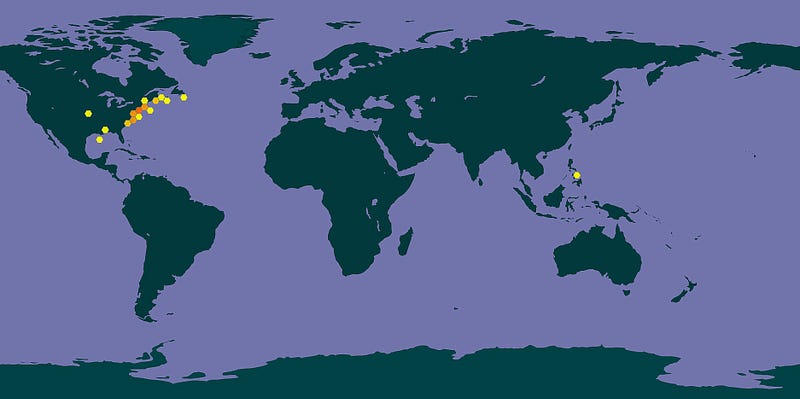
The tautog belongs to the wrasse family, Labridae, a group more often associated with tropical reefs than with the chill Atlantic swells. Its scientific name, Tautoga onitis, is the sole representative of its genus, marking it as a singular figure in the temperate waters it inhabits. Known by several common names — blackfish, chub, and oysterfish — it is celebrated in fishing circles along the Eastern Seaboard from Nova Scotia to South Carolina. Unlike many commercially targeted fish, the tautog has no recognized subspecies, a fact that has placed its conservation entirely in the hands of regional management rather than broader genetic diversity.
Biology
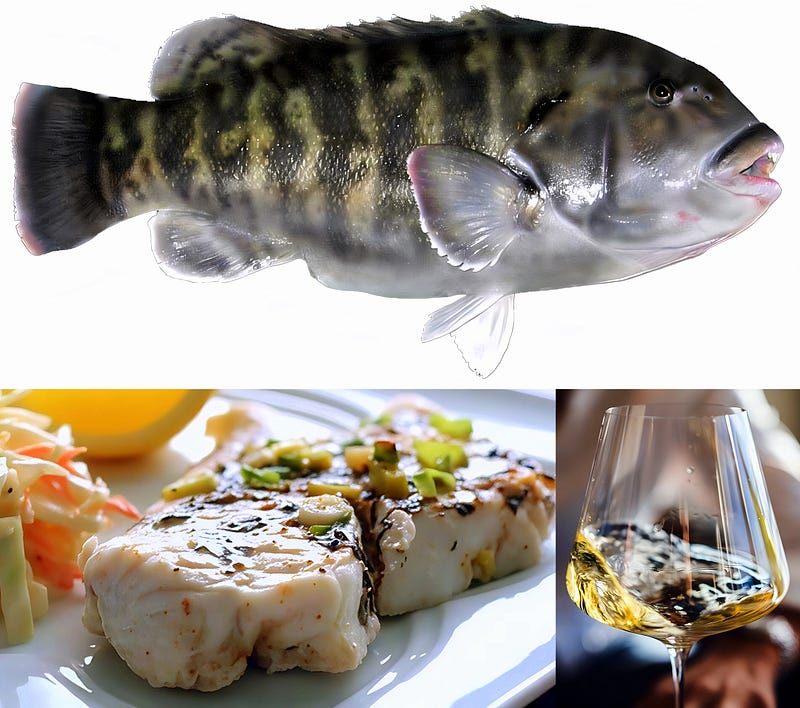
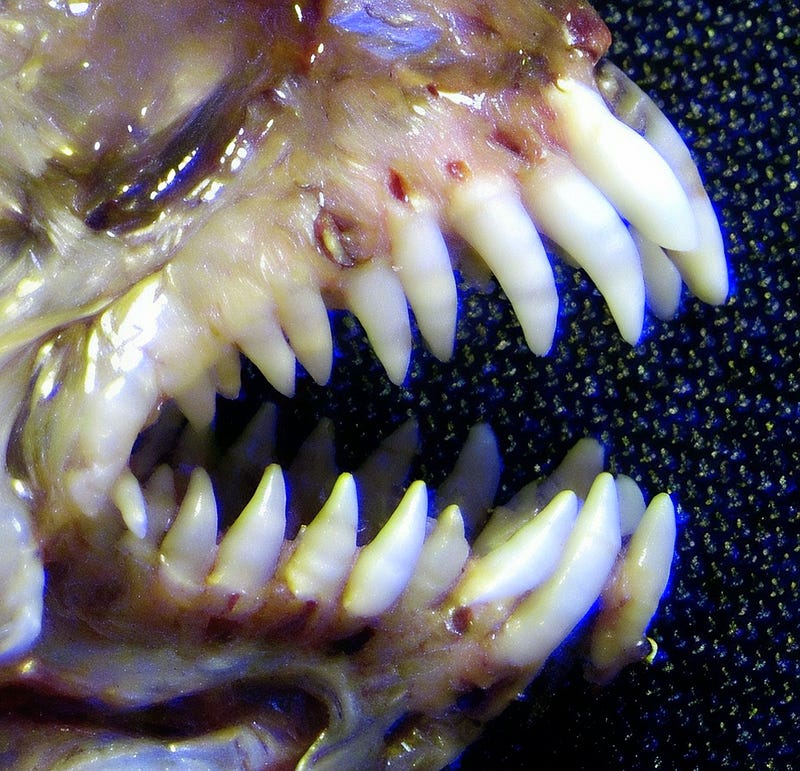
Built for a life among rocks, the tautog has a stout, torpedo-shaped body cloaked in mottled greens, browns, and blacks, blending seamlessly with its environment. Adult tautog average between 14 in (35.6 cm) and 20 in (50.8 cm), though old warriors have been known to exceed 25 in (63.5 cm) and weigh more than 15 lb (6.8 kg). Their most distinctive feature is their teeth — robust, human-like incisors at the front for nipping mollusks, and powerful crushing plates in the throat for grinding shells. Tautog mature slowly, often taking four to six years to reach reproductive age, and can live beyond 30 years, a lifespan that demands careful fishing limits to prevent overharvest.
Ecology
From Cape Cod’s boulder fields to the submerged reefs of the Chesapeake, tautog thrive in habitats where structure is plentiful. They are non-migratory homebodies, rarely straying far from a chosen reef, pier, or wreck. Their diet is almost entirely benthic — barnacles, crabs, mussels, and clams — making them vital players in controlling invertebrate populations and maintaining reef balance. Because they spawn inshore during late spring and early summer, when water temperatures reach around 50°F (10°C), they are highly sensitive to habitat degradation and overfishing during this period. Seasonal closures and slot limits in many states aim to preserve both breeding populations and the fishery’s future.
Uses
While tautog are not a large-scale commercial target compared to cod or flounder, they command high prices in niche markets, particularly for live fish in Asian seafood restaurants where freshness is paramount. Recreational fishing pressure is significant; their reputation as one of the hardest-fighting inshore fish makes them a favorite among dedicated anglers. The economic value lies in both tourism-driven sport fishing and the specialty restaurant trade. Sustainability challenges remain due to slow growth rates and high site fidelity, but localized management has shown promise when regulations are strictly enforced.
Culinary Aspects
In the kitchen, tautog is often compared to red snapper for its mild flavor and delicate, white, flaky meat. Its diet of shellfish imparts a subtle sweetness, making it well-suited for preparations that highlight freshness rather than mask it. Pan-searing fillets in butter and herbs preserves their moistness, while steaming with ginger and scallions brings out their clean ocean profile. Tautog chowder, a coastal New England favorite, pairs diced fish with potatoes, onions, and cream for a hearty yet refined dish. A 6 oz (170 g) fillet delivers lean protein, omega-3 fatty acids, and trace minerals without excessive fat, making it as health-conscious as it is flavorful.
Wine Pairings
A tautog’s mild sweetness and tender texture pair best with wines that complement without overwhelming. A crisp Sauvignon Blanc from the Loire Valley brings bright acidity to counter butter-based preparations. For steamed or poached tautog, a dry Riesling offers delicate floral notes that mirror the fish’s subtlety. Grilled preparations, especially those with herbs, find an ideal match in a lightly oaked Chardonnay, where restrained richness echoes the tautog’s clean flavor without muting its maritime freshness.
Conclusion
The tautog is more than an angler’s challenge or a chef’s quiet delight — it is a living thread in the fabric of Atlantic coastal life. Its survival depends not on luck but on deliberate stewardship, a shared recognition that patience in the water yields richness on the plate. In respecting the tautog’s slow rhythm, we honor both the tradition of the fishery and the ecosystems that cradle it. Whether encountered at the end of a fishing line or on a linen-covered table, the tautog invites us to savor not just a meal, but the enduring story of a fish bound to the rocks and the tides.