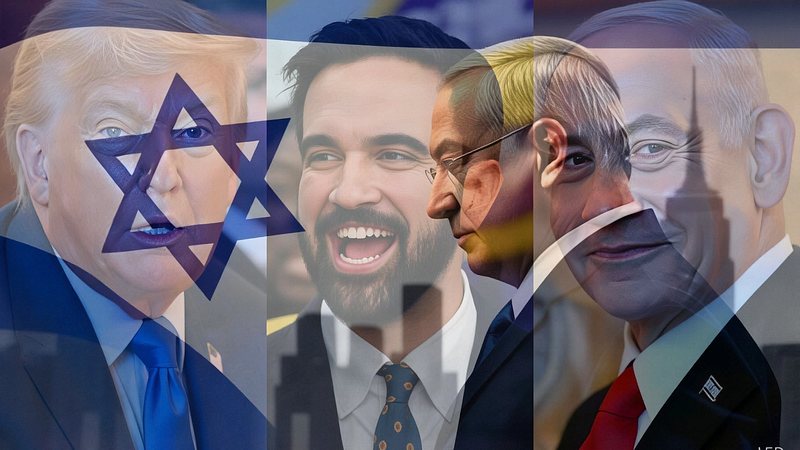
Benjamin Netanyahu: The Ideological Architecture — A Synthesis of History, Security, and Survival
Benjamin Netanyahu’s intellectual contributions and personal beliefs are deeply interwoven with his political career, familial influences…
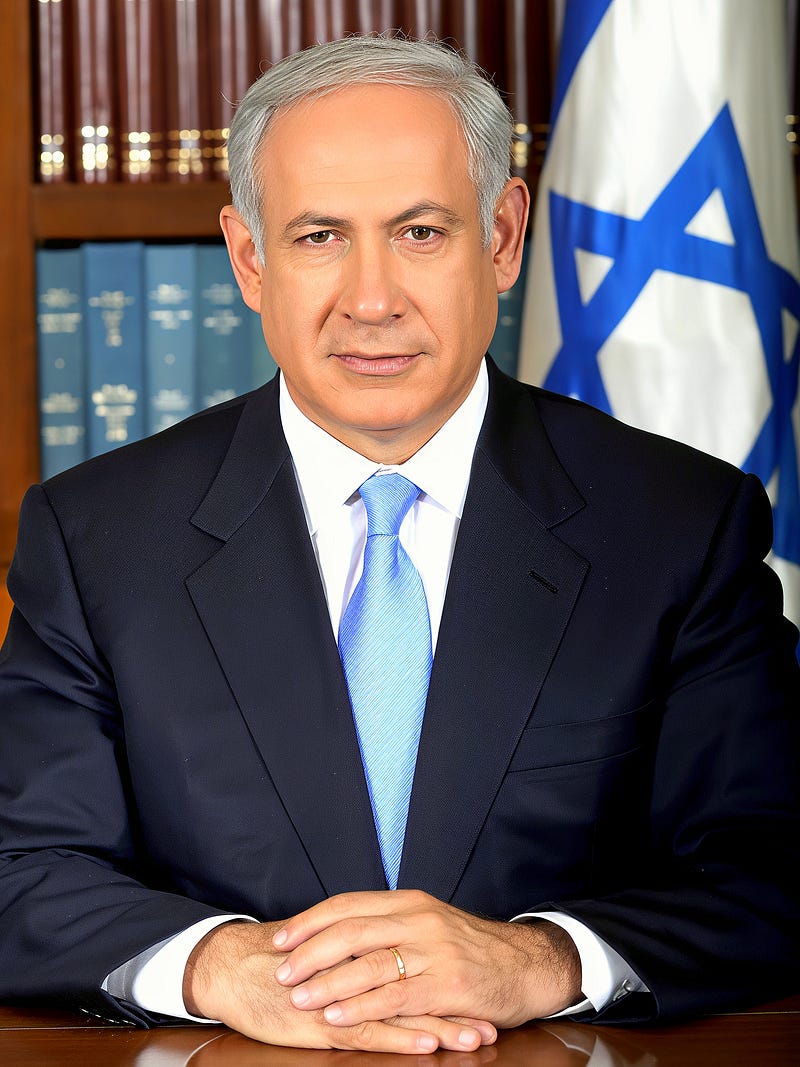
Benjamin Netanyahu’s intellectual contributions and personal beliefs are deeply interwoven with his political career, familial influences, and a distinct worldview shaped by historical narratives and security paradigms. His perspectives are not merely products of political expediency but are rooted in a coherent, albeit controversial, philosophical framework that emphasizes Jewish survival, territorial integrity, and skepticism toward compromise.
Writings
Netanyahu’s literary works serve as foundational texts for understanding his ideology. His book A Place Among the Nations (1993) articulates a vision of Jewish historical legitimacy and resilience, arguing that Israel’s existence is perpetually threatened by external forces, particularly anti-Semitism and geopolitical hostility. In Fighting Terrorism (1995), he explores counterterrorism strategies, emphasizing the importance of overwhelming force and psychological deterrence. These writings reflect his belief that terrorism thrives on perceived weakness and must be met with unyielding military and ideological resistance. His memoir, Bibi: My Story (2022), further contextualizes his life experiences within his political journey, portraying himself as a steadfast defender of Israel against existential threats.
Arguments
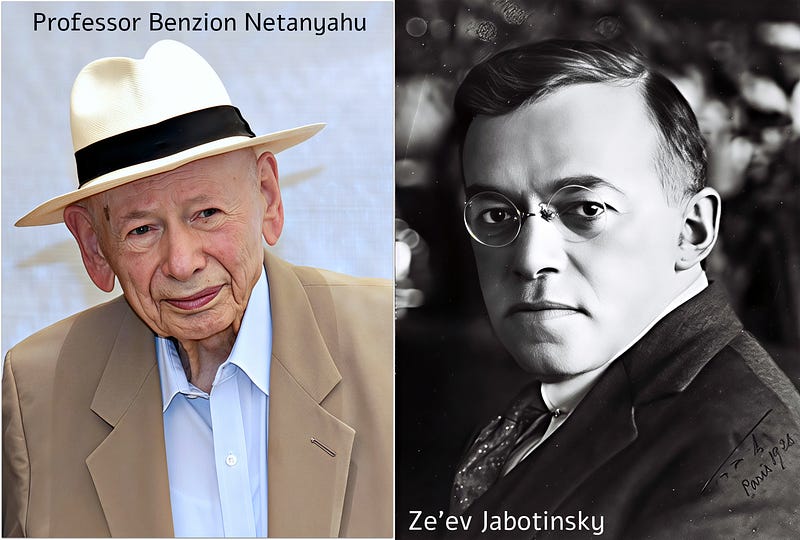
Central to Netanyahu’s arguments is the notion that Jewish history is a continuum of persecution and survival. He frequently cites the Spanish Inquisition, the Holocaust, and contemporary anti-Zionism as manifestations of the same enduring hatred. This perspective, heavily influenced by his father Benzion Netanyahu’s historical work, posits that Jews can only secure their future through sovereign strength and territorial control. Netanyahu’s rejection of territorial compromises with Palestinians stems from his conviction that concessions are interpreted as weaknesses, inviting further aggression. His advocacy for the “Iron Wall” doctrine — a concept pioneered by Revisionist Zionist leader Ze’ev Jabotinsky — asserts that peace can only be achieved once Arab adversaries recognize the futility of destroying Israel.
Psychology
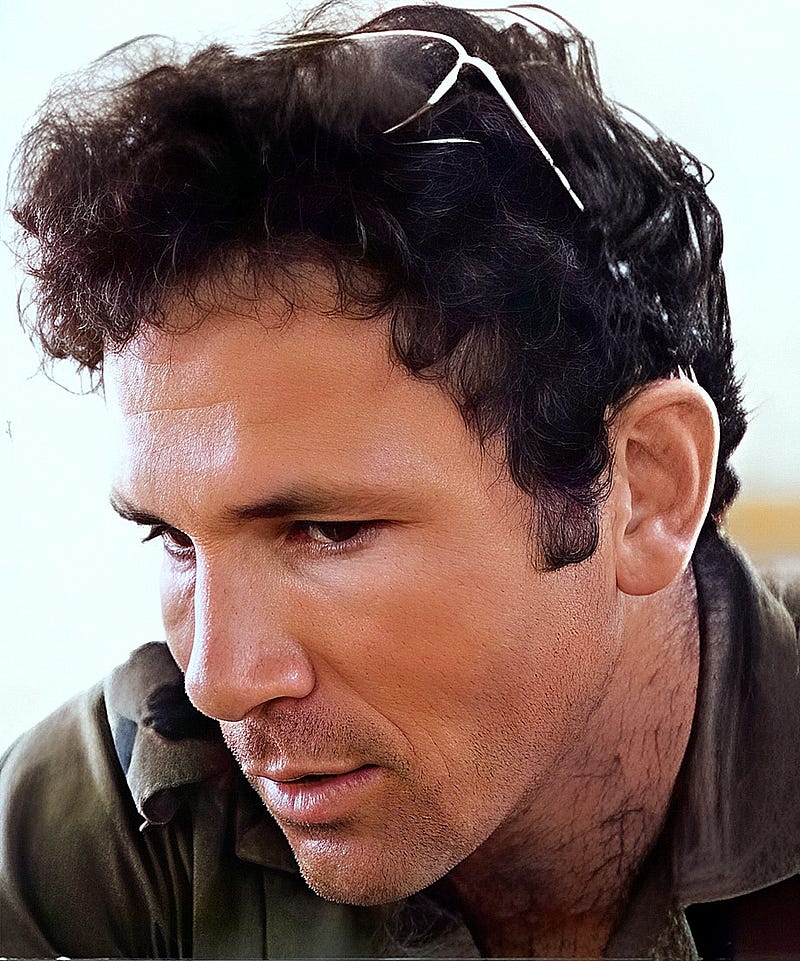
Psychological analyses of Netanyahu often highlight traits shaped by his upbringing and experiences. His father, Benzion, instilled in him a Darwinian worldview where conflict is inherent and altruism is naive. The death of his brother Yonatan during the Entebbe raid further cemented his perception of Arabs as existential threats and reinforced his belief in militaristic solutions. Scholars describe Netanyahu as emotionally detached, authoritative, and driven by a deep-seated distrust of institutions and political rivals. His leadership style combines strategic brilliance with a propensity for confrontation, reflecting a psyche molded by familial expectations, personal loss, and a sense of isolation from Israel’s traditional elites.
Philosophy
Netanyahu’s philosophical outlook is grounded in a form of historical catastrophism, which views Jewish existence as a cycle of crises and resistances. His father’s scholarship on the Spanish Inquisition, which emphasized racial anti-Semitism rather than religious persecution, profoundly shaped this perspective. Netanyahu embraces a Hobbesian vision of international relations, where security is predicated on deterrence and power rather than diplomacy or mutual understanding. This philosophy aligns with the messianic-political ideas of medieval Jewish thinkers like Isaac Abravanel, who argued that redemption for Jews would emerge from divine intervention amid apocalyptic struggles, not human compromises.
Political Ideas
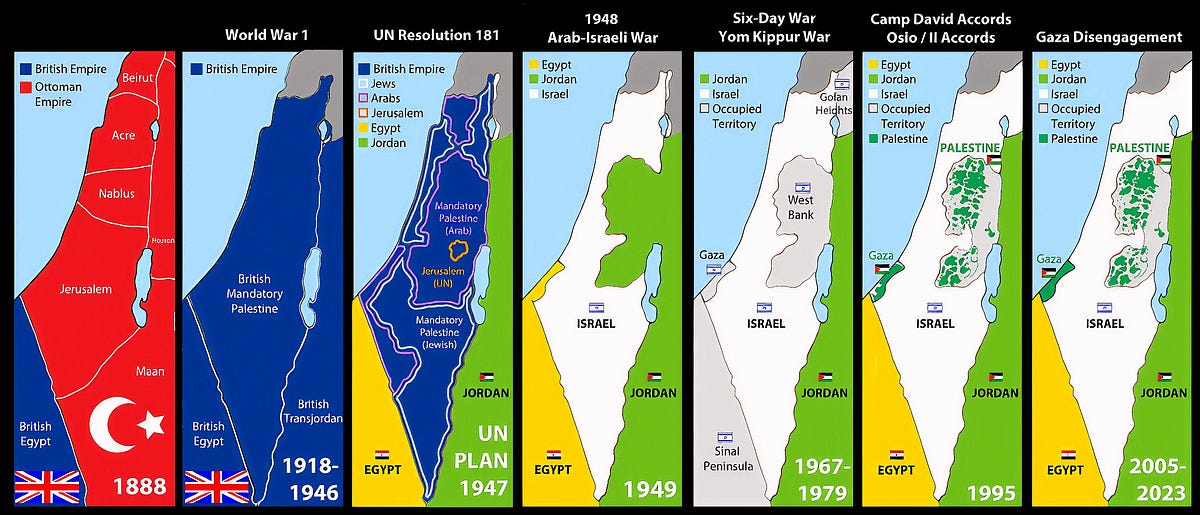
Politically, Netanyahu is a standard-bearer of Revisionist Zionism, which advocates for Jewish sovereignty over the entirety of historical Palestine and rejects territorial partition. His tenure as Israel’s longest-serving prime minister has been defined by policies prioritizing settlement expansion, military dominance, and strategic alliances with global powers. He views Iran as the paramount modern threat, likening its nuclear ambitions to the existential dangers faced by Jews throughout history. His skepticism toward international organizations like the UN and the ICC stems from his belief that they are inherently biased against Israel. Netanyahu’s political strategy often involves leveraging regional conflicts to consolidate domestic power, as seen in his reliance on far-right coalitions and his manipulation of security crises to delay legal proceedings and maintain influence.
Beliefs
At the core of Netanyahu’s beliefs is an unwavering commitment to Jewish self-determination and security. He perceives Israel as a bulwark against global anti-Semitism and argues that its strength is synonymous with Jewish survival. His values are characterized by a blend of nationalism, conservatism, and pragmatism, often prioritizing state interests over international consensus. He dismisses the possibility of a two-state solution not only for ideological reasons but also due to his conviction that Palestinian leadership remains committed to Israel’s destruction. A paradox ultimately shapes Netanyahu’s worldview: he seeks international legitimacy for Israel while simultaneously rejecting external pressure for concessions, believing that only uncompromising strength can guarantee longevity and peace.