Between Exile and Expression: Palestinian Writings, Philosophy, and Faith
The Palestinian intellectual tradition spans literature, scholarship, and activism, profoundly shaped by a history of displacement and…
The Palestinian intellectual tradition spans literature, scholarship, and activism, profoundly shaped by a history of displacement and struggle. Poets like Mahmoud Darwish (1941–2008) gave voice to the exile experience through dozens of poetry collections and memoirs, becoming “perhaps the most lauded contemporary poet in the Arab world” with lyrical evocations of love for a lost homeland. Darwish’s peers, including Fadwa Tuqan (1917–2003), wrote powerful poetry on personal and national loss, reflecting the trauma of war and the aspiration to return to Palestine. Novelists and memoirists have also been central: Ghassan Kanafani (1936–1972), a spokesman for the Popular Front for the Liberation of Palestine, depicted refugee life and resistance in works like Men in the Sun, while Susan Abulhawa (b. 1970) chronicled multigenerational family struggle in Mornings in Jenin. Literary scholars like Edward Said (1935–2003) brought Palestinian perspectives into global academic debates — for example, Said’s landmark Orientalism argued that Western scholarship distorted Arab history and spawned postcolonial studies. Other writers combined activism and storytelling: Suad Amiry documented daily life under occupation in Sharon and My Mother-in-Law, and historians like Rashid Khalidi have recounted Palestinian history from an anti-colonial viewpoint (for example, Khalidi’s The Hundred Years’ War on Palestine casts the period since 1917 as a century of settler colonial conflict). These works and others weave together memoir, fiction, poetry, and criticism to preserve Palestinian history and identity, exploring themes of exile, loss, resistance, and the search for justice.
Central Arguments and Theories
Palestinian thinkers have advanced key arguments about colonialism, identity, and resistance. Edward Said famously argued that much Western scholarship about “the Orient” was steeped in bias, coining the term Orientalism to describe how knowledge about the Arab world was distorted by power structures. In Palestinian discourse, themes of liberation and justice recur: many intellectuals insist on Palestinians’ right to self-determination and highlight the ongoing effects of occupation. Literary critic Ghassan Kanafani used his fiction to argue for steadfast resistance, portraying Palestinian refugees as enduring figures whose narratives challenge exile and dispossession. Contemporary voices like Ghada Karmi have taken specific stances on political solutions, powerfully arguing that a democratic one-state solution is the only just resolution for Israelis and Palestinians alike. Internal debates have also been shaped by ideological divisions: Fatah introduced the idea that Palestinians must lead their own national movement, separate from pan-Arab patronage, and that armed struggle was initially necessary for liberation. Leftist groups embraced Marxist frameworks — for example, the Popular Front for the Liberation of Palestine (PFLP) explicitly drew on global Marxist ideas in its platform — while Islamist thinkers in Hamas framed the struggle in religious terms. In sum, Palestinian arguments blend anti-colonial theory, nationalist fervor, and concepts like sumud (steadfastness) to articulate how identity and survival persist under displacement and oppression.
Psychological Perspectives
The psychology of Palestinians is deeply influenced by collective trauma and memory. Scholars note that “the Palestinian psyche has been shaped by repeated cycles of mass displacement since 1948,” resulting in transgenerational trauma. The foundational trauma for Palestinians is often identified as the Nakba (the 1948 catastrophe of displacement), which continues to echo through generations. Personal and communal narratives — in poetry, literature, and oral history — help process these losses. Psychological research from Gaza and the West Bank consistently finds very high rates of depression, anxiety, and post-traumatic stress, reflecting the chronic warfare, sieges, and insecurity under which people live. Mental health experts emphasize that unrelenting conflict can reinforce feelings of helplessness and grief. At the same time, the concept of sumud also has a psychological dimension: it embodies a mindset of endurance and agency, a refusal to abandon one’s land and memory even under extreme stress. In practice, psychologists and activists have highlighted the need for collective coping mechanisms, community solidarity, and intergenerational storytelling to help Palestinians heal and maintain hope amid ongoing conflict.
Philosophical Ideas and Principles
Palestinian philosophical thought often revolves around questions of identity, justice, and place. A central theme is the value of sumud, a notion of steadfastness rooted in daily life on the land. As one scholar notes, sumud became both a cultural value and a political strategy after 1967, symbolizing Palestinians’ determination “to stay put on their land, refusing to leave” despite occupation. Researchers distinguish “static sumud” (simply maintaining presence on the land) and “resistance sumud” (actively building institutions and grassroots resilience against occupation). This embodied philosophy — akin to a form of stoicism — is reflected in Palestinian art and poetry as the image of the olive tree or the peasant mother enduring hardship. Beyond sumud, Palestinian thinkers have engaged with broader philosophical traditions: they have combined postcolonial theory (as Said did) with discussions of existentialism in literature and with theological ethics. For example, many intellectuals stress moral principles like justice and human rights, often linking them to Islamic and humanist ethics. Overall, Palestinian thought tends to blend practical devotion to homeland and community with universal themes of dignity and resistance, forming a worldview in which perseverance, collective memory, and accountability to future generations are core guiding ideas.
Political Views and Ideologies
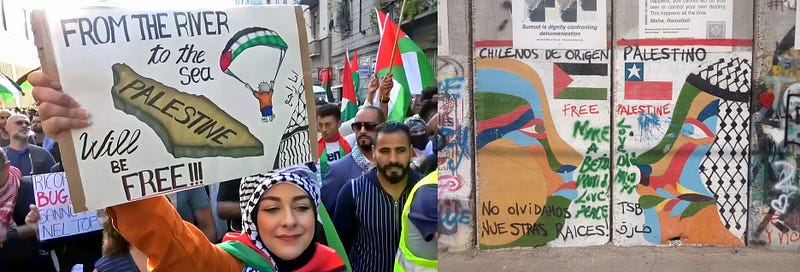
Palestinian political thought spans a spectrum from secular nationalism to Islamist ideology, but with common goals of self-determination and liberation. Palestinian nationalism itself is centered on the right to an independent state and the return of refugees, rooted in the shared historical experience of dispossession. In practice, the Palestinian Liberation Organization (PLO) became the umbrella for various factions. Fatah, the leading faction, originally combined Arab nationalist and socialist rhetoric, emphasizing armed struggle as the means to reclaim Palestine. Over time, Fatah shifted toward diplomacy and state-building (renouncing violence in the 1990s). The Palestinian left — including groups like the PFLP (led by George Habash) — infused Marxist ideas into the national movement, arguing for class equality alongside national liberation. Meanwhile, Islamist movements like Hamas framed the conflict as both nationalist and religious: Hamas describes itself as an “Islamic national liberation movement” committed to armed resistance and rejects any permanent alternative to liberating Palestine from river to sea. Today, many Palestinians blend ideologies: support for Palestinian rights crosses secular-religious lines, but debates continue over solutions (one state vs two states) and strategies (resistance vs negotiation). Intellectuals often critique both Israeli policies and internal Palestinian governance, with some calling for more democratic or progressive reforms. In all cases, Palestinians’ political ideas are anchored in the belief that dignity, equality, and freedom are inseparable from justice for their historical grievances.
Core Beliefs and Values
Palestinian beliefs are shaped by a mix of religion, culture, and attachment to land. Most Palestinians are Sunni Muslims (with a significant Christian minority), and Islamic teachings often inform daily life and social norms. Common cultural values include hospitality, loyalty, honor, and respect for elders. Family and community bonds are very strong, as families provide vital support amid economic hardship and occupation. Generations of occupation have also instilled resilience as a key trait. At the same time, Palestinians share a profound spiritual connection to their homeland: the land of Palestine (from the Jordan River to the Mediterranean) is held sacred by Muslims and Christians alike, sometimes called the “Holy Land”.
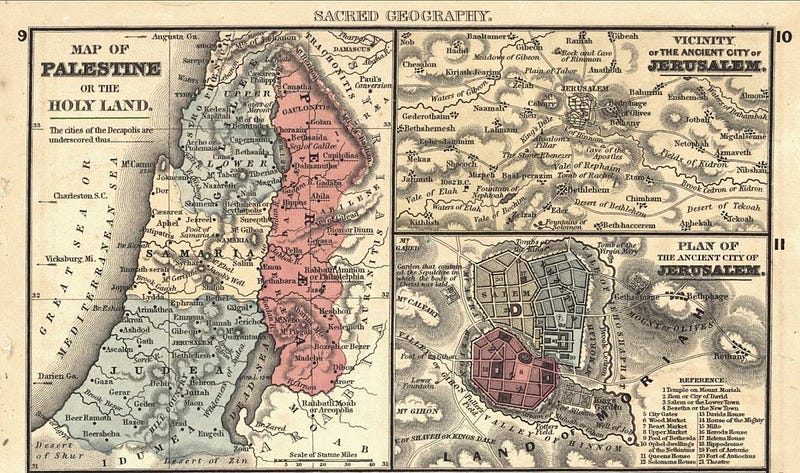
This belief in the sanctity of the land underpins the idea that returning to or remaining in Palestine is not only a right but a deep value. Liberation theology and human rights rhetoric also influence beliefs, with many Palestinians viewing their cause in moral terms of justice and human dignity. In daily life and collective memory, festivals, food, and folklore celebrate identity; national symbols like the olive tree, the key (symbol of return), and traditional dress carry emotional weight. Overall, Palestinians’ core values revolve around solidarity, perseverance, and the conviction that their history and identity deserve acknowledgment — no matter the diaspora, these beliefs continue to give meaning and purpose to Palestinian life.