Black Cumin’s Legacy: The Enduring Power of Nigella sativa
Introduction
Introduction
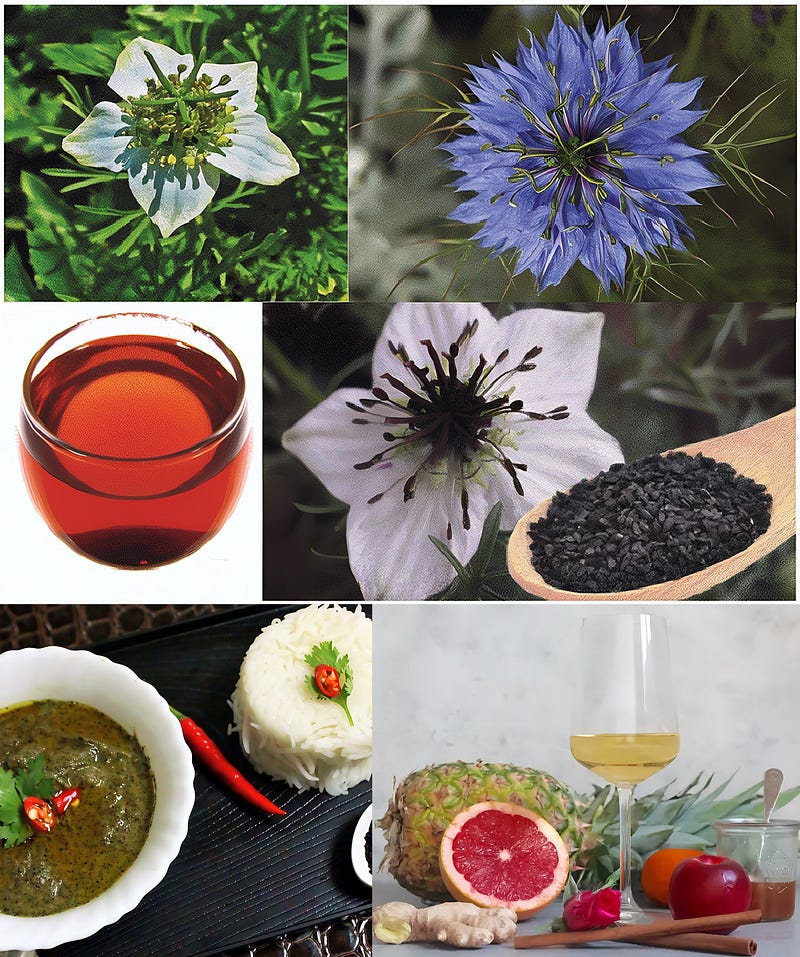
In the dusty trade routes of antiquity, merchants carried with them small, jet-black seeds whose reputation exceeded their size. These seeds, known as Nigella sativa or more poetically as black cumin, were revered not only as a spice but also as medicine, offering a bridge between culinary art and healing practice. From the pharaohs of Egypt to modern kitchens, Nigella has endured as both remedy and flavor, its complex cultural and ecological role continuing to inspire fascination today.
Taxonomy
Nigella belongs to the Ranunculaceae family, a group more often associated with ornamental flowers like buttercups than edible seeds. The species Nigella sativa is its most celebrated member, known globally as black cumin, kalonji, or simply nigella. Its close relatives include Nigella damascena, sometimes called “Love-in-a-Mist,” prized for its decorative blooms rather than consumption. Nigella sativa remains the primary edible and medicinal species, cultivated for centuries across Asia, the Middle East, and parts of Europe.
Biology
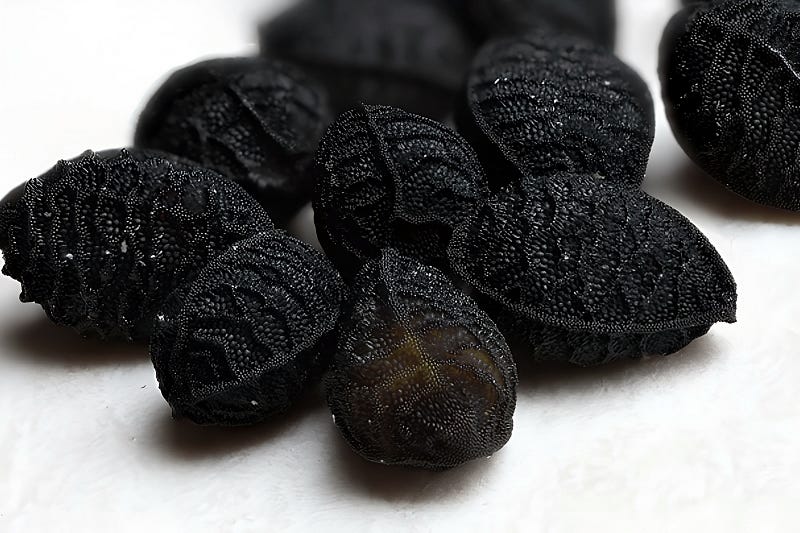
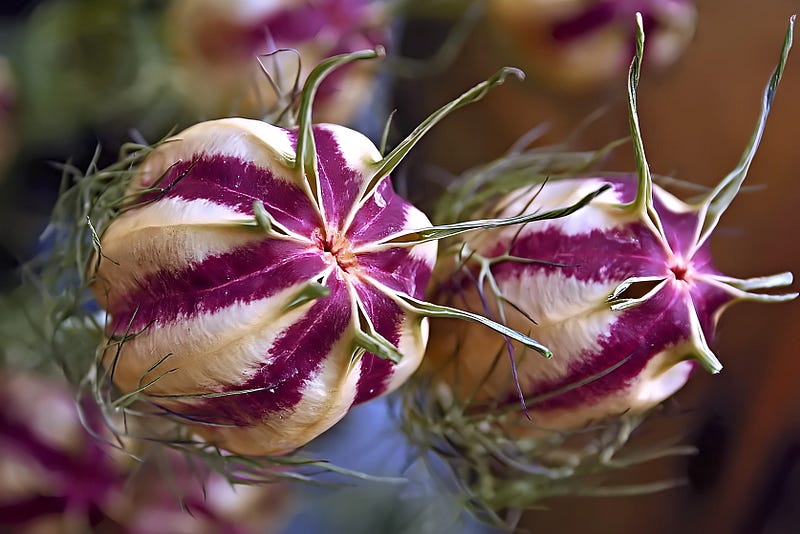
This annual flowering plant reaches about 20–30 cm in height, or roughly 8–12 in, bearing finely divided, threadlike leaves and delicate pale blue to white flowers. The plant produces inflated capsules filled with angular black seeds that hold its culinary and medicinal value. Adapted to arid and semi-arid climates, Nigella thrives in well-drained soils and can withstand conditions that would challenge more delicate crops. Its short life cycle allows farmers to integrate it into crop rotations without heavy strain on resources.
Ecology
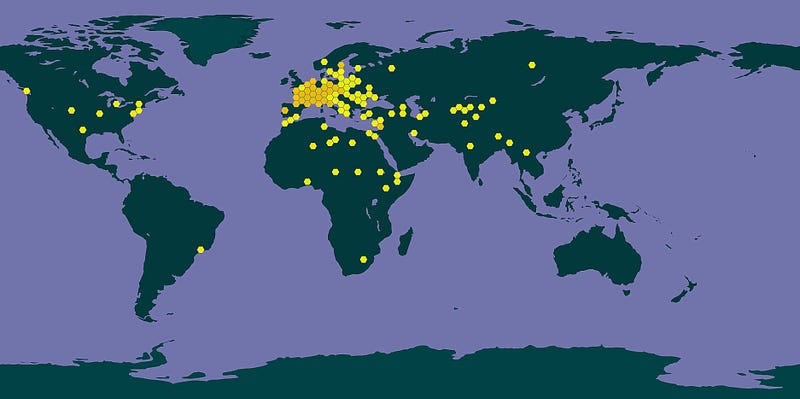
Nigella sativa is native to regions stretching from the eastern Mediterranean to South Asia, flourishing in dry fields and light soils where few other herbs compete. As a resilient crop, it requires minimal irrigation, making it a sustainable choice for regions prone to water scarcity. Its flowers also provide nectar for pollinators, contributing to the broader ecological web. Today, cultivation extends from India and Bangladesh to Egypt, Turkey, and even parts of Europe, underscoring its global adaptability.
Uses
Economically, Nigella occupies a unique niche at the crossroads of herbal medicine and spice trade. Its seeds are rich in thymoquinone, a compound studied for anti-inflammatory and antioxidant properties. Traditional medicine has long prescribed it for ailments ranging from respiratory issues to digestive discomfort. In markets, Nigella holds enduring demand, with both culinary and pharmaceutical industries relying on it. Sustainable cultivation practices — such as low water input and intercropping — make it an environmentally responsible crop with economic promise for small farmers.
Culinary Aspects
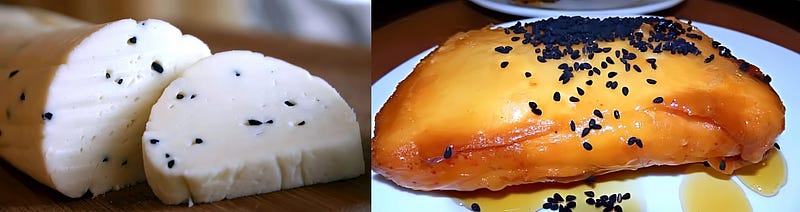
On the tongue, Nigella seeds deliver an intriguing blend of flavors — peppery, nutty, slightly bitter, with hints reminiscent of onion and oregano. Roasted or bloomed in hot oil, their aroma deepens, adding earthy complexity to breads, curries, and pickles. In India, Nigella often crowns naan bread, while in the Middle East, it seasons cheeses and pastries. Nutritionally, the seeds contain essential fatty acids, proteins, and minerals, making them a valuable addition beyond flavor. The combination of taste, tradition, and health benefits has secured Nigella a place at both humble dinner tables and haute cuisine.
Wine Pairings
Pairing Nigella with wine requires acknowledging its bold spice character. Dishes featuring Nigella harmonize well with crisp, aromatic whites such as Riesling or Gewürztraminer, whose floral sweetness balances the seed’s pungency. For richer dishes like lamb stews seasoned with Nigella, a medium-bodied red such as Grenache or Syrah offers earthy depth to complement the spice. The interplay between seed and grape creates a layered experience that highlights both culinary and viticultural artistry.
Conclusion
Nigella sativa is more than a seed; it is a story of resilience, culture, and enduring taste. Its role as both medicine and spice reflects humanity’s long pursuit of sustenance and healing through nature’s gifts. As global cuisine continues to blend traditions, Nigella remains a seed of connection — between ancient fields and modern plates, between the poetic and the practical. To taste Nigella is to join a lineage stretching back millennia, a reminder that in the smallest seeds lie the greatest legacies.