Chasing the Filtered Self: Snapchat Dysphoria and the Cosmetic Surgery Boom
Smartphone apps provide endless filters to create a ‘perfect’ selfie, altering how people see themselves.
Smartphone apps provide endless filters to create a ‘perfect’ selfie, altering how people see themselves.
In cosmetic surgery offices, a new request has become common: patients show doctors selfies of themselves that have been enhanced by social media filters — images with impossibly smooth skin, large eyes, and plump lips.
This trend, often dubbed “Snapchat dysphoria” or “selfie dysmorphia,” highlights a growing disconnect between how we appear in filtered images and how we look in real life. Social media filters are reshaping beauty standards and fueling a boom in cosmetic surgery. What does it mean for mental health when the line between our real and virtual selves begins to blur?
What Is Snapchat Dysphoria?
Snapchat dysphoria describes the distress people feel when comparing their real appearance to the perfected images they create with social media filters. In recent years, cosmetic surgeons and psychologists have noted more patients asking to replicate their filtered selfies. Instead of bringing photos of celebrities for inspiration as in the past, many young people now show doctors idealized images of their face — smoother skin, larger eyes, plumper lips—and ask surgeons to achieve that look. While Snapchat dysphoria is not an official diagnosis, it closely mirrors aspects of body dysmorphic disorder (BDD), a mental health condition where a person becomes obsessed with perceived flaws in their looks.
Filters on apps like Snapchat, Instagram, and FaceTune allow instant “beautification” — clearing blemishes, narrowing noses, widening eyes, and sculpting jawlines. These airbrushed selfies present an unattainable ideal — and for some individuals, they become a new beauty standard against which the unedited self is judged. This can create a troubling cycle: the more one uses filters, the more one’s natural appearance may feel inadequate by comparison, triggering anxiety and obsessive fixation on real or imagined flaws.
Psychologists note that this dynamic resembles how BDD works. People with BDD fixate on minor or nonexistent flaws, and no matter how they change their looks — even after multiple surgeries — they remain unhappy. In the context of Snapchat dysphoria, chasing cosmetic procedures to match an altered selfie can worsen insecurity, because the goal is a fantasy.
Filters, Selfies, and Body Image
The ubiquity of filters has changed the way we perceive beauty — including our own. On social media, almost everyone’s photos get subtly enhanced by algorithms — eyes a little brighter, skin a bit smoother — and constant exposure to these polished images can skew our sense of what “normal” looks like. Seeing curated, perfected faces every day can make even minor real-life blemishes feel unacceptable. A seemingly innocent filter, used daily, can quietly erode self-image over time.
This filtered reality doesn’t just stay on the screen — it spills over into real life. Feeling pressure to look as flawless as their online photos, many people start considering cosmetic tweaks at a younger age. A teen might request a nose job after seeing their nose appear “too big” in selfies — not realizing that phone cameras often distort facial features. Others seek lip fillers, eye lifts, or wrinkle-smoothing injections to mirror the app-generated enhancements on their faces. In effect, social media has turned the smartphone camera into a powerful trigger for appearance anxiety and a driver of cosmetic demand.
Cosmetic Surgery in the Age of Social Media
The rise of Instagram, Snapchat, and TikTok has shifted why people pursue cosmetic surgery. Looking “camera-ready” at all times — whether on video calls or in everyday photos — has become a common goal. By the late 2010s, over half of facial plastic surgeons reported that patients wanted procedures specifically to look better in selfies. That demand has only grown. Today, surgeons see a steady flow of clients — from minor tweak-seekers to those desiring major makeovers — driven by the desire to resemble their filtered images.
Popular procedures have changed accordingly. Beyond the classic nose job or eye lift, surgeons now get requests for “facial harmonization” — tweaks to make the face more symmetric and photo-friendly. Lip fillers, sculpted cheekbones, and laser-smooth skin have all surged among millennials and Gen Z. Younger patients often view cosmetic work as routine self-improvement rather than vanity.
When Cosmetic Dreams Become Nightmares
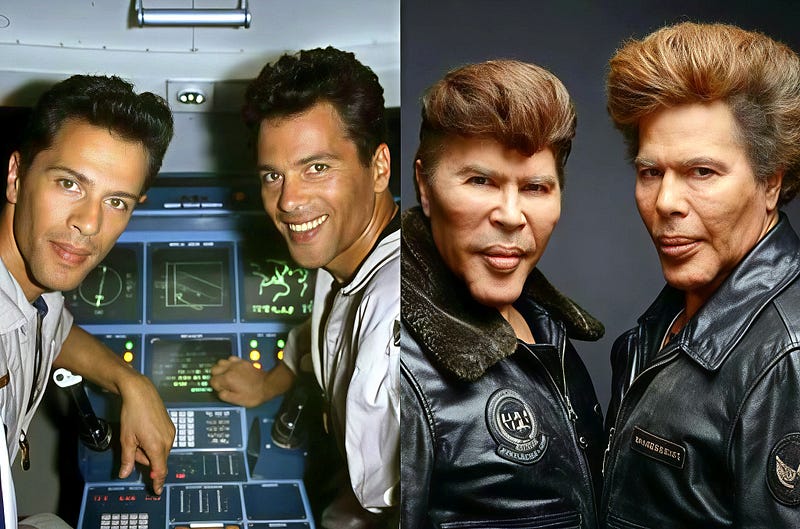
Not everyone who chases the filtered ideal ends up happier. Several individuals have become infamous for taking plastic surgery to extremes — undergoing dozens of operations in an obsessive quest for perfection. A man dubbed the “Human Ken Doll” reportedly underwent over 100 procedures. A woman chasing a cartoon-like figure had multiple ribs removed to create an extreme hourglass shape. These stories make headlines not as triumphs but as sobering examples of cosmetic obsession spiraling out of control.
Unfortunately, botched surgeries are a real risk when people push physical limits. Multiple operations raise the chance of serious complications — infection, scarring, even disfigurement requiring further surgery. The public’s reaction to extreme cases is often a mix of fascination and ridicule. Images of overfilled lips or unnaturally stretched faces circulate online with cruel commentary. It’s an irony: society pressures people to attain perfection, yet mocks those who visibly “go too far” attempting it.
Mental Health and Identity in the Filtered Age
Snapchat dysphoria also highlights broader mental health challenges in the social media era. As the quest for the perfect selfie intensifies, experts worry about the effects on self-esteem and identity, especially in younger people. When people come to believe they’re only attractive or worthy if they look like their filtered self, their identity can grow fragile. They may view their real face as a perpetual work-in-progress toward an unattainable goal. This constant dissatisfaction can breed anxiety and depression.
Many plastic surgeons and therapists now urge addressing these concerns beyond the cosmetic clinic, often screening patients for BDD or body-image disorders before surgery. If someone seems fixated on flaws or unlikely to be happy after a procedure, a good doctor may suggest counseling instead of surgery. True confidence and a healthy self-image can’t come just from changing the mirror (or the Instagram filter) — it must come from within. As filter-perfect faces and quick fixes become normal, balancing physical enhancements with mental well-being is more critical than ever. A nose job or lip filler might alter the face, but it cannot fill a deeper void in self-worth.
Beyond the Filter: A Call for Awareness
Ultimately, Snapchat dysphoria is a reminder that technology is reshaping our relationship with appearance, so media literacy and mental health awareness are more important than ever. The images flooding our feeds — including our own retouched selfies — often reflect fantasy, not reality. Teaching ourselves and younger people to view these images critically can help reduce the pressure to chase an impossible ideal.
Building a healthy sense of self in the filter age means appreciating our unique qualities beyond looks, and discerning when a desire for change is empowering versus driven by insecurity. As cosmetic treatments become commonplace, we must proceed with caution and compassion — caution not to lose ourselves, and compassion for those struggling with self-image. By prioritizing mental well-being and being honest about the tricks of social media, we can ensure beauty enhancements remain a choice, not a compulsion. In the end, no filter or surgery can substitute for the self-acceptance that comes from embracing ourselves.