Comprehensive Guide to the World’s Finest Caviar
Introduction
Introduction
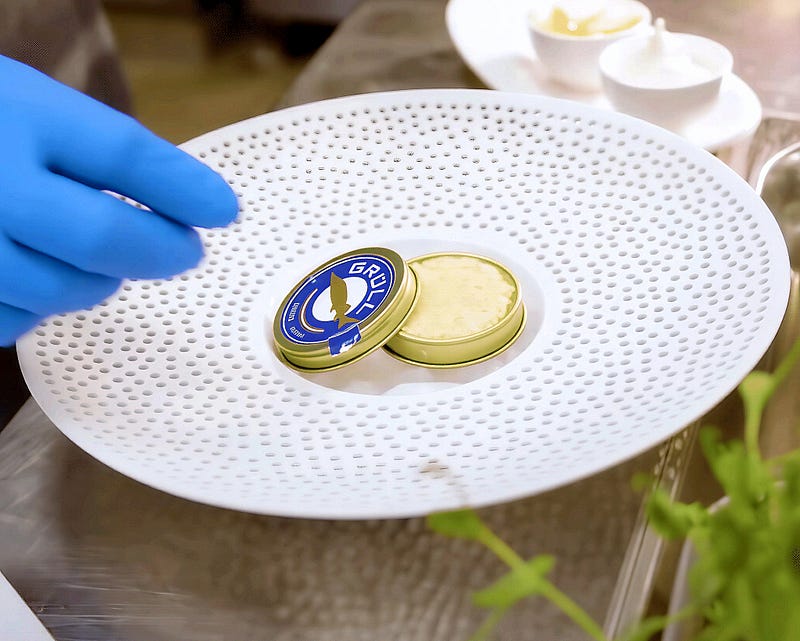
This story provides an informative, structured overview of the world’s finest caviars. It covers the principal types, including Beluga, Osetra, Sevruga, and Kaluga, highlighting their distinguishing characteristics, production methods, and sustainability considerations. This compilation is intended as a reference guide to help enthusiasts, connoisseurs, and culinary professionals alike make informed choices.
Understanding Caviar: An Overview
Caviar, the luxurious delicacy consisting of salt-cured sturgeon eggs, holds a revered status in global gastronomy. Historically synonymous with royalty and affluence, caviar’s desirability comes from its nuanced flavor, texture, rarity, and artisanal processing. Genuine caviar is exclusively derived from sturgeon species, and its quality depends on numerous factors, including species, habitat, maturity, and production techniques.
As one expert described it poetically:
“One does not eat caviar; one listens to it. A spoonful, unadorned, and you’ll hear the sea whisper its secrets on your tongue.”
Classification of Elite Caviar Varieties
1. Beluga Caviar (Huso huso)
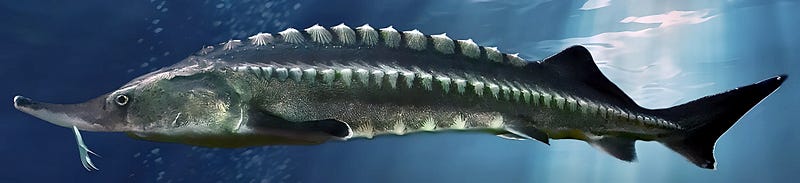
Beluga caviar, widely considered the pinnacle of luxury, originates primarily from the Caspian Sea.
- Characteristics: Large, soft pearls with a rich, creamy, buttery taste.
- Rarity and Price: Extremely rare due to endangered status; prices range from $7,000 to $22,000 per kilogram.
Notable Products:
- Iranian Beluga: Known for its unmatched quality, texture, and flavor purity.
- Almas Caviar: Sourced from rare albino Beluga sturgeon, golden in color, priced around $30,000 per kilogram.

2. Osetra (Oscietra) Caviar (Acipenser gueldenstaedtii)

Osetra offers a highly respected alternative to Beluga, especially prized in sustainably farmed forms.
- Characteristics: Medium-sized eggs with a balanced, nutty, buttery flavor. Colors range from dark brown to golden amber.
- Sustainability: Increasingly farmed sustainably in Israel, Europe, and the U.S., making it ethically appealing.
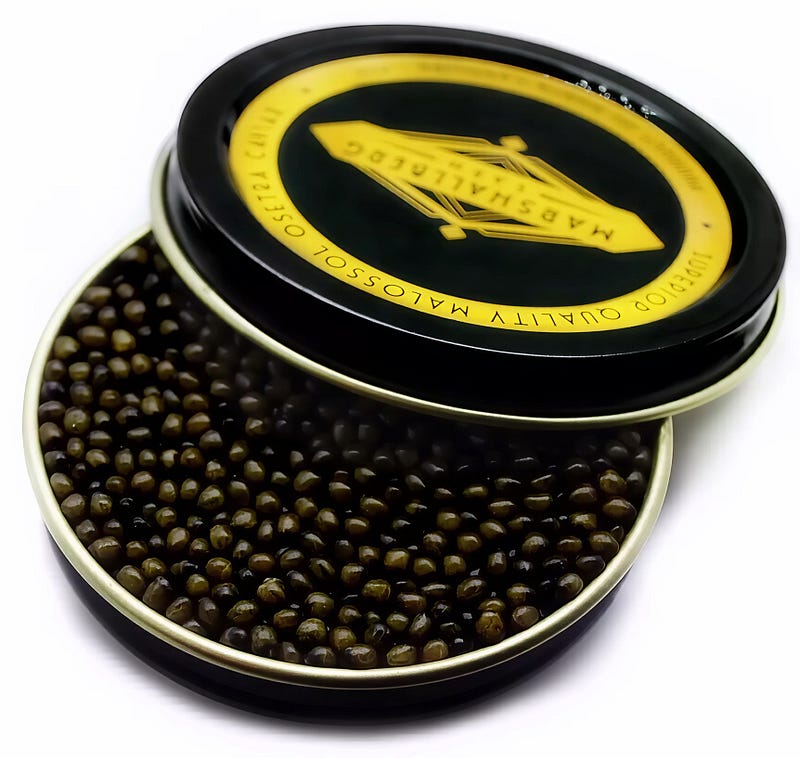
- Notable Brands: Petrossian, Sterling Caviar, Marshallberg Farm.
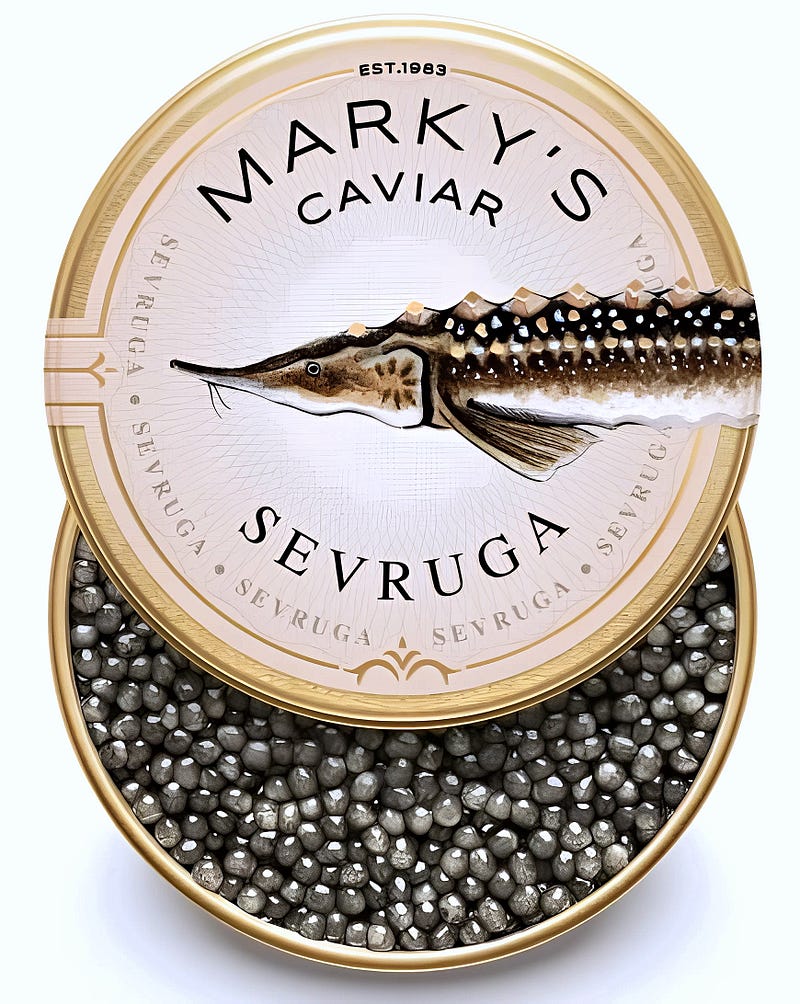
3. Sevruga Caviar (Acipenser stellatus)
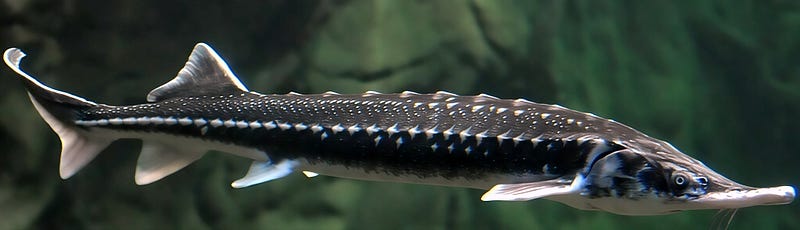
A more affordable yet luxurious option, Sevruga matures faster, facilitating sustainable production.
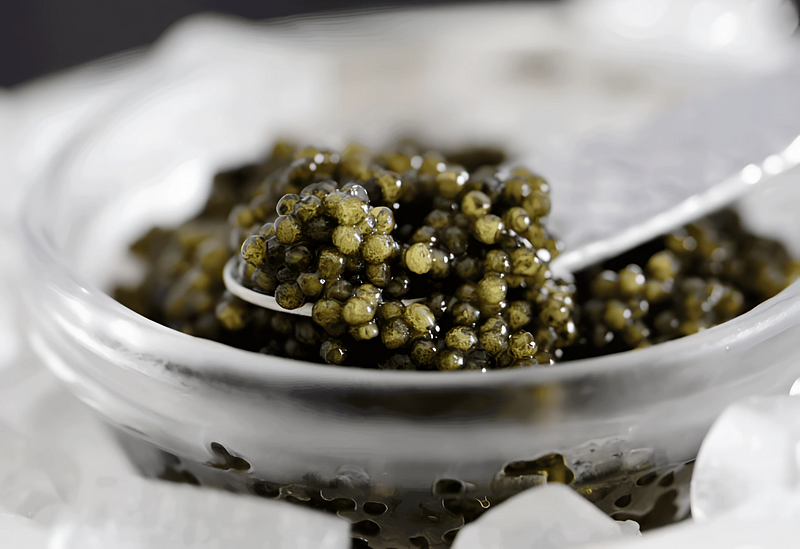
- Characteristics: Small, grey pearls with a pronounced, briny flavor and crisp texture.
- Affordability: Priced lower than Beluga and Osetra, Sevruga is ideal for culinary uses.
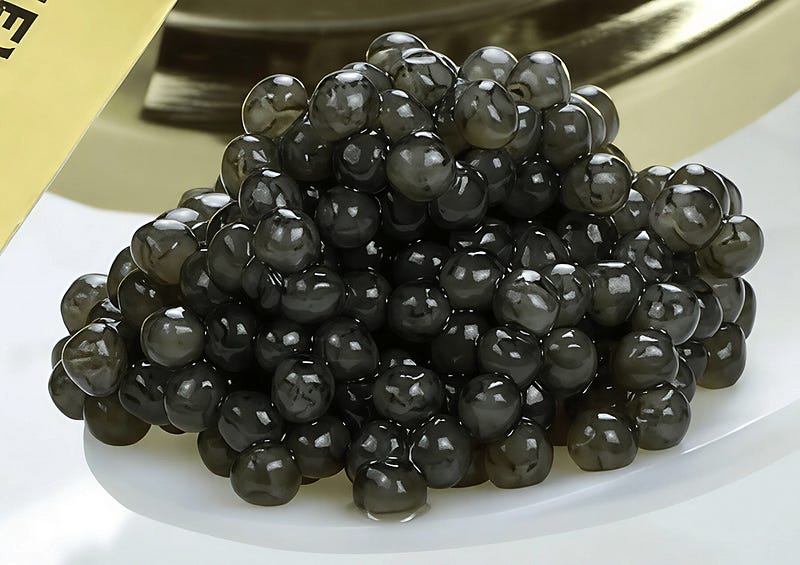
4. Kaluga Caviar (Huso dauricus × Acipenser schrenckii)
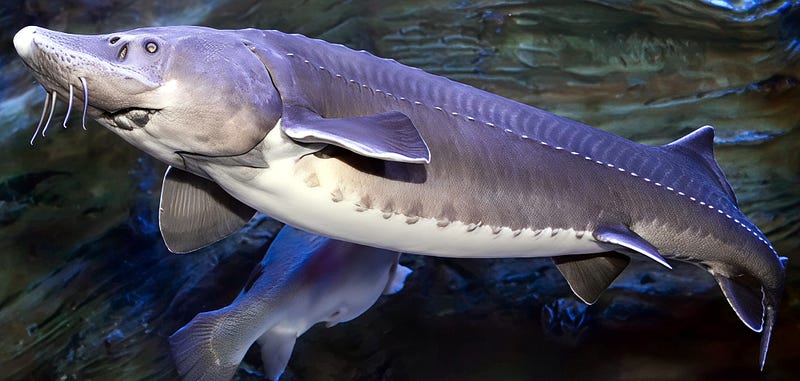
Dubbed “River Beluga,” Kaluga closely resembles Beluga caviar in taste and texture and is highly sustainable.
- Characteristics: Large pearls with a buttery, earthy depth. Often wins blind tastings against traditional Beluga.
- Notable Products: Imperia Kaluga Reserve, Olma Kaluga.
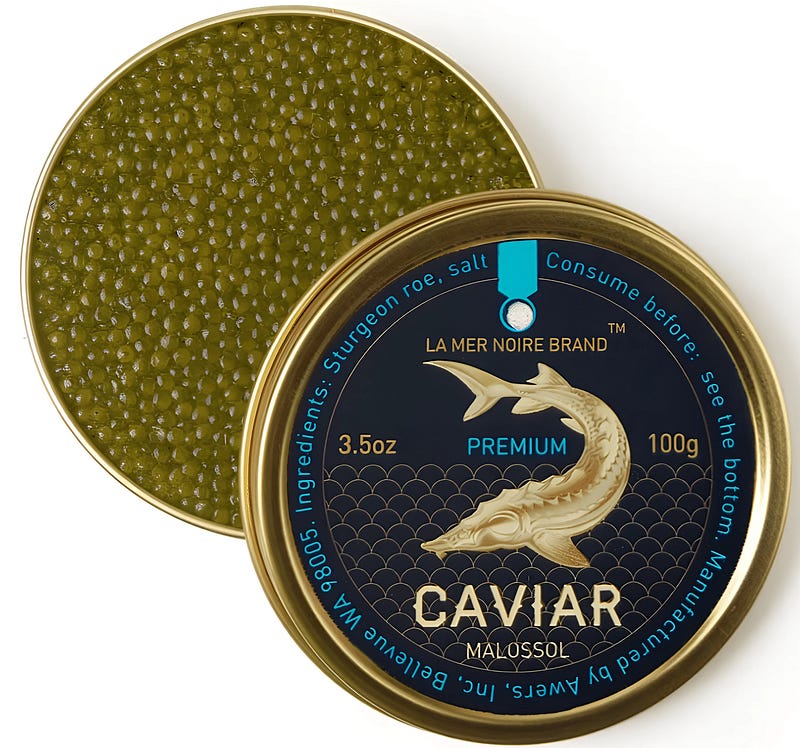
5. White Sturgeon Caviar (Acipenser transmontanus)
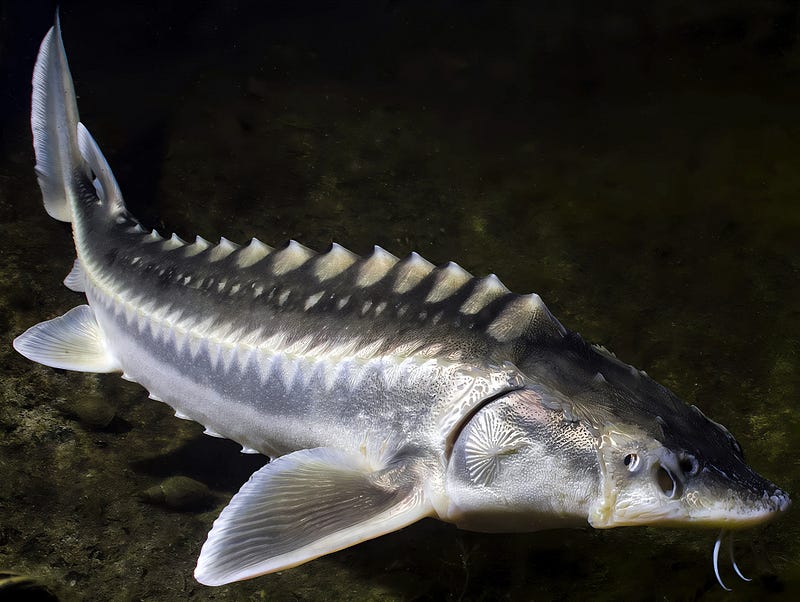
Farmed mainly in the United States, praised for ethical production and distinctive taste.
- Characteristics: Creamy, robust flavor; small and delicate eggs.
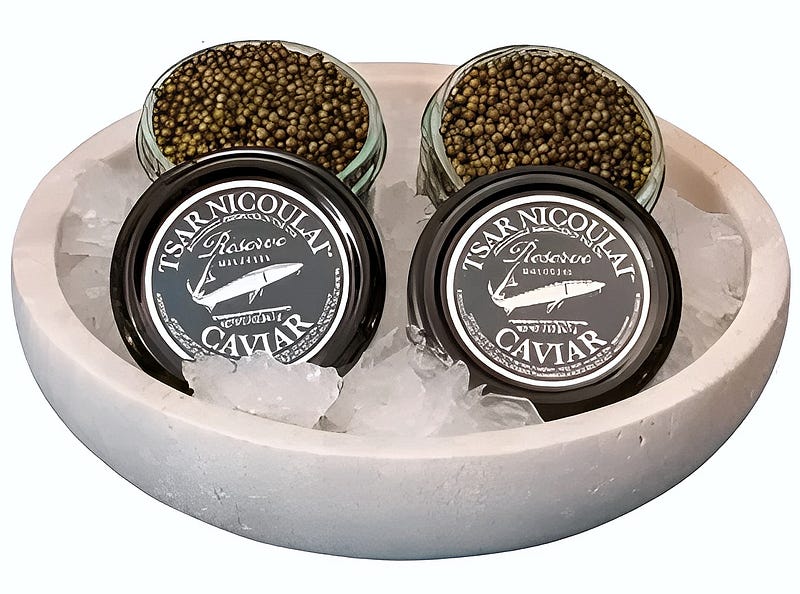
- Leading Producers: Sterling Caviar, Tsar Nicoulai.
Selecting High-Quality Caviar: Key Factors
When purchasing caviar, quality can be assessed through several critical dimensions:
- Species and Origin: Authenticity tied to Caspian Sea origins or reputable aquafarms.

- Egg Size and Texture: Larger eggs usually indicate higher quality, with a characteristic “pop” upon tasting.
- Flavor Profile: Should exhibit a clean balance of saltiness, umami, and nuanced notes from the sturgeon’s environment.
- Production Method: The Malossol (“little salt”) curing method preserves subtle flavors without excessive salinity.
As noted by experts:
“Attempting to bypass or hoodwink Mother Nature is simply not possible. Farm-raised fish for fresh caviar must replicate the sturgeon’s natural ecosphere closely to achieve authentic quality.”
Sustainability and Ethical Production
Due to overfishing and environmental concerns, sustainable aquaculture now dominates caviar production. Ethical practices include:
- Selecting species suitable for farming.
- Maintaining pristine water conditions.
- Implementing humane harvesting methods.
- Using precise, minimal salt curing (Malossol technique).
Brands committed to sustainability include:
- Marshallberg Farm (U.S.)
- Tsar Nicoulai (California)
- Kaluga Queen (China)
Top Caviar Brands and Recommendations
For those seeking excellence and integrity in caviar sourcing, several brands consistently deliver high-quality selections:
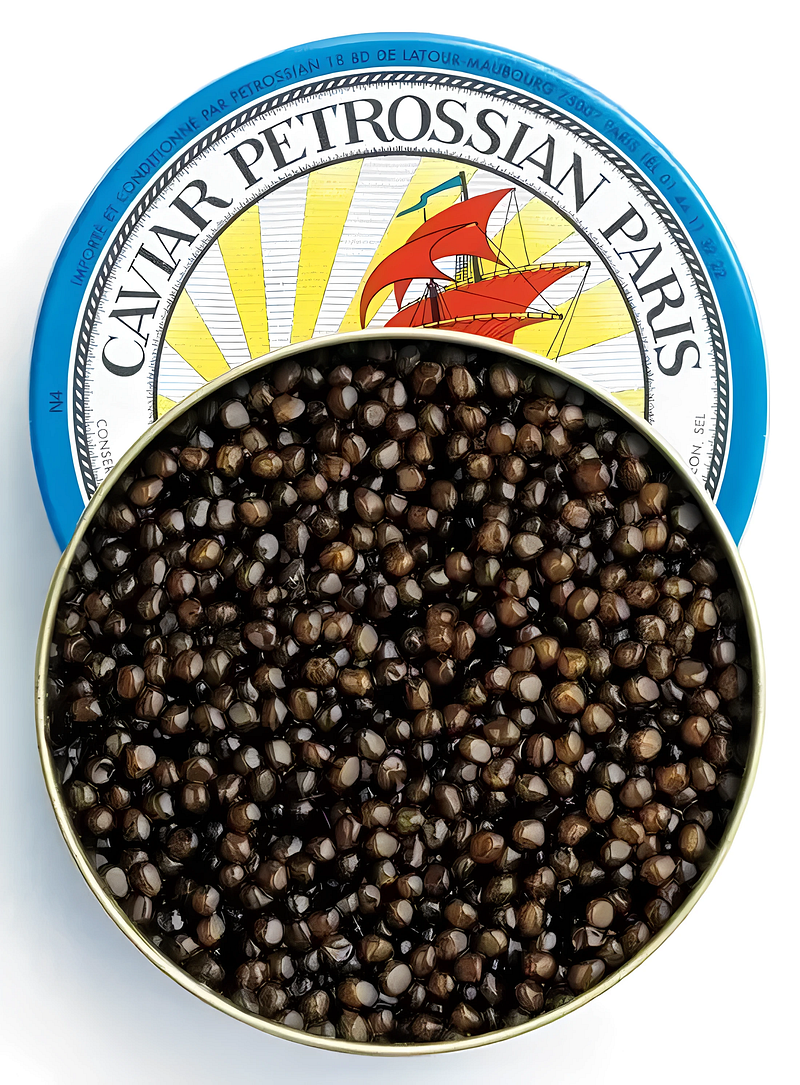
- Petrossian: Renowned French brand with extensive caviar expertise, known for balanced, elegant products.
- Marky’s: Offers luxurious yet affordable Beluga caviar and Sevruga, ideal for culinary applications.
- Imperia Caviar: Provides direct-to-consumer premium quality caviar at accessible prices.
- Browne Trading Company: Delivers unique European selections such as Belgian Ossetra.
Notable Caviar Recommendations by Use:
- Most Versatile: Petrossian Royal Ossetra.
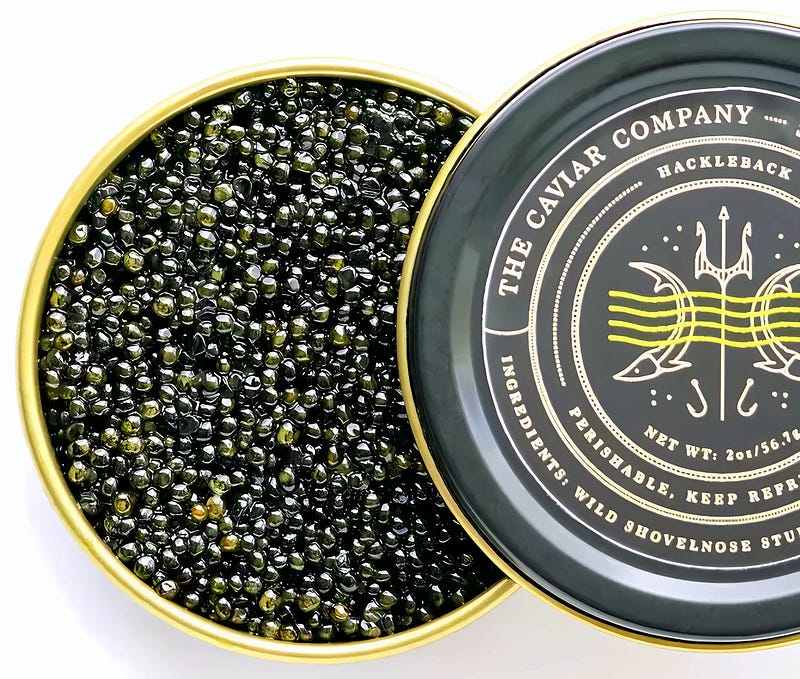
- Best Budget Luxury: Noir Hackleback.
- Best for Culinary Use: Marky’s Sevruga.
- Best Ethical Choice: Marshallberg Farm American Osetra.
Pairings and Serving Suggestions
Proper handling and serving enhance caviar’s sensory enjoyment:
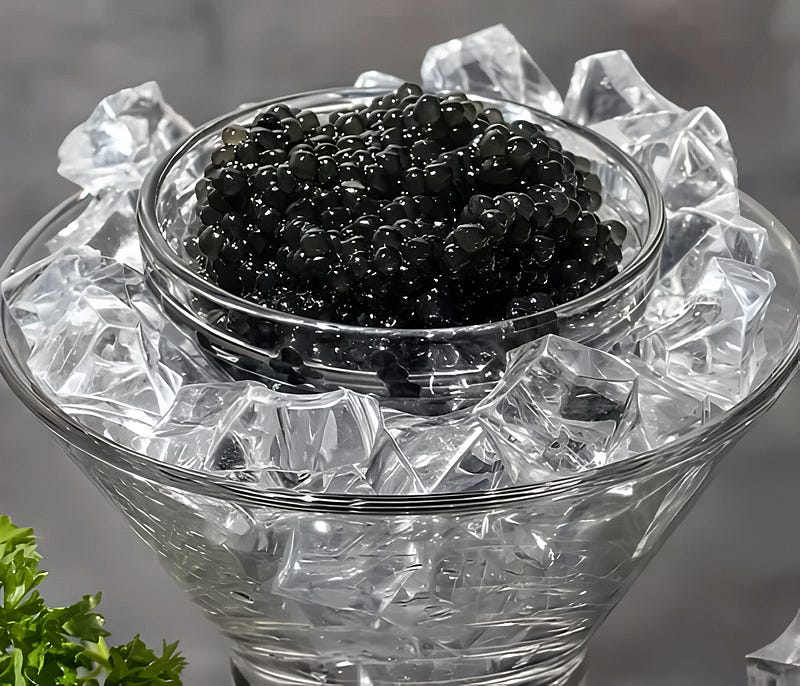
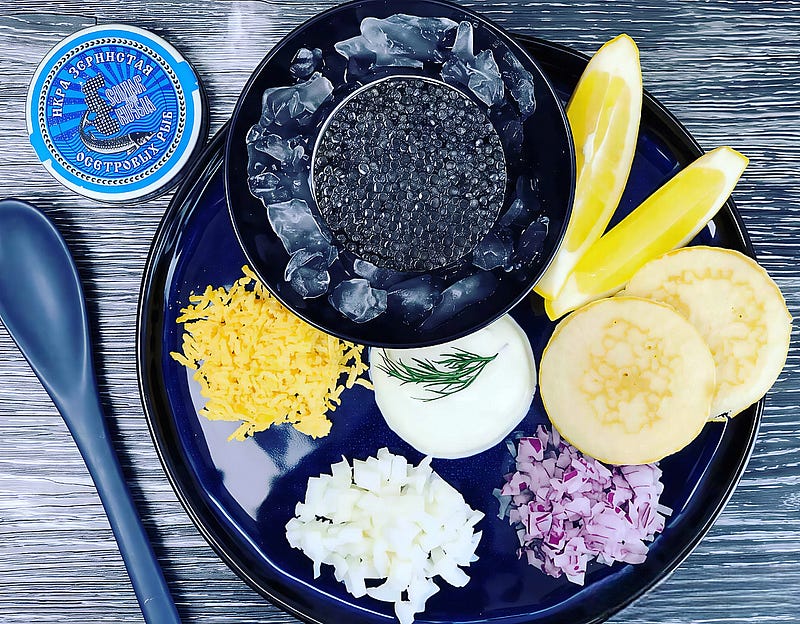
- Serving Temperature: Best chilled, ideally between -2°C to 0°C, served on ice.
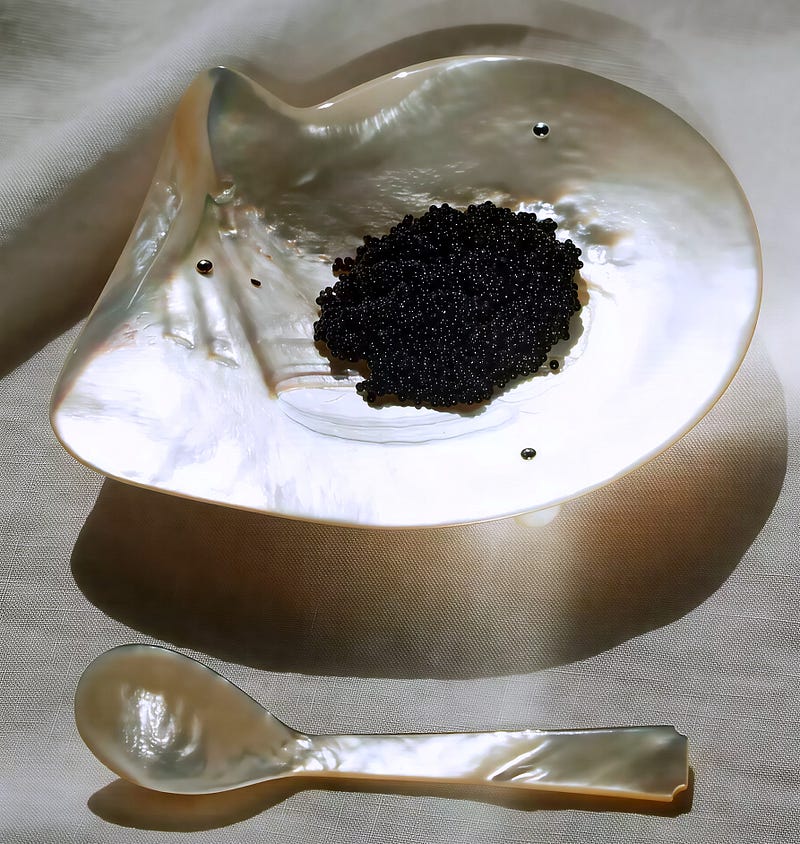
- Serving Utensils: Use mother-of-pearl spoons to avoid altering taste.
- Traditional Accompaniments: Blinis, crème fraîche, finely chopped onions, or hard-boiled eggs.
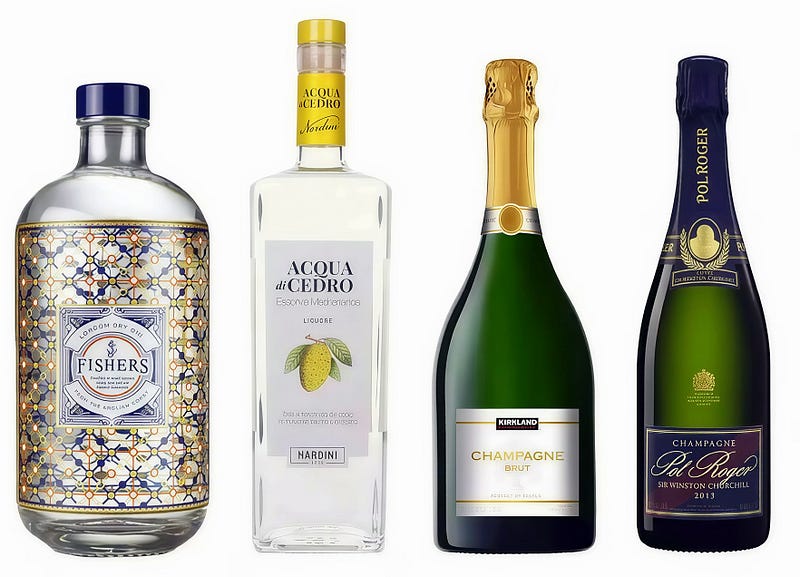
- Beverage Pairing: Beluga pairs exceptionally with champagne; Osetra complements dry white wines.
Critical Insights and Expert Quotes
Reflecting on caviar’s allure, one source beautifully articulated:
“True Iranian or Russian Beluga, legally sourced, is as rare as honesty in a crooked auction house — and priced accordingly.”
In discussing the emerging prominence of sustainable options:
“Purists still bow to Caspian Beluga, traditionalists treasure Osetra’s heritage, and forward‑thinking gourmets embrace Kaluga’s sustainable brilliance.”
Conclusion
The definition of the world’s best caviar evolves as environmental awareness and technological innovations reshape traditional practices. Historically prized varieties such as Beluga maintain their iconic status but face sustainability challenges. In response, farm-raised alternatives, particularly Osetra, Kaluga, and White Sturgeon, have ascended, meeting demand without sacrificing ethics or quality.
Ultimately, selecting the “best” caviar involves balancing personal taste preferences with ethical considerations, ensuring that this luxurious experience can be preserved and appreciated responsibly for generations.
Key Takeaways:
- Beluga remains the benchmark but is closely rivaled by sustainably farmed Osetra and Kaluga.
- Ethical aquaculture practices increasingly define quality.
- The best caviar balances taste, ethical sourcing, and artisanal craftsmanship.
As the caviar industry continues to innovate, the connoisseur’s journey is one of sensory discovery rooted firmly in responsible luxury.