Crime and Law Enforcement Dynamics in Sanctuary Cities
This perspective holds that while data shows sanctuary cities aren’t crime hotbeds, perceptions of chaos persist. It argues that evidence‑based reforms, targeted policing, community partnership, and honest communication can align safety with sanctuary values and rebuild public trust.
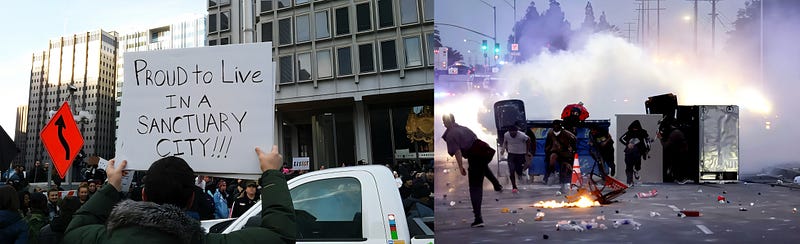
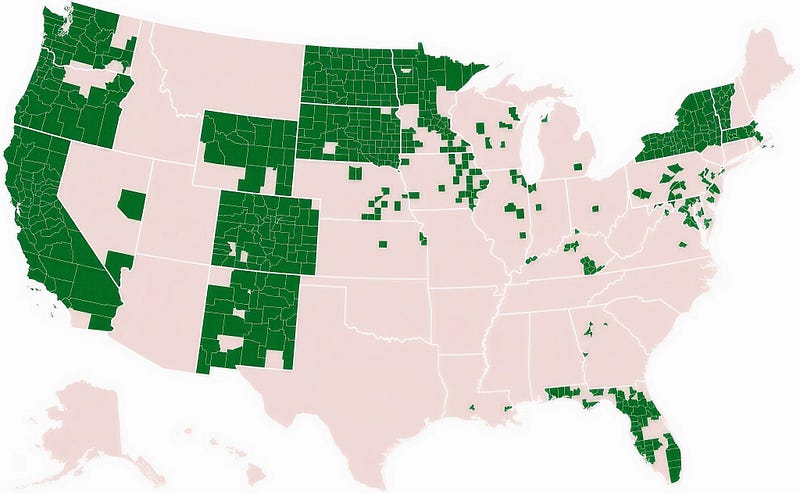
Sanctuary cities in the United States face unique challenges regarding crime and law enforcement dynamics. Sanctuary cities are jurisdictions that limit cooperation with federal immigration authorities, often to foster trust with immigrant communities. This approach has sparked intense debate about public safety. On one hand, critics claim these policies invite crime and “chaos” by allowing dangerous individuals to remain at large. On the other hand, multiple studies and recent trends suggest a more nuanced reality. In the analysis below, we examine recent crime trends in sanctuary cities, the perception of chaos and its impact, case studies that fuel the debate, and potential solutions — from bolstering police ranks to reforming policies — informed by expert opinions and data. The goal is to separate fact from fear and chart a path toward safer communities for all.
Recent Crime Trends and Challenges in Sanctuary Cities
Overall Crime Patterns: In recent years, many major sanctuary cities have experienced fluctuating crime trends, with a notable pandemic-era spike in violence followed by significant declines. For example, Washington, D.C. saw a decrease in violent crime after a post-pandemic peak in 2023[1]. Chicago’s Mayor Brandon Johnson recently highlighted “historic progress” in 2024, noting homicides fell by over 30% and shootings by almost 40% in one year[2]. Likewise, Los Angeles reported a 14% drop in homicides from 2023 to 2024[3], and Baltimore officials have touted “historic decreases” in homicides and shootings since 2022[4]. These improvements suggest that, broadly speaking, sanctuary cities are not descending into unchecked violence; in fact, many are emerging from the nationwide crime surge of 2020–2021 and moving toward relative safety.
Persistent Challenges: Despite encouraging overall trends, sanctuary cities still face persistent crime challenges — some of which are highly visible. Property crime and disorder remain a concern in several urban centers. San Francisco, for instance, has struggled with rampant retail theft and open-air drug markets in certain neighborhoods. Business owners have voiced frustration over repeat shoplifting, and national retailers even cited “organized retail crime” in decisions to close stores in cities like San Francisco and New York[5]. In Philadelphia, carjackings and robberies spiked in recent years, reflecting a broader national trend. These issues are not caused by sanctuary status per se, but they contribute to a sense of lawlessness. Moreover, the recent influx of asylum-seekers in some sanctuary cities (bused in from elsewhere) has created humanitarian strains — such as overcrowded shelters and people sleeping in police station lobbies — which complicates public safety efforts. City leaders stress that local “sanctuary” ordinances (which mainly limit immigration enforcement) do not directly cause these challenges[6][7], but the convergence of social issues in big cities can create an overall environment that feels chaotic.
Immigration and Policing Dynamics: A core challenge specific to sanctuary jurisdictions is balancing community trust with the need to detain criminals. Sanctuary policies typically bar police from honoring ICE detention requests for individuals who’ve been arrested, unless they are convicted of serious crimes. This is intended to encourage undocumented victims or witnesses to report crimes without fear of deportation. Indeed, law enforcement leaders in sanctuary cities argue that community cooperation is vital to crime reduction, and that overly aggressive immigration enforcement can undermine public safety by driving immigrants “into the shadows.” However, opponents counter that these policies sometimes result in dangerous offenders being released back onto the streets. The controversy often centers on cases where an undocumented immigrant with a criminal record wasn’t transferred to ICE, and later committed a serious crime. We examine such cases in the next section. For now, it’s important to note that broad data does not show sanctuary cities as crime-infested outliers. A 2020 analysis found “sanctuary policies…had no detectable effect on crime rates,” concluding that they “do not threaten public safety.”[8][9] In fact, multiple studies since 2017 have found no increase in crime associated with sanctuary jurisdictions; some research even links sanctuary policies with lower crime and greater economic vitality[10]. A recent University of Texas study of over 3,100 counties found that after 2014, violent and property crime decreased more in sanctuary counties than in comparable non-sanctuary counties[11]. The researcher noted that inclusive policies improve trust and “bring more people into… the protection of law enforcement,” thereby reducing reliance on underground economies[12]. These findings challenge the notion that sanctuary cities are inherently more dangerous. Nonetheless, crime in any form — and the perception of chaos — remains a serious concern for residents and officials alike.
Perceptions of Chaos and Societal Impact
Despite data indicating sanctuary cities are not spiraling into anarchy, perceptions of chaos persist and carry real consequences. High-profile incidents and political rhetoric have contributed to an image of sanctuary cities as lawless havens, affecting how communities feel and respond.
Political Narratives: Critics — including former President Donald Trump — frequently label certain cities as “crime-ridden”, “lawless,” or “chaotic.” In 2025, Trump publicly decried cities like Washington D.C., Chicago, Los Angeles, and Oakland as “horribly run” and in need of federal intervention[13]. He portrayed these predominantly sanctuary jurisdictions as beset by violent crime, graffiti, and homelessness, even as local leaders pointed out that crime was actually falling. “It’s just not true… It’s not supported by any evidence or statistics whatsoever,” said Savannah Mayor Van Johnson, pushing back on the rhetoric that crime is running rampant in U.S. cities[14]. Similarly, Oakland’s mayor rejected Trump’s description as “fearmongering,” noting significant drops in crime and accusing him of exaggerating long-standing perceptions[15]. Nonetheless, such narratives resonate with public anxieties. They paint a picture of urban chaos — images of “lawless enclaves” where, in Trump’s words, local authorities have “given up on enforcing the law.” Commentators have singled out areas like San Francisco’s Tenderloin, Los Angeles’s Skid Row, or Philadelphia’s Kensington as “magnets for crime and chaos,” allegedly overrun by gangs and open-air drug markets[16]. This portrayal, repeated often in the media, contributes to a widespread belief that life in sanctuary cities is increasingly unsafe and disorderly.
High-Profile Incidents: Real events on the ground sometimes bolster the perception of chaos. For example, Philadelphia witnessed a flash-mob style looting in September 2023, when over 100 youths coordinated via social media to ransack stores in Center City and other areas. Video footage showed masked teenagers swarming out of an Apple store and a Lululemon shop with stolen merchandise as police struggled to respond[17][18]. More than 20 people were arrested in one night of “theft and vandalism spree”, which an overwhelmed police official described as “a bunch of criminal opportunists [trying] to destroy our city.”[19]. Such brazen incidents, widely reported, reinforce public fears that chaos has become routine. Likewise, San Francisco has been spotlighted for scenes of drug users on sidewalks and gangs openly selling fentanyl in broad daylight. The situation grew so dire in the Tenderloin district that even local progressive leaders conceded the “disorder and chaos” were unacceptable[20][21]. These vivid examples — from retail looting to street narcotics markets — receive national attention and are often linked (fairly or not) to a city’s sanctuary status and overall governance.
Community Impact: The perception of rising chaos has tangible societal impacts. Residents in some sanctuary cities report feeling less safe using public transit or visiting downtown areas at night. Surveys in cities like New York and Los Angeles have found increasing public concern about quality-of-life crimes (vandalism, public drug use, petty theft), even if violent crime remains far below 1990s levels. This anxiety can erode trust in local officials and fuel political backlashes. In San Francisco, for instance, voter frustration with “lawlessness” contributed to the 2022 recall of a district attorney perceived as too lenient on crime. In Chicago, fears (and rumors) about crimes committed by newly arrived migrants led some aldermen to push for overturning the city’s sanctuary ordinance[7]. Businesses are also reacting: retailers have reduced hours or shut down stores in areas they deem unsafe, which hurts local economies and feeds a narrative of urban decline. Even when crime statistics are improving, optics matter — boarded-up shopfronts, viral videos of smash-and-grab robberies, or encampments of homeless people can create an ambient sense of chaos. This, in turn, pressures leaders to “do something” and can harden public attitudes toward criminal justice and immigration reform.
Separating Perception from Reality: It’s critical to approach the chaos narrative with skepticism and context. Experts note that crime during 2020–2021 was a nationwide phenomenon driven by the pandemic’s social disruptions — affecting cities with and without sanctuary policies. By 2023–2024, many sanctuary cities saw crime drops, but the public’s sense of security has been slower to rebound. Constant media coverage of sensational crimes can distort reality. For example, while shoplifting spikes made headlines, a Governing analysis found that overall larceny rates in 2023 were not drastically higher than a few years prior, and some closures blamed on theft might have had other contributing factors[22][23]. Likewise, claims that immigrant populations are driving crime are not borne out by data — studies consistently show immigrants (including undocumented immigrants) have lower arrest and conviction rates than native-born Americans[24][25]. Nonetheless, the fear of chaos has become a political force of its own. It can shape policy decisions and public cooperation with law enforcement. If residents believe their city is in chaos, they may support more extreme measures (or, conversely, withdraw from civic life). Therefore, addressing not just actual crime but the perception of disorder is a key challenge for sanctuary city officials.
Case Studies: When Chaos Becomes “The Norm”
A few high-profile cases and patterns have been repeatedly cited as evidence that sanctuary policies foster an environment where “chaos has become the norm.” It’s instructive to review these case studies — both to understand public sentiment and to evaluate what actually went wrong.
The Kate Steinle Tragedy (San Francisco): Perhaps the most infamous case occurred in 2015, when 32-year-old Kate Steinle was fatally shot while strolling on a San Francisco pier. The shooter, José Inez García Zárate, was an undocumented immigrant with a long criminal record who had been deported five times[26]. Just weeks before the shooting, he had been released from San Francisco’s jail instead of being turned over to ICE due to the city’s sanctuary policy (the sheriff’s department declined an ICE detainer request). Steinle’s death — later determined to be from an accidental discharge of a gun Zárate found — became a national flashpoint. It “sparked a debate over the role of ‘sanctuary’ cities” and prompted Congress to propose legislation like Kate’s Law, aimed at imposing harsher penalties on deported felons who return illegally[27]. To sanctuary policy critics, this case epitomized chaos: an individual they believe “should not have been here” was free, and a senseless death resulted. Supporters of the policy argued that one anecdote shouldn’t define a system, noting Zárate’s conviction for the shooting was ultimately overturned and that San Francisco’s policy was intended to prioritize serious threats. Still, the Steinle case cemented in many minds the idea that sanctuary cities can harbor dangerous people with impunity.
Bambi Larson (San Jose): In February 2019, a horrific murder in San Jose further inflamed the sanctuary debate in California. Bambi Larson, a 59-year-old resident, was stabbed to death in her home. The suspect arrested was Carlos Arevalo-Carranza — an undocumented immigrant from El Salvador and admitted gang member with a lengthy arrest record[28][29]. He had been detained by ICE years earlier and deported, but returned to the U.S. and cycled through local jails multiple times for crimes including burglary, drug possession, and battery. Santa Clara County, however, had one of the most stringent sanctuary policies in the nation — it refused to notify ICE of his arrests or releases. According to San Jose’s police chief, the county’s “refusal to honor detainer requests… allowed [Arevalo-Carranza] to be released” repeatedly[30]. After Larson’s murder, San Jose’s mayor and police chief very publicly criticized these policies, calling for common-sense exceptions to protect the public. The county’s officials defended the policy on legal grounds (saying they needed a judicial warrant from ICE)[31], but the damage was done. The case became another example in the narrative that sanctuary cities put ideology over safety. As one outraged resident wrote, these policies meant “an undocumented murder suspect [was] repeatedly released from jail” until a tragedy occurred[28]. The chaos in this story lay in the perceived breakdown of law and order — a violent offender slipped through the cracks multiple times.
Officer Ronil Singh’s Murder (California): Even law enforcement has not been spared. On December 26, 2018, Newman Police Corporal Ronil Singh — a legal immigrant himself — was shot and killed during a traffic stop in California’s Central Valley. The suspect, Paulo “Gustavo” Perez Arriaga, was an undocumented immigrant with gang ties who had two prior DUI arrests[32]. Stanislaus County’s sheriff revealed that Arriaga was in the country illegally and would have been reported to ICE under earlier policies. But just months before, California became a “sanctuary state” via SB 54, which prohibited local police from notifying ICE in most cases. “This is a criminal illegal alien… that should have been reported to ICE,” the sheriff lamented. “We were prohibited… because of sanctuary laws, and that led to the encounter with Officer Singh.”[33]. The implication was clear: had Arriaga been deported for his prior offenses, he would not have been around to kill a cop. This case galvanized law enforcement officials opposed to sanctuary policies and was cited by President Trump as an example of why we must “get tough” on illegal immigration[34]. Supporters of SB 54 argued that nothing prevented ICE from pursuing Arriaga independently (and noted that DUI offenses alone often didn’t meet the law’s threshold for notification). Nonetheless, to many, Singh’s death was a preventable tragedy that underscored a sense of lawlessness under sanctuary rules.
Recurring “Chaos” Patterns: Beyond individual cases, there are broader patterns that feed the idea of chaos-as-norm in sanctuary cities. One is the prevalence of repeat offenders and lenient consequences. Police in cities like New York and San Francisco have complained about “revolving door” justice, where serial shoplifters or car burglars are arrested and released quickly under reformed bail and prosecution policies. Such policies are separate from immigration issues, but in the public’s mind, they blend as part of a “soft on crime” approach often attributed to sanctuary jurisdictions (which tend to be politically progressive). For instance, California’s Proposition 47 (which reduced many thefts to misdemeanors) has been blamed for a surge in retail theft crews. In New York, bail reforms that ended cash bail for most nonviolent crimes coincided with anecdotes of rearrests, fueling public backlash. While these reforms apply to all suspects, some critics conflate them with sanctuary policies as part of an overall “pro-criminal” stance. The result is an image of impunity — that criminals (whether native-born or immigrant) face minimal consequences in these cities, encouraging more crime.
Another pattern is civil unrest and police pullbacks. The summer of 2020 saw major protests and some riots in cities like Portland, Seattle, and Minneapolis after George Floyd’s murder. In Seattle’s case, protesters even established a short-lived “autonomous zone” (CHOP) where police withdrew — an episode often cited as an example of anarchic conditions. These cities are generally sanctuary jurisdictions, and critics seized on the unrest as evidence of what happens when law enforcement authority erodes. In Portland, nightly clashes and property damage went on for weeks, reinforcing perceptions of urban chaos. Though these events were largely about policing and racial justice, not immigration, they added to the narrative that sanctuary cities tolerate disorder.
In summary, cases like Steinle, Larson, and Singh — along with visible crime patterns — have been used to argue that sanctuary cities normalize chaos. Each involves serious failures (or perceived failures) of the system. However, it’s worth noting that such dramatic cases are relatively rare. They gain outsized attention because they tap into public fears. The vast majority of violent crimes in sanctuary cities are committed by U.S. citizens or those not affected by sanctuary policies[25]. Even so, these stories remain cautionary tales in the public discourse, driving calls for change.
Solutions and Reform Strategies
Given the challenges above, what steps can be taken to improve safety and order in sanctuary cities? Proposed solutions generally fall into two categories: strengthening law enforcement (through manpower, arrests, and sentencing) and policy reforms (adjusting sanctuary rules or related criminal justice policies). A comprehensive approach likely requires elements of both, along with community engagement.
1. Increasing Police Presence: One immediate response to crime and chaos is to put more “boots on the ground.” Many sanctuary cities have, in fact, moved to bolster their police forces after struggles in recent years. New York City, for example, deployed additional officers to high-crime subway stations in 2022 after a string of violent incidents, which helped reassure riders. In Chicago, the police department partnered with federal agencies on task forces to combat gun violence at its peak. However, police staffing remains an issue — cities like Seattle and San Francisco saw significant officer retirements/resignations around 2020–2021 and are now recruiting to fill the gap. Hiring more officers can increase visibility and deterrence. Researchers generally agree that a higher police-to-population ratio can have a modest crime-reducing effect, especially for visible disorder. That said, simply having more officers is not a panacea. They must be deployed effectively and maintain community trust. Some experts warn that over-policing minority neighborhoods could backfire, reducing cooperation and potentially leading to more chaos in the long run. The key is targeted policing — for instance, focusing on known “hot spots” of gun violence or retail theft. Sanctuary cities like Los Angeles have tried such precision policing alongside community intervention programs, and the recent drops in crime suggest a combination of enforcement and prevention is working[35][36]. Still, many residents argue that a greater everyday police presence (walking beats, quick 911 responses) is needed to restore order in chaotic-feeling areas.
2. Making More Arrests (Accountability): Beyond just having officers present, there is a call for a tougher approach to enforcing laws and making arrests when crimes occur. In some sanctuary cities, officials are responding to complaints of lax enforcement. San Francisco, for instance, launched initiatives in 2023 to crack down on open-air drug dealing in the Tenderloin — with Mayor London Breed authorizing police to arrest street-level dealers and increasing coordination with the DEA. Likewise, retailers and community groups in cities like Chicago and New York have pressured authorities to act aggressively against smash-and-grab rings and carjacking crews. The idea is that swiftly arresting perpetrators — especially repeat offenders — sends a message that chaos will not be tolerated. This also ties into sanctuary policy debates: some city leaders propose that criminal undocumented immigrants should be prioritized for arrest and, if possible, removal. For example, after the Larson murder, San Jose officials lobbied for policy changes so that people like Arevalo-Carranza (multiple arrests, known gang member) would be flagged and detained longer, giving ICE a chance to pick them up[30][29]. The counterpoint from immigrant rights advocates is that funneling more people to ICE can deter immigrants from reporting crimes and entangle local police in federal matters, potentially reducing overall arrests in immigrant communities (because of mistrust). It’s a delicate balance. Nonetheless, there is growing consensus that certain offenses tied to public disorder — for example, organized retail theft or illicit drug sales — require a firmer law enforcement response than seen in recent years. Sanctuary cities are experimenting with specialized retail theft units, warrant sweeps for chronic offenders, and closer collaboration with federal task forces (without directly violating sanctuary ordinances). Early results show that visible enforcement upticks can indeed disrupt criminal patterns, at least temporarily. The challenge will be sustaining those efforts without overburdening the justice system or community relations.
3. Harsher Sentences and Judicial Reform: A frequent refrain in the law-and-order camp is that criminals in sanctuary cities face too little consequence, emboldening them. As a remedy, many advocate for harsher sentences and stricter prosecution of crimes. This includes reversing policies seen as too lenient. In California, critics of Prop 47 (which downgraded many thefts) are pushing for its amendment or repeal, arguing that raising the stakes (e.g., making shoplifting a felony after a lower threshold) would deter would-be thieves. Some states are considering laws to allow longer sentences for repeat retail theft or carjacking. At the federal level, Kate’s Law — named after Steinle — was proposed to impose mandatory minimum prison terms for those who illegally re-enter the U.S. after deportation[37]. While it did not pass as originally introduced, portions of it have been incorporated into enforcement priorities. The rationale is straightforward: if an undocumented immigrant knows they will face, say, a five-year federal prison term for coming back after deportation, they might think twice (thus potentially preventing future crimes by that individual). Additionally, local prosecutors in some sanctuary cities are under pressure to get tougher. In 2023, amidst public outcry, San Francisco’s new district attorney began seeking pretrial detention for more fentanyl dealers and backed state legislation to increase penalties for those carrying large quantities of drugs. In New York, after some highly publicized repeat offenses by suspects out on bail, the state adjusted its bail reform law to give judges slightly more discretion to hold defendants considered dangerous. Implementing harsher sentences is seen by proponents as a way to restore order — by incapacitating the most problematic individuals and sending a warning to others. However, experts caution that severity is less effective than certainty when it comes to deterrence. Lengthy sentences can also exacerbate prison overcrowding and have diminishing returns. A skeptic might note that the U.S. already tried a period of very harsh sentencing in the 1980s-90s (the “tough on crime” era), which coincided with a crime drop but also led to mass incarceration and other social costs. Policymakers are thus seeking a middle ground: ensure there are meaningful consequences for those who commit crime — especially violent or chronic offenders — without resorting to draconian measures that could harm communities. In sanctuary cities, this conversation also includes whether to make exceptions to sanctuary rules for those convicted of serious crimes, effectively handing them over to ICE upon release. Some jurisdictions have adopted such carve-outs (for example, honoring ICE detainers for people convicted of violent felonies), trying to balance immigrant protections with removing truly dangerous individuals.
4. Community and Policy Reforms: Beyond policing and punishment, sustainable solutions recognize that crime and chaos have root causes that need addressing. Sanctuary cities have been at the forefront of innovative violence prevention strategies that complement law enforcement. As mentioned, cities like Baltimore have treated violence as a public health issue — investing in conflict mediation, youth programs, and victim services — which coincided with substantial crime reductions[35][36]. Community organizations in Oakland credit partnerships and outreach for the nearly 30% drop in violent crime there[38][39]. These efforts build social cohesion and can reduce chaos by intervening before crimes happen. Likewise, improving mental health and addiction services is critical in tackling the “chaos” of open-air drug scenes. San Francisco is now increasing funding for street outreach teams and treatment beds, recognizing that purely punitive approaches won’t solve the fentanyl crisis. In terms of policy reform, sanctuary cities might consider fine-tuning (not abandoning) their immigration policies. For instance, after high-profile crimes, some propose that local law enforcement be allowed to notify ICE when an undocumented person with serious prior convictions is about to be released — a narrow exception that might have prevented cases like Bambi Larson’s. Indeed, in the wake of that murder, Santa Clara County officials said there “may be room” to at least alert ICE in such circumstances, even if they won’t hold the inmate extra time[31]. Implementing such targeted changes could alleviate public concern while largely preserving the trust-building intent of sanctuary policies. Additionally, better information sharing between local and federal agencies (within legal bounds) could ensure that repeat offenders don’t slip through jurisdictional cracks. Another reform area is technology and data: cities are investing in surveillance cameras, license plate readers, and data-driven policing to more quickly respond to crime spikes — ideally preventing chaotic crime sprees before they escalate (all while being mindful of privacy and civil rights).
Expert Consensus: When analyzing expert opinions on sanctuary cities and crime, a few themes emerge. First, most criminologists assert that undocumented immigration does not inherently increase crime, and sanctuary policies by themselves are not crime drivers[40]. In fact, a 2022 peer-reviewed study concluded that “when states create sanctuary jurisdictions… rates for some crimes actually fall”[40]. This suggests that well-designed sanctuary policies can coexist with public safety — possibly even enhance it by fostering cooperation. Second, experts emphasize that perceptions matter: leaders need to address the fear of crime with transparency and results. As one mayor put it, they must “amplify our voices to confront the rhetoric that crime is running rampant… It’s just not true.”[14] At the same time, dismissing public concerns is a mistake; visible disorder should be tackled. The consensus is that a balanced strategy works best: vigorous enforcement against those who truly threaten public safety (regardless of immigration status) combined with community-based prevention and smart policy tweaks. In short, neither a knee-jerk punitive crackdown nor a hands-off approach will succeed on its own. Sanctuary cities, like all communities, thrive when stakeholders work together on pragmatic solutions.
Conclusion: Collaborative Action for a Safer Future
In conclusion, the relationship between sanctuary city policies, crime, and perceptions of chaos is complex. While recent data and research debunk the notion that sanctuary cities are lawless hotbeds of crime — many are in fact seeing crime rates fall and have strong community trust — the perception of chaos cannot be ignored. High-profile incidents and political rhetoric have painted sanctuary cities in an alarming light, undermining public confidence. To bridge the gap between reality and perception, stakeholders must take collaborative action.
Policymakers should focus on evidence-based reforms that enhance public safety without forsaking the inclusive values of sanctuary policies. This means finding sensible compromises, such as allowing cooperation with federal authorities in the most egregious cases while maintaining protections for law-abiding immigrants. It means investing in both law enforcement and the underlying social programs that keep youth away from crime and help addicted individuals off the streets. Law enforcement agencies, for their part, should continue refining strategies to quickly address disorder — whether through targeted patrols, retail theft task forces, or gun violence units — and communicate their successes to the public to rebuild trust.
Community members and local leaders in sanctuary cities must also be partners in this process. Residents can support crime prevention efforts, participate in neighborhood watches or intervention programs, and hold officials accountable for results. Immigrant communities, in particular, should be engaged as vital allies in reporting crime and guiding culturally sensitive policing. Meanwhile, media and political figures bear a responsibility to discuss this issue honestly: highlighting problems where they exist, but also acknowledging progress and avoiding demagoguery that divides communities.
Sanctuary cities arose from a vision of protecting vulnerable immigrants, but they also seek to uphold the rule of law for everyone. These goals are not mutually exclusive. By learning from data and case studies, and by heeding both expert advice and community concerns, sanctuary cities can implement reforms that dispel the image of chaos and genuinely make streets safer. Ultimately, ensuring public safety in a sanctuary city — or any city — is a shared endeavor. It requires moving past polarized narratives and working together on pragmatic solutions. This is a call to action for mayors, police chiefs, city councils, advocacy groups, and citizens alike: let’s collaborate in good faith to build a safer, more secure society — one where both the ideals of sanctuary and the imperative of justice are respected, and where no one has to live in fear, regardless of their birthplace.
Together, through balanced policy and community partnership, chaos can be replaced with order, and mistrust with security — fulfilling the promise that sanctuary cities can be both welcoming and safe.[41][40]
[1] [2] [3] [4] [13] [14] [15] [35] [36] [38] [39] Black Mayors of Cities Trump Decries as ‘Lawless’ Tout Significant Declines in Violent Crimes | Chicago News | WTTW
[5] [17] [18] [19] US teens ransack, loot Philadelphia shops in flash mob-style raids | Crime News | Al Jazeera
[6] [7] As Backlash Against Chicago’s Sanctuary City Status Gains Steam, Supporters Warn of Consequences | Chicago News | WTTW
[8] [9] [10] [41] americanimmigrationcouncil.org
[11] [12] Sanctuary Practices Lower Counties’ Crime Rates — UT Austin News — The University of Texas at Austin
https://news.utexas.edu/2022/06/13/sanctuary-practices-lower-counties-crime-rates/
[16] Trump Should Shut Down Open-Air Drug Markets
https://www.city-journal.org/article/open-air-drug-markets-trump
[20] SF drug markets have changed: Violence, new dealers, chaos at night
https://www.sfchronicle.com/bayarea/article/drug-market-tenderloin-soma-18579159.php
[21] S.F. police swarm 16th and Mission, vow to shut down drug market
https://www.sfchronicle.com/sf/article/s-f-police-swarm-16th-and-mission-20206594.php
[22] [23] Crime epidemic causing retail store closures in places like San …
[24] [25] [40] Illegal Immigrant Incarceration Rates, 2010–2023 | Cato Institute
https://www.cato.org/policy-analysis/illegal-immigrant-incarceration-rates-2010-2023
[26] [27] [37] Article: Sanctuary Cities Come Under Scrutiny, As .. | migrationpolicy.org
[28] [29] [30] [31] Undocumented Suspect In Bambi Larson Murder Makes First Court Appearance — CBS San Francisco
https://www.cbsnews.com/sanfrancisco/news/bambi-larson-murder-suspect-carranza-san-jose/
[32] [33] [34] Suspected killer of California officer Ronil Singh had 7 alleged accomplices: Officials — ABC News