Crisis on the Court: Inside the WNBA’s Officiating Turmoil (2025)
Persistent and widespread criticism surrounds the quality of officiating in the 2025 WNBA season, creating a significant controversy that…
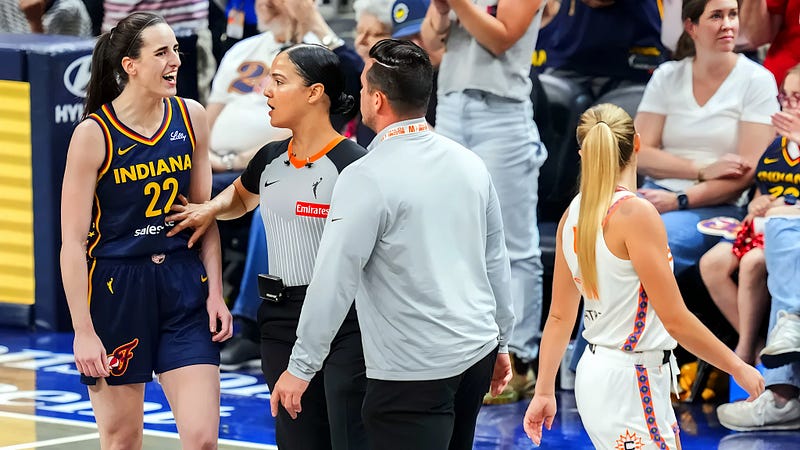
Persistent and widespread criticism surrounds the quality of officiating in the 2025 WNBA season, creating a significant controversy that impacts players, coaches, and the league’s reputation. Players and coaches consistently point to a severe lack of consistency in foul calls, where similar actions receive wildly different treatment depending on the game, the quarter, the officiating crew, or even the specific player involved. This inconsistency is particularly evident in how referees manage physical play, with tolerance levels fluctuating dramatically. While some minor infractions are penalized, far more dangerous and aggressive contact often goes unpunished, leading players to describe the game as resembling “rugby” at times.
This unchecked physicality directly contributes to an alarming injury rate, disproportionately affecting star guards and undermining the league’s momentum. High-profile players have suffered significant injuries from unreported incidents, with one prominent guard displaying visible scratches after games, stating that such contact occurs on every possession. Experts link the injury epidemic partly to erratic officiating that forces players to adjust their movements unnaturally, increasing strain. Beyond player safety, the inconsistency erodes trust in the game’s fairness. Players express deep frustration, feeling their concerns about specific calls or patterns of officiating are consistently dismissed by referees during games and by the league office afterward, leaving them feeling unheard and unfairly labeled as complainers.
Compounding these on-court issues are systemic problems with the officiating structure itself. Unlike their NBA counterparts, who are full-time, salaried employees, WNBA referees work as part-time contractors paid per game. Many supplement their income by officiating college basketball in the offseason, requiring them to switch between different rule sets and interpretations, which hinders the development of consistent WNBA standards. The league also lacks the robust support systems and transparency measures found in the NBA, such as a dedicated replay center or public “Last Two Minute” reports detailing critical calls. Replay decisions are handled solely on the court, slowing the game and increasing the potential for error. Crucially, while players face public fines for criticizing officials, referees themselves face no public accountability for their mistakes, a disparity that fuels resentment among players demanding greater transparency.
This officiating crisis threatens the WNBA’s impressive commercial growth. As attendance and viewership surge and a major new media rights deal takes effect, the poor quality and inconsistency of refereeing risk alienating the new fans the league is attracting. Controversies over officiating and resulting on-court scuffles often dominate headlines, overshadowing the high-level play. While the league commissioner has acknowledged room for improvement, she has also downplayed the concerns, contrasting sharply with the urgent calls from players and coaches for significant reforms, including full-time professional referees, unified training, and NBA-style accountability measures, to safeguard the league’s integrity and future success.