Dukkah: The Alchemy of Egypt’s Spice Blend
There is a moment, just as a pan warms and a scattering of fragrant seeds begins to crackle, when history itself seems to awaken. The air…
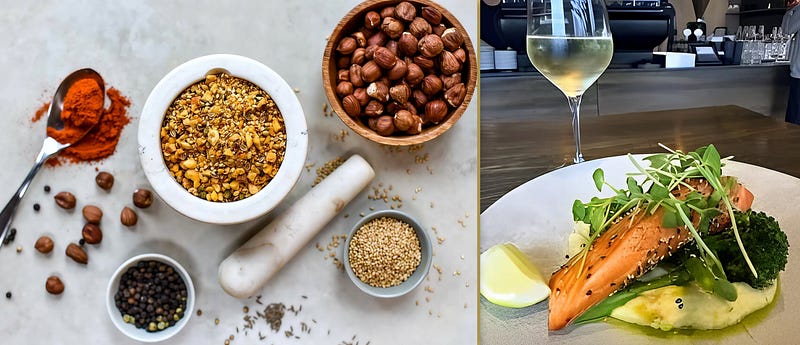
There is a moment, just as a pan warms and a scattering of fragrant seeds begins to crackle, when history itself seems to awaken. The air fills with the earthy sweetness of toasted cumin, the nutty depth of sesame, the grassy brightness of coriander. This is the magic of the Egyptian spice blend, a culinary heirloom known traditionally as dukkah, whose roots stretch across centuries of Nile-fed fields and bustling souks. More than a seasoning, it is a living record of biodiversity, cultural memory, and sustainable food practices, ready to captivate palates from Cairo to California.
Taxonomy
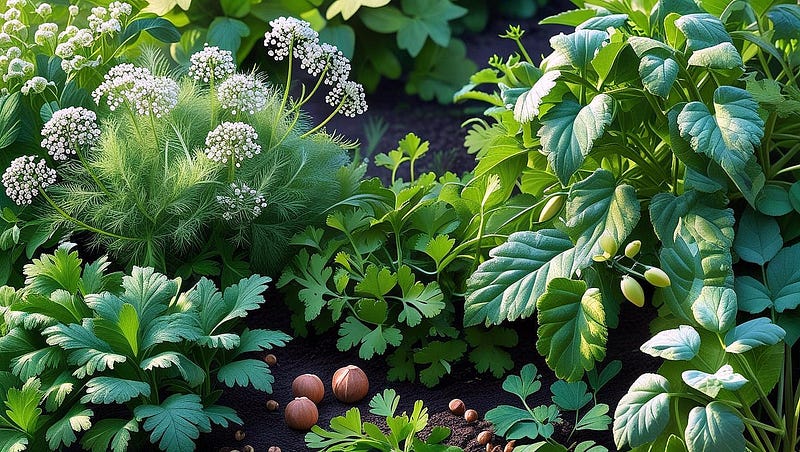
While dukkah itself is not a single species, it is a deliberate symphony of plant species whose taxonomies form a kind of botanical chorus. Cuminum cyminum, the cumin seed, belongs to the Apiaceae family, sharing kinship with carrots and parsley. Coriandrum sativum, better known as coriander or cilantro, also sits in Apiaceae, its seeds offering citrusy perfume. Sesamum indicum, the sesame seed, is part of the Pedaliaceae family, an ancient oilseed crop revered since Pharaonic times. Often, crushed hazelnuts or chickpeas are added, each carrying its own taxonomic story, from Corylus avellana in the birch family to Cicer arietinum in the legume family. Together, these ingredients transcend borders, combining plant lineages into a single, harmonious blend.
Biology
Each seed in dukkah embodies resilience born of challenging climates. Cumin thrives in arid soils, its umbels yielding slender, ridged seeds that mature in a swift life cycle, often within four months of sowing. Coriander follows a similar pattern, germinating quickly and producing seeds that dry in the fierce Egyptian sun. Sesame is a marvel of adaptation, tolerating drought and producing seed pods filled with oil-rich kernels. Hazelnuts require temperate groves, while chickpeas withstand scorching summers, fixing nitrogen in the soil as they grow. These biological traits make the blend both geographically diverse and biologically complementary, a culinary reflection of plant evolution.
Ecology
The ecology of dukkah’s ingredients is as intricate as its flavor profile. Cumin and coriander often grow in rotation with wheat, supporting sustainable farming by improving soil health. Sesame’s deep roots anchor fragile soils, helping prevent erosion in regions vulnerable to desertification. Hazelnut orchards provide habitats for birds and insects, enriching local ecosystems. Chickpeas replenish nitrogen naturally, reducing the need for synthetic fertilizers and sustaining the land for future harvests. When combined, these ingredients tell a story of agricultural symbiosis, a kind of edible ecology that honors both past and future.
Uses
Dukkah is more than a kitchen staple; it is a microeconomy in itself. Farmers sell sesame by the kilo, which is roughly 2.2 pounds, to cooperatives that roast and process it sustainably. Cumin is exported in sacks of 50 kilograms, equivalent to about 110 pounds, feeding international markets eager for authentic flavors. Artisans in Cairo’s markets blend these ingredients in small batches, turning raw biodiversity into value-added goods that support local livelihoods. In global health-conscious circles, dukkah’s plant-based, protein-rich profile makes it a star of modern gastronomy, bridging tradition with contemporary demand.
Culinary Aspects
On the tongue, dukkah delivers contrasts that are both ancient and immediate. Toasted sesame offers a warm nuttiness, while cumin and coriander bring earthy depth and citrus lift. A typical recipe might call for 100 grams of sesame, approximately 3.5 ounces, mixed with an equal weight of crushed hazelnuts, blended with ground cumin and coriander. The mixture is coarse yet refined, perfect for dipping warm flatbread into olive oil, then into the spice mixture. It crowns roasted vegetables, enlivens soft cheeses, and turns a simple boiled egg into a revelation. The blend is not merely seasoning; it is ritual, tradition, and innovation in every bite.
Wine Pairings
Dukkah’s layered flavors demand wines with equal complexity. A crisp Sauvignon Blanc, with its herbaceous notes and citrus spine, complements the coriander and cumin beautifully. Its vibrant acidity cuts through the oil-rich sesame, creating balance. For those who prefer reds, a Grenache with soft tannins and red-fruit brightness mirrors the blend’s warm spice without overpowering it. In both cases, the wine becomes a partner in the culinary dance, enhancing rather than eclipsing the ancient Egyptian chorus of flavors.
Conclusion
To taste dukkah is to taste a lineage of seeds carried through centuries of cultivation, trade, and devotion. It is an Egyptian treasure that speaks of ecological stewardship and human ingenuity, transforming simple ingredients into a shared cultural inheritance. As you grind and toast these seeds in your kitchen, you join a continuum stretching back to the banks of the Nile. In a world hungry for sustainability and authenticity, this humble blend offers both — a reminder that the smallest seeds often carry the greatest stories.