Emerald Edge: The Bold Legacy of the Makrut (Kaffir) Lime
Few plants carry both mystery and familiarity in their fragrance, but Citrus hystrix does so effortlessly. Known to chefs and gardeners…
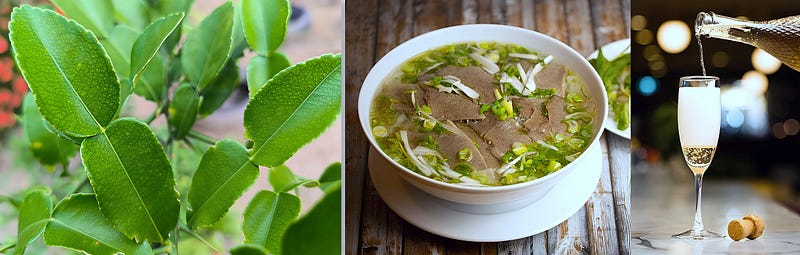
Few plants carry both mystery and familiarity in their fragrance, but Citrus hystrix does so effortlessly. Known to chefs and gardeners alike, this evergreen tree weaves its way through Southeast Asian culinary traditions, ecological resilience, and sustainable agriculture. Its leaves release a heady aroma when crushed, its knobby green fruits hide sharp-tongued secrets, and its history is rooted deep in cultural identity.
Taxonomy and Names That Travel the World
Citrus hystrix belongs to the Rutaceae family, the same lineage that gives us oranges, lemons, and grapefruits. In English, it is often called the kaffir lime, though many modern chefs prefer the more neutral and regionally respectful name makrut lime. The plant itself shows few true varieties, but cultivars grown in Thailand, Indonesia, and Malaysia exhibit subtle differences in leaf oil composition and fruit texture, with all of them prized for culinary use.
Biology Woven With Scent and Adaptation
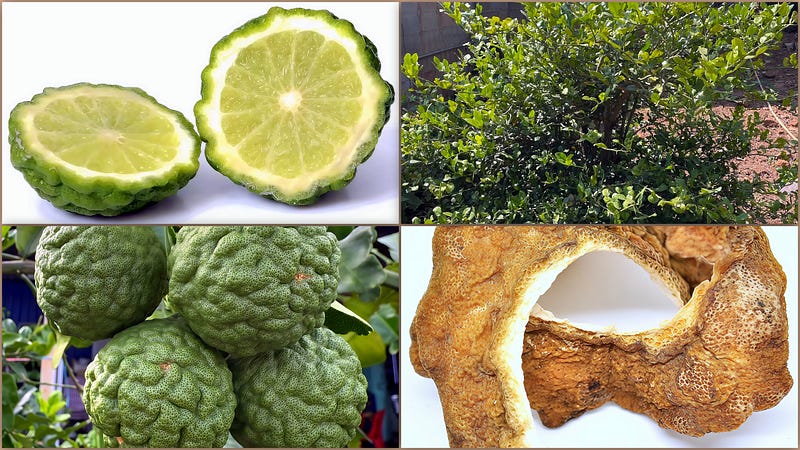
At first glance, Citrus hystrix stands as a small to medium tree, rarely exceeding a height of 10 meters, which is about 33 feet. Its leaves are uniquely double-lobed, appearing as though one leaf has been stitched onto another, a feature that instantly sets it apart from its citrus cousins. The fruit is small, typically 4 to 5 centimeters across, or about 1.6 to 2 inches, its rind warty and thick. This rugged texture is no accident — it protects the intensely aromatic oils within and guards against pests. The tree flowers in subtle white blossoms that attract pollinators and eventually bear those signature green globes.
Ecology and the Call for Conservation
Citrus hystrix thrives in warm, humid regions, flourishing from the lowland tropics up to foothill plantations. It is native to Southeast Asia but has been cultivated far beyond, adapting to microclimates in India, the Caribbean, and parts of Central America. The tree plays a quiet but vital ecological role, offering nectar to bees and shelter to small creatures. Its hardy nature makes it valuable in sustainable agroforestry systems where chemical inputs are reduced, as its dense canopy can suppress weeds naturally. Farmers who plant makrut lime as windbreaks or intercrops often find improved soil health and greater biodiversity in their fields.

Uses That Bridge Tradition and Innovation
In markets from Bangkok to Jakarta, baskets of Citrus hystrix leaves and fruits represent more than trade — they represent a heritage of flavor. The leaves are sold fresh, dried, or frozen, often in bundles of 100 grams, which equals about 3.5 ounces, catering to restaurants and home cooks alike. The fruit’s rind is distilled into essential oil for perfumes and cleaning products, while the juice is used sparingly in traditional remedies for digestion and skin care. As global demand grows, smallholder farmers find new opportunities to cultivate this species sustainably, commanding higher prices in specialty markets and export hubs.
Culinary Aspects That Stir the Senses
Few ingredients can awaken a dish like the torn leaf of a makrut lime. Its scent blends bright citrus with an earthy, almost floral undertone, creating layers of complexity in soups, curries, and stir-fries. In a steaming bowl of tom yum soup, the leaves lend a lift that cuts through richness, while the grated rind perfumes chili pastes and marinades. For those experimenting at home, one leaf finely shredded into a coconut-based curry can transform the familiar into the unforgettable. Beyond Southeast Asia, chefs in Paris, New York, and Sydney now showcase Citrus hystrix in desserts, syrups, and even craft cocktails, proving that ancient flavors travel far.
Wine Pairings That Sing in Harmony
When serving a dish laced with makrut lime leaves, one must choose wines that respect their intensity. A crisp Sauvignon Blanc, with its grassy brightness, mirrors the herbal notes and keeps pace with spicy soups. Riesling, especially one with a touch of residual sweetness, softens the sharper edges of curries and balances the citrus zing. In more robust preparations, a dry Chenin Blanc or a light Grüner Veltliner creates an elegant bridge, each sip drawing out hidden layers of lemongrass, ginger, and the unmistakable whisper of lime.
Conclusion: A Living Legacy of Fragrance and Flavor
Citrus hystrix is more than a plant. It is a story told in leaves and oils, in recipes passed down through generations, and in the growing fields of farmers embracing sustainable futures. Its resilience and versatility offer lessons beyond the kitchen, reminding us that tradition and innovation can share the same branch. Next time you catch that unmistakable fragrance drifting from a simmering pot, consider the journey of this small, warty fruit that carries the soul of a region and the promise of a greener, tastier tomorrow.