Flight of the Japanese Quail: From Wild Grasslands to Global Kitchens
The Japanese quail links wild grasslands, urban cuisine, small‑scale farming, and scientific research. Its blend of tradition, efficiency, and sustainability makes it a powerful model for future protein systems, provided productivity and conservation stay in balance.
Introduction
The Japanese quail, known to science as Coturnix japonica, is a small but remarkable bird whose story stretches from the wild grasslands of East Asia to the kitchens and laboratories of the modern world. Often overshadowed by larger game birds, this humble species carries immense cultural, culinary, and economic importance. Its eggs, delicate and speckled, appear in bento boxes across Japan, while its meat graces tables from Paris to New York. At the same time, quail populations have provided vital insights into biology and medicine, making them not just a source of nourishment, but of knowledge. To understand the Japanese quail is to appreciate how one small bird can embody resilience, adaptability, and sustainability.
Taxonomy
The Japanese quail belongs to the family Phasianidae, which also includes pheasants, partridges, and chickens. Its classification is:
- Kingdom: Animalia
- Phylum: Chordata
- Class: Aves
- Order: Galliformes
- Family: Phasianidae
- Genus: Coturnix
- Species: Coturnix japonica
Sometimes called the Asian quail or simply “coturnix,” this species is closely related to the common quail (Coturnix coturnix) of Europe. However, the Japanese quail is distinct enough in morphology and genetics that it is recognized as its own species. Domesticated strains have been selectively bred for egg production, meat yield, or ornamental value, producing a range of varieties, some with striking plumage patterns.
Biology
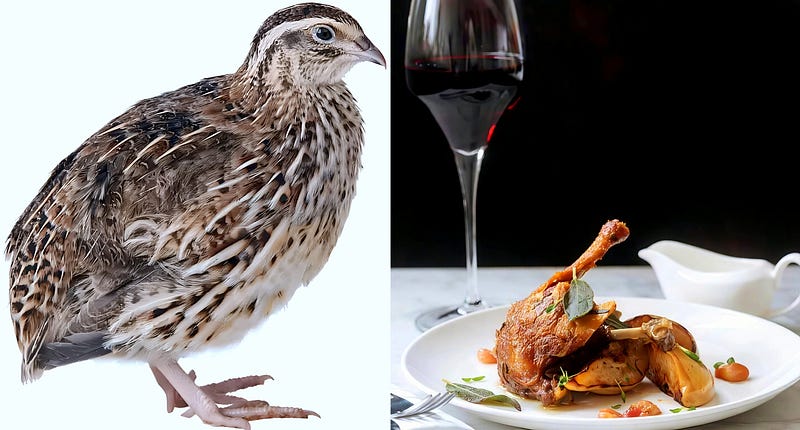
Small but hardy, Japanese quail measure about 7 inches (18 cm) in length and weigh between 3.5 oz and 5 oz (100 g to 150 g). Their plumage, mottled in shades of brown, tan, and cream, provides camouflage against the grasses where they nest. Despite their diminutive size, they are prolific breeders. A female may begin laying eggs at just 6 weeks old, producing up to 300 eggs in a year. Their eggs weigh roughly 0.35 oz (10 g), each one a miniature marvel of nutrition and design.
In the wild, these birds are migratory, capable of flying long distances across East Asia. Domesticated breeds, however, have largely lost the instinct and endurance for migration, channeling their energy instead into egg and meat production. Japanese quail are prized in laboratory research for their rapid growth, short generation times, and sensitivity to environmental conditions, making them living models for genetics, endocrinology, and toxicology studies.
Ecology
In their natural habitat, Japanese quail inhabit grasslands, meadows, and cultivated fields across Japan, Korea, and parts of China. They play an important ecological role by consuming insects and seeds, thereby influencing plant dynamics and pest control. Their nesting behavior — shallow scrapes in the earth — makes them vulnerable to predation, but their camouflage and high reproductive rates balance these risks.
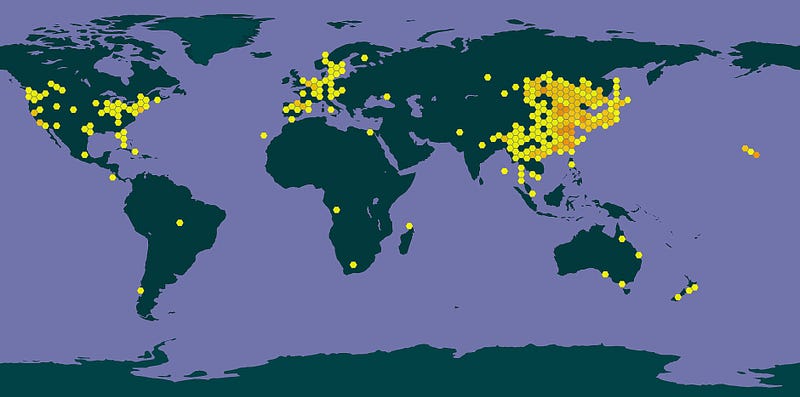
Unfortunately, wild populations have declined in parts of their range due to habitat loss and hunting pressure. Conservationists stress the importance of maintaining wild genetic diversity, especially since domesticated quail are bred primarily for productivity rather than resilience. Sustainable practices, such as habitat preservation and ethical farming, are vital to ensuring that these birds continue to thrive both in nature and in agriculture.
Uses
The Japanese quail is one of the most economically important small game birds. In farming, they are efficient converters of feed to protein, making them highly sustainable compared to larger poultry. A single bird requires only about 0.22 lb (100 g) of feed daily, yet provides a steady supply of eggs and meat. Quail farming is accessible on small scales, making it an important livelihood resource in rural areas across Asia, Africa, and beyond.
Beyond agriculture, Japanese quail serve as key models in scientific research. Their embryos are especially valuable in developmental biology studies, while their egg-laying cycles provide insights into reproductive physiology. This dual role — provider of sustenance and knowledge — sets the species apart from most domesticated birds.
Culinary Aspects
The taste of Japanese quail is often described as rich and delicate, with a flavor deeper than chicken but less gamey than pheasant. The meat is lean yet tender, especially when roasted or grilled. In French cuisine, quail is frequently stuffed or braised, paired with earthy flavors like mushrooms and truffles. In Japan, grilled quail skewers (yakitori) are a delicacy, while the eggs are a common garnish in sushi and ramen.
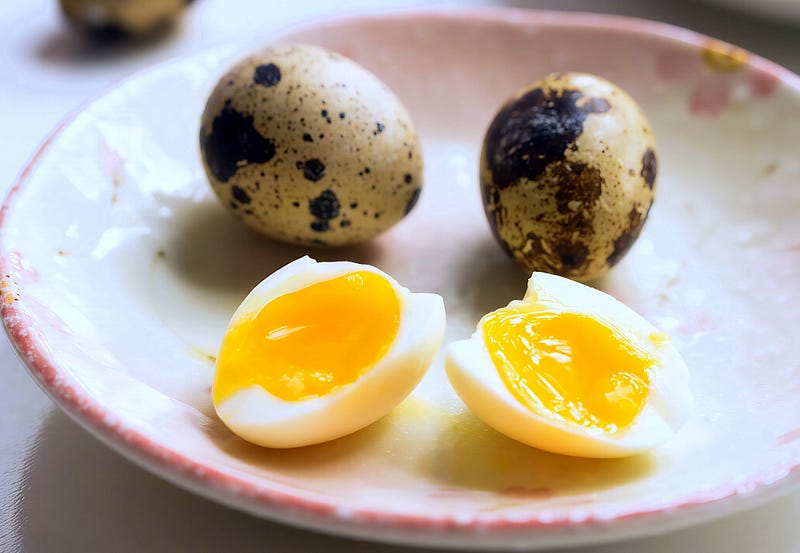
Nutritionally, quail eggs pack a powerful punch. Each one contains about 1.2 g of protein, high levels of vitamin B12, iron, and selenium, and just 14 calories. They are sometimes marketed as “super eggs” for their nutrient density, though their small size means several are needed to match the volume of a chicken egg. Still, their speckled shells and distinctive taste make them a luxury item in many culinary traditions.
Wine Pairings
Pairing wine with quail is a pleasure for any gastronome. The bird’s delicate but flavorful meat benefits from wines that are light enough not to overwhelm, yet structured enough to complement richness. A Pinot Noir, with its earthy notes and subtle fruit, matches beautifully with roasted quail. For Asian-inspired dishes, such as quail glazed with soy or teriyaki, a dry Riesling offers crisp acidity and a touch of sweetness that balances the umami. Sparkling wines, especially brut Champagne, elevate quail served with eggs or in lighter preparations, enhancing both presentation and palate.
Conclusion
The Japanese quail embodies a rare intersection of tradition and modernity. It is a bird of the wild grasslands, yet also a staple of urban dining. It sustains families through small-scale farming while advancing science in laboratories worldwide. As the world looks for sustainable, high-protein foods to meet the demands of a growing population, the Japanese quail offers an elegant solution — a species that proves small can be mighty. Its future, like ours, depends on balancing productivity with conservation, ensuring that this little bird continues to fly through history, culture, and cuisine.