Fragrance of the Tropics: The Botanical and Culinary Allure of Pandan Leaves
Introduction In the dense, humid heat of Southeast Asia, a scent lingers like a green whisper through markets, kitchens, and ancient…
Introduction
In the dense, humid heat of Southeast Asia, a scent lingers like a green whisper through markets, kitchens, and ancient courtyards. It is sweet, grassy, and vanilla-like — both familiar and exotic. This aroma belongs to Pandanus amaryllifolius, the unsung botanical hero behind many beloved dishes and cultural rituals. Often likened to Asia’s answer to vanilla, pandan leaves have been treasured not only for their aromatic essence but also for their multifaceted utility. To understand pandan is to explore the confluence of botany, gastronomy, and ecological wisdom. It is a journey into a leaf that holds memory, identity, and promise.
Taxonomy
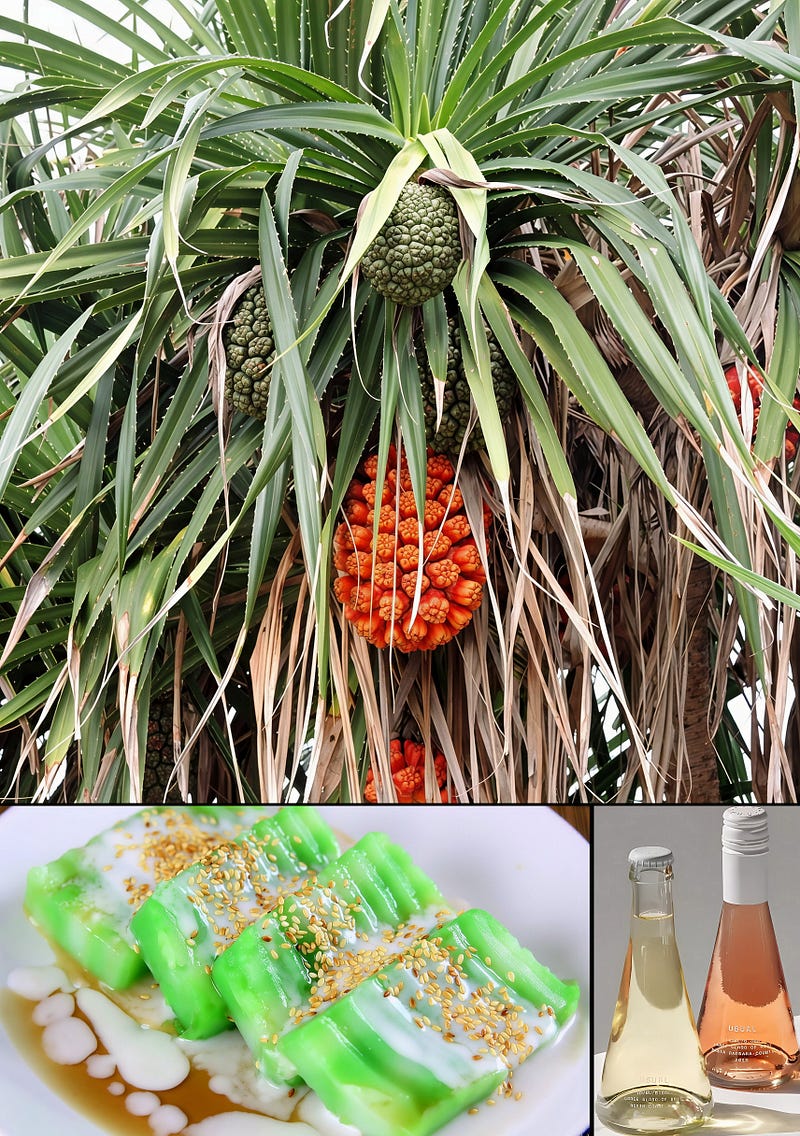
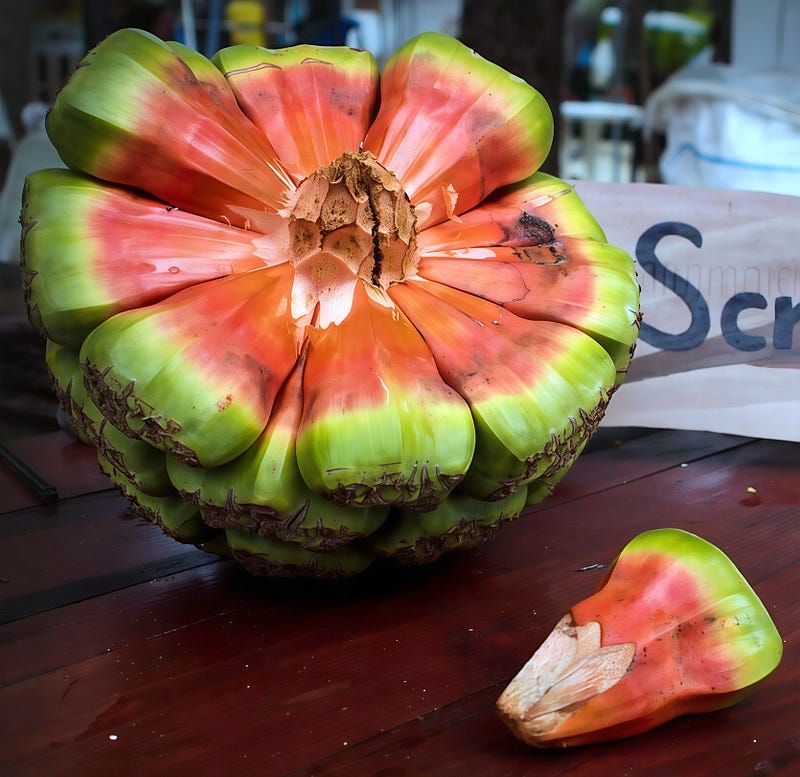
Pandanus amaryllifolius belongs to the Pandanaceae family, a diverse group of tropical monocots comprising over 600 species. While many members of the Pandanus genus are dioecious and bear fruit resembling pinecones, P. amaryllifolius is unique: it is a sterile, cultivated species that does not flower or fruit in the wild and is propagated almost exclusively through cuttings. In English-speaking regions, it is often referred to as pandan or screwpine, although it is neither a pine nor a palm. Known across Southeast Asia by various local names — daun pandan in Malay, bai toey hom in Thai, and lá dứa in Vietnamese — it is the edible, fragrant leaf variety that reigns supreme in kitchens and gardens alike.
Biology
This perennial, strap-leaved plant can grow up to 3.3 ft tall and features spirally arranged leaves that may reach lengths of 2.6 ft. Each leaf is sword-like in form, tapering to a gentle point, and when bruised or crushed, it emits an intensely aromatic compound called 2-acetyl-1-pyrroline — the same chemical responsible for the scent of jasmine rice and baked bread. Pandan thrives in loamy, well-drained soils and warm, humid climates, making it a perfect fit for equatorial latitudes. Unlike many plants, pandan requires human stewardship to persist; its sterile nature means it cannot reproduce without vegetative propagation. This intimate dependence underscores a fascinating symbiosis between plant and cultivator — an ancient pact written in green.
Ecology
Native to southern Asia, particularly Malaysia and Indonesia, Pandanus amaryllifolius is now widely cultivated across South and Southeast Asia, India, and even reaches tropical regions of the Caribbean and Central America. It is typically grown in shaded home gardens, near water sources, or alongside rice paddies. While the species poses no threat of invasiveness due to its sterility, sustainable propagation practices remain essential to prevent monocultures and ensure genetic resilience. Pandan cultivation requires minimal agrochemical input, making it an environmentally sound choice for smallholders and permaculturists alike. In traditional ecological systems, pandan is often grown near other food staples such as turmeric and lemongrass, forming part of a resilient ethnobotanical mosaic.

Uses
Pandan leaves are woven into the cultural fabric of many Asian societies. In Thai and Balinese traditions, they are used as offerings in religious ceremonies. In South India, the leaves are placed in rice containers to impart fragrance and deter pests. Economically, pandan is a key player in local and export markets, particularly in the form of paste, powder, extracts, and essential oils. The plant also features in natural dyes and artisanal weaving. Because the leaves are biodegradable and durable, they are occasionally used as natural food wrappers, echoing a return to sustainable packaging alternatives. While the plant itself is cultivated primarily for personal and local use, there is growing international interest in pandan products as culinary trends become more globalized.
Culinary Aspects
In the kitchen, pandan leaves are as versatile as they are fragrant. When simmered in coconut milk, they transform the base into a heady elixir used in Southeast Asian desserts such as kaya jam, pandan chiffon cake, and klepon. In savory dishes, the leaves are knotted and thrown into rice pots or meat curries, imbuing them with a subtle, vanilla-grassy depth. Pandan chicken — bite-sized marinated morsels wrapped in leaves and deep-fried — is a beloved delicacy throughout Thailand. Nutritionally, pandan offers trace amounts of essential oils, tannins, and antioxidants. Herbalists attribute mild analgesic and antidiabetic properties to pandan tea, although clinical evidence remains sparse. The leaves are rarely eaten directly; instead, their oils and infusions flavor and scent both food and the environment. Their use parallels that of vanilla in Western cuisine, but with a distinctly Asian soul.
Wine Pairings
Pairing wine with pandan is a delicate art that hinges on aromatic harmony and complementary texture. For sweet pandan-infused desserts, such as pandan coconut rice or chiffon cake, a late-harvest Riesling or a Moscato d’Asti offers the perfect counterpoint. These wines’ floral notes echo pandan’s perfume while their acidity balances richness. In savory applications like pandan-wrapped chicken, a lightly oaked Chardonnay or a dry Gewürztraminer provides body and subtle spice that doesn’t overwhelm the leaf’s fragrant whisper. For pandan teas or jellies served with tropical fruits, a chilled Prosecco or Champagne adds effervescence and a celebratory note that lifts the whole experience.
Conclusion
The pandan leaf is more than a botanical curiosity — it is a cultural cornerstone, a culinary muse, and a testament to the intricate relationships humans forge with plants. It reminds us that sustainability doesn’t always shout; sometimes, it hums gently from a green bundle tied around rice, layered into cake, or tucked in a kitchen garden. As global palates evolve and culinary borders dissolve, pandan stands poised to become not just a regional ingredient, but a global icon of aromatic possibility. Whether you encounter it in a Michelin-starred dessert or a village kitchen, the leaf beckons — green, fragrant, eternal.