From Mountain Slopes to Kitchen Tables: The Story of Origanum syriacum, the Levant’s Wild Oregano
Introduction On sun-baked hillsides from southern Turkey to northern Israel, a fragrant plant releases its unmistakable aroma into the warm…
Introduction
On sun-baked hillsides from southern Turkey to northern Israel, a fragrant plant releases its unmistakable aroma into the warm Mediterranean air. This is Origanum syriacum, a herb so deeply woven into the culinary and cultural fabric of the Levant that it is as much a part of the region’s identity as its ancient olive groves. Known commonly as Syrian oregano or biblical hyssop, it is the essential ingredient in the spice blend za’atar, a seasoning older than written history. Yet behind its rustic charm lies a story of ecological adaptation, traditional wisdom, and a modern struggle for sustainability in a rapidly changing climate.
Taxonomy
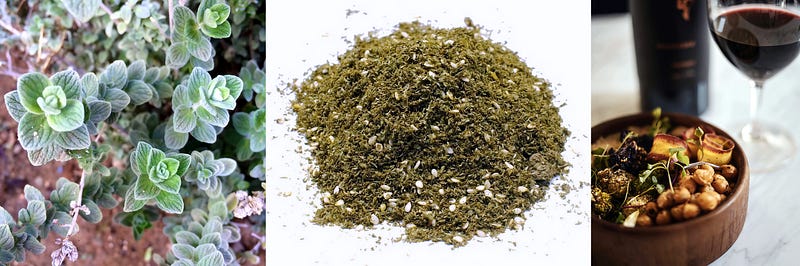
Origanum syriacum belongs to the mint family, Lamiaceae, alongside thyme, rosemary, and lavender. The genus Origanum is home to the various oreganos of the Mediterranean basin, but this species stands apart for its particularly intense fragrance and robust leaves. Common names include Syrian oregano, Lebanese oregano, Bible hyssop, and wild za’atar. While it shares the term “hyssop” with Hyssopus officinalis, it is unrelated to that European herb — a historical naming quirk likely born from biblical translation. Varieties exist across the Levant, each with subtle differences in essential oil composition and flavor strength, often tied to the mineral content of local soils.

Biology
This perennial herb grows as a woody subshrub, typically reaching 30–60 cm in height, or about 12–24 in. Its gray-green leaves are oval, velvety to the touch, and densely packed with oil glands that glisten in bright sunlight. The plant’s flowers, small and white with purplish bracts, appear from late spring to early summer, attracting bees and other pollinators. O. syriacum thrives in poor, rocky soils where other plants would wither, a testament to its drought tolerance. This resilience is due to its deep root system and a protective leaf fuzz that reduces water loss under the 40°C (104°F) heat of midsummer. In cultivation, it is often harvested twice per year, with the first cut producing the most potent flavor.
Ecology
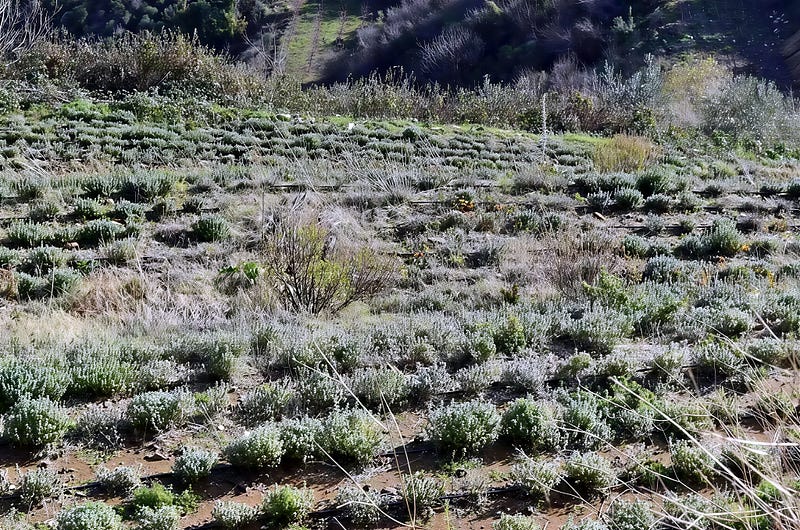
Native to the Levant, O. syriacum occupies dry scrublands, rocky slopes, and open woodlands, often at elevations up to 1,500 m (4,921 ft). It plays a role in stabilizing soils and supporting pollinator populations, particularly native bees, which rely on its summer blooms when other nectar sources are scarce. In some areas, wild populations have declined due to overharvesting, driven by high demand for authentic za’atar. Lebanon, for example, has implemented harvesting restrictions to prevent further depletion. Cultivation has become a sustainable alternative, allowing rural farmers to preserve traditional herb-growing knowledge while reducing pressure on wild stands.
Uses
Beyond its culinary fame, O. syriacum holds economic and medicinal significance. The essential oil, rich in carvacrol and thymol, exhibits potent antimicrobial and antioxidant properties, making it valuable for herbal remedies and natural food preservation. Dried leaves and flowering tops are sold fresh from farmers’ markets or in export-ready packs, generating income for small-scale growers. In sustainable farming systems, it serves as a low-water perennial crop, requiring minimal inputs and resisting many pests naturally. Demand for certified organic za’atar blends has grown internationally, linking traditional herb cultivation with modern niche markets.
Culinary Aspects
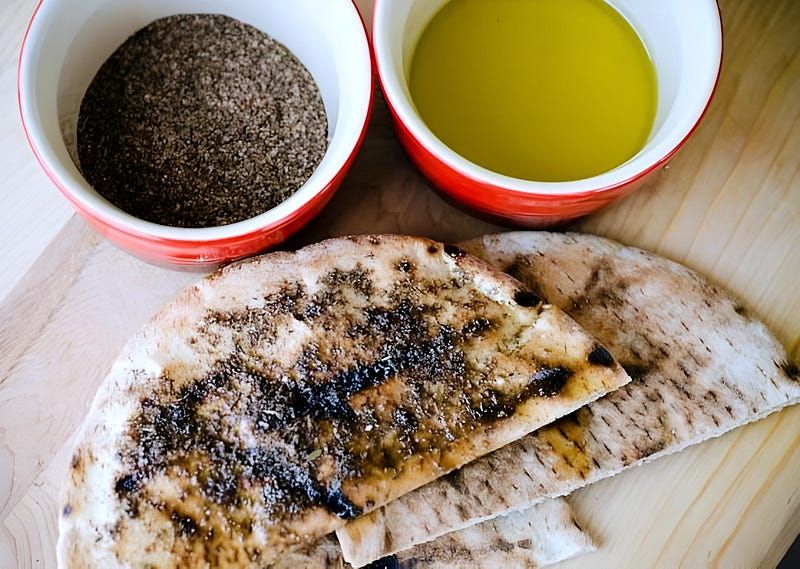
The flavor of O. syriacum is bold yet balanced — a warming herbal depth lifted by a hint of citrus and a peppery bite. Fresh leaves can be used in salads, grilled meats, or as an aromatic garnish, but the dried form, mixed with sesame seeds, sumac, and salt, transforms into the classic za’atar seasoning. A traditional Lebanese breakfast pairs za’atar with olive oil and flatbread, a combination both comforting and nutritionally sound. The herb’s high levels of phenolic compounds contribute not only to flavor but also to health benefits, including anti-inflammatory and digestive support.
Wine Pairings
The earthy, resinous profile of O. syriacum calls for wines that can stand alongside its assertive flavor. A robust Mediterranean red like a Syrah from the Rhône Valley or a Carignan from southern France echoes the herb’s sun-drenched character. For lighter dishes, a crisp Assyrtiko from Greece or a Verdejo from Spain offers refreshing citrus notes that balance the herbal intensity. For za’atar-dusted lamb, a Grenache with ripe fruit and subtle spice creates a harmony reminiscent of the Levant’s culinary landscape.
Conclusion
In Origanum syriacum, we find a plant that embodies both the ruggedness of the Mediterranean hills and the warmth of the kitchens it perfumes. It is a survivor — thriving in heat, drought, and poor soils — and a cultural anchor, linking present-day cooks to thousands of years of culinary tradition. As modern agriculture seeks sustainable, climate-resilient crops, this humble wild oregano offers not just flavor, but a model for enduring abundance. Protecting it, whether in the wild or cultivated fields, means preserving a living piece of the Levant’s heritage, one fragrant leaf at a time.