Gatekeeper of Two Oceans: The Panama Canal and America’s Enduring Strategic Interests
Introduction The Panama Canal is more than a marvel of human engineering — it is a geopolitical chess piece that has shaped and continues…
Introduction
The Panama Canal is more than a marvel of human engineering — it is a geopolitical chess piece that has shaped and continues to influence American defense policy. Since its completion in 1914, this narrow corridor slicing through Central America has served as a lifeline for global commerce and a pivot point for U.S. naval power. As great powers jostle for influence and maritime routes become increasingly contested, the canal’s strategic significance remains undiminished. But with control now firmly in Panamanian hands, the question arises: how does the United States preserve its vital interests in an asset it no longer owns?
A Man-Made Strait with Global Reach
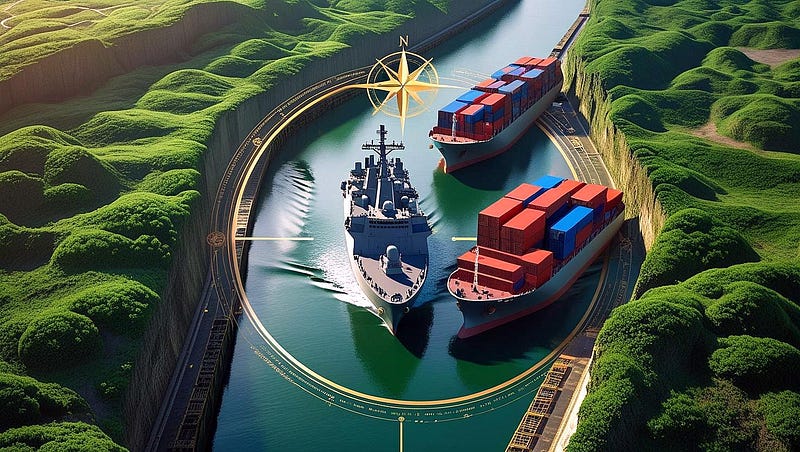
Connecting the Atlantic and Pacific Oceans, the Panama Canal offers an indispensable shortcut for maritime traffic. Each year, nearly 15,000 vessels — carrying roughly 5% of the world’s seaborne trade — thread through its 50-mile path. For ships traveling from New York to Tokyo, the canal reduces the journey by over 8,000 nautical miles compared to the voyage around Cape Horn.
Yet its engineering brilliance belies logistical limitations. The canal’s original locks, reliant on freshwater reservoirs and designed for early 20th-century ships, now face mounting pressure from modern supertankers and mega-container vessels. With bottlenecks becoming routine, especially during dry seasons or high-traffic periods, some ships anchor for days or even weeks before gaining passage. Recognizing these constraints, Panama completed an ambitious expansion in 2016 — adding wider, deeper locks capable of accommodating New Panamax vessels, further underscoring the canal’s criticality in a high-volume global economy.
An Imperial Inheritance: Historical Foundations
The roots of U.S. involvement in the canal run deep. Following Panama’s secession from Colombia — with quiet U.S. backing — the Hay–Bunau-Varilla Treaty of 1903 granted the United States sovereignty over the Canal Zone. For most of the 20th century, America administered, operated, and defended the canal, embedding it into the nation’s logistical and military architecture.
During both World Wars and the Cold War, the canal’s ability to enable the swift transfer of naval forces between oceans became indispensable. From Pacific convoys dodging German U-boats to aircraft carriers repositioned during Korean and Vietnam conflicts, the canal functioned as a strategic time machine, shrinking distances and amplifying American power projection.
The turning point came with the 1977 Torrijos–Carter Treaties, which marked a diplomatic recalibration. These treaties charted a phased transfer of control to Panama, culminating in the complete handover on December 31, 1999. In doing so, the U.S. relinquished its unilateral grip but negotiated conditions to ensure the canal’s permanent neutrality and open access to all nations.
Strategic Interests in a Post-Control Era
Although the stars-and-stripes no longer fly over Miraflores or Gatun Locks, U.S. interests in the canal remain undiminished. The canal’s strategic value to the United States is threefold: military readiness, economic vitality, and geopolitical balance.
Military Readiness
For U.S. naval planners, the canal continues to offer vital flexibility. The ability to redeploy aircraft carriers, destroyers, or submarines from Norfolk to San Diego — or vice versa — in days instead of weeks can mean the difference between deterrence and delay. Whether in deterring aggression in the South China Sea or responding to humanitarian disasters, this mobility is key to maintaining a global presence.
Economic Vitality
Roughly two-thirds of all canal traffic either originates in or is destined for U.S. ports. Agricultural exports from the Midwest, energy shipments from the Gulf, and manufactured goods from the East Coast all benefit from the canal’s passage. Any disruption — whether from geopolitical conflict, cyberattack, or climate-induced drought — ripples across U.S. supply chains, affecting prices, jobs, and security.
Geopolitical Balance
With China investing heavily in Latin American infrastructure and eyeing strategic footholds near the canal, Washington is recalibrating its regional posture. Chinese firms have pursued port developments and logistics hubs in Panama, raising concerns in Pentagon briefings and Senate hearings alike. While the canal remains neutral on paper, the specter of influence looms large.
Policy and Partnership: Guarding the Lifeline
Despite relinquishing direct control, the United States maintains influence through partnership. Post-1999 cooperation includes cybersecurity initiatives, crisis response protocols, and maritime domain awareness programs — all designed to protect canal operations from both state and non-state threats.
Panama, for its part, remains deeply invested in keeping the canal secure and functional. As the country’s economic linchpin, the canal generates billions in revenue and fuels a robust services sector. Joint exercises, intelligence sharing, and collaboration through regional bodies like the Organization of American States help preserve the fragile neutrality upon which the canal depends.
Future Threats and Strategic Vision
As the 21st century unfolds, new challenges threaten to complicate the canal’s role in U.S. defense strategy:
- Climate Stress: Drought conditions linked to El Niño and climate change have already reduced water levels in the canal’s feeder lakes, forcing a reduction in ship transits. Engineering adaptations may be necessary to secure the canal’s long-term viability.
- Cyber Vulnerabilities: As the canal becomes increasingly automated and digitized, it presents a ripe target for cyberattacks. U.S.-Panama cooperation in cyber defense will be critical to preventing sabotage or ransomware shutdowns.
- Great Power Competition: With China’s expanding footprint in the hemisphere, the canal’s symbolic and strategic value may again be tested. Ensuring the canal remains free of foreign military entanglements will require diplomatic finesse and continued investment in regional trust-building.
Conclusion
The Panama Canal remains a silent sentinel at the crossroads of hemispheres — a gatekeeper of trade, a conduit of power, and a test of diplomacy. Though the U.S. no longer owns it, the canal remains inseparable from American defense strategy. Its neutrality, security, and operability are matters not only of economic convenience but of national readiness. As geopolitical tides shift and technological revolutions redefine warfare and commerce alike, the United States must remain vigilant — ever a steward of its maritime future, even on waters it does not directly command.