Golden Dust of Morocco: The Story of La Kama Spice Blend
Some flavors define regions, fragrances that tell the tale of centuries, and colors that seem to hold the sun itself. La kama, a Moroccan…
Some flavors define regions, fragrances that tell the tale of centuries, and colors that seem to hold the sun itself. La kama, a Moroccan spice blend, is one of these treasures. In a single spoonful lies a record of trade routes, cultural crossings, and a people’s genius for weaving flavor from the earth’s bounty. It is not merely a kitchen ingredient. It is a passport to a land where saffron fields meet cinnamon forests, and where old markets still hum with voices bargaining over the gold of spices.
Roots and Classification: A Mosaic of Plants
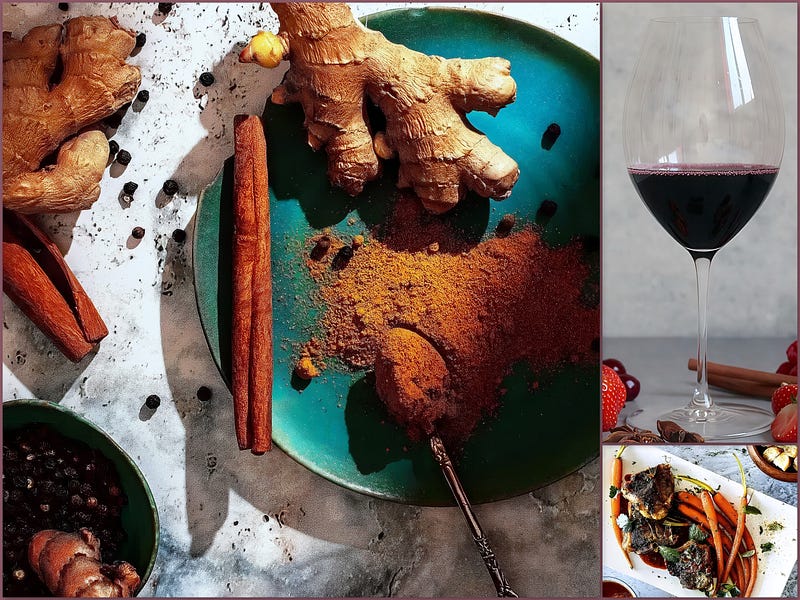
La kama is not a single plant but a symphony of them, a blend traditionally built from turmeric, cinnamon, ginger, nutmeg, and sometimes dried rosebuds or peppercorns. Each component has its taxonomy and heritage. Turmeric, Curcuma longa, belongs to the Zingiberaceae family, related to ginger with its bright rhizome. Cinnamon, Cinnamomum verum, hails from the Lauraceae family, an evergreen whose inner bark becomes the fragrant quill we know. Nutmeg, Myristica fragrans, comes from tropical evergreen trees with seeds that hold aromatic oil. Together, these species form the backbone of La kama, a recipe passed down in Moroccan households for generations, with slight variations that reflect each family’s hand.
Biological Signatures of the Ingredients
Turmeric’s rhizomes stretch underground like golden fingers, harvested after seven to ten months when the plant reaches maturity. Cinnamon trees shed their bark during humid seasons, allowing harvesters to roll thin strips into tight quills. Nutmeg’s glossy seeds are encased in a vivid red aril that becomes mace, a secondary spice. Each plant has adapted to thrive in its environment: turmeric with its high curcumin content that wards off pests, cinnamon with evergreen resilience, and nutmeg with its dual harvest of seed and aril. When combined, their biology becomes alchemy — each element complementing the others in aroma and flavor.
Ecology and Sustainable Origins
These spices journey from varied ecosystems. Turmeric fields thrive in loamy soil with abundant rainfall, about 1,500 mm annually, which is approximately 59 inches of water. Cinnamon groves favor tropical highlands, while nutmeg trees need dense shade and nutrient-rich forest floors. The demand for these spices has sometimes strained their ecosystems, but sustainable farming practices — crop rotation, organic fertilization, and careful harvesting — are now championed in many regions. By choosing La kama blends sourced from cooperatives that prioritize biodiversity, consumers indirectly safeguard pollinators and soil integrity across continents.
Uses and the Marketplace
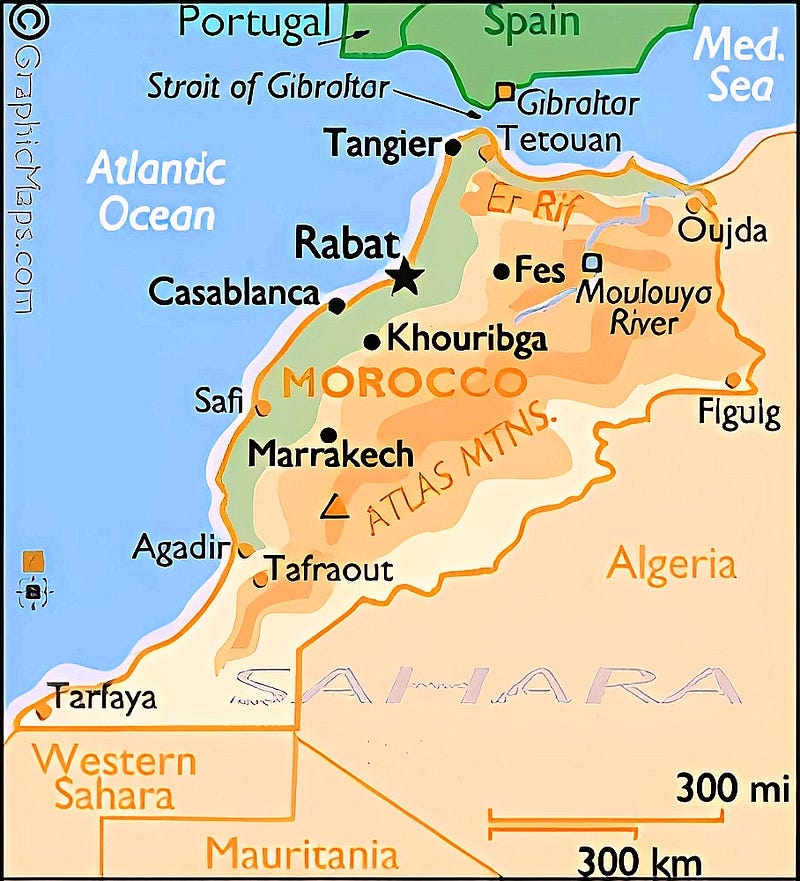
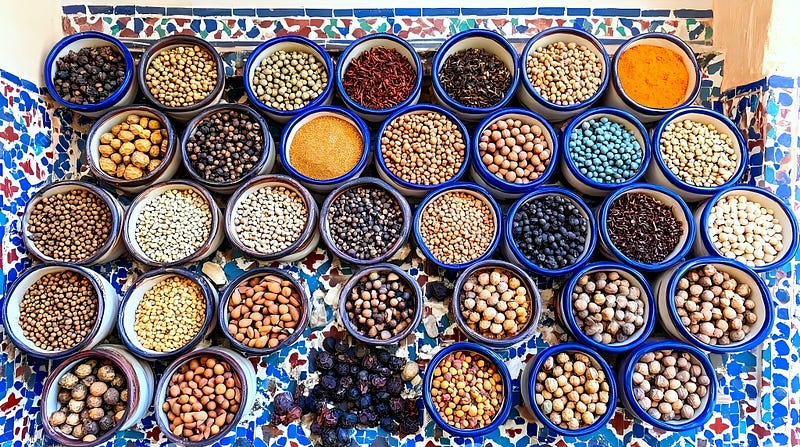
In Moroccan markets, La kama is sold in small linen bags, often measured by the gram or ounce. A vendor may scoop 50 g of the golden mixture, which equals about 1.76 oz, into your waiting hand. Its economic relevance is significant; rural spice farmers and urban spice merchants alike depend on it. Artisans blend their La kama in small batches, which fetch a premium from chefs worldwide. This blend is no longer just a secret of Fez or Marrakech. It travels to Parisian bistros and New York’s farm-to-table kitchens, proof that tradition has currency far beyond its birthplace.
Culinary Alchemy and Nutrition
In the kitchen, La kama performs magic. Sprinkle it over slow-braised lamb shanks, and the meat transforms, glowing with golden undertones and carrying a whisper of sweetness and heat. A simple vegetable tagine becomes a feast, its carrots and chickpeas bathed in turmeric’s earthiness and cinnamon’s warmth. Nutritionally, the blend offers antioxidants from turmeric’s curcumin and cinnamon’s cinnamaldehyde, as well as minerals from nutmeg. A teaspoon, roughly 5 g or 0.18 oz, carries not just flavor but compounds that soothe inflammation and aid digestion.
Wine Companions to the Spice
Pairing wine with La kama requires a balance of boldness and grace. A Moroccan lamb stew spiced with La kama sings alongside a Grenache from the southern Rhône, its ripe red fruit and peppery notes echoing the blend’s warmth. For vegetarian dishes, a lightly chilled Gewürztraminer from Alsace offers floral, lychee tones that harmonize with cinnamon and nutmeg’s sweetness. Even a dry rosé from Provence, with its crispness and herbal whispers, can stand tall next to La kama’s complex bouquet.
A Closing Reflection
La kama is more than a spice blend. It is a living archive of plants and people, of farmers who bend to the soil and merchants who measure out gold by the spoonful. In embracing it, we join a lineage that respects both flavor and the earth. May your next meal carry a trace of this Moroccan sunburst, and may you think, as you taste, of the hands that crafted it and the fields that continue to bloom.