Golden Feathers and Global Plates: The Timeless Allure of the Pekin Duck
The Pekin duck, with its snowy plumage and serene waddle, carries a legacy that spans continents and centuries. It is far more than a…
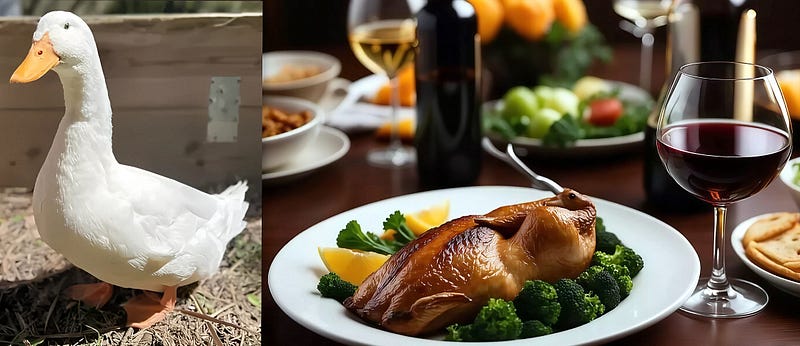
The Pekin duck, with its snowy plumage and serene waddle, carries a legacy that spans continents and centuries. It is far more than a farmyard fixture; it is a culinary ambassador, a living artifact of domestication, and a quiet testament to how humans and animals have shaped each other’s destinies. To understand the Pekin duck is to step into a story where biology meets gastronomy, and sustainability is written between every feather.
A Bird by Any Other Name
Scientifically known as Anas platyrhynchos domesticus, the Pekin duck is a domestic offshoot of the wild mallard, refined over centuries in China before journeying westward in the nineteenth century. Within its lineage lie subtle variations: the White Pekin, prized for its tender meat and prolific egg-laying, and the Jumbo Pekin, bred for rapid growth in modern farms. Its very name evokes culinary reverence in Beijing kitchens and Parisian bistros alike, cementing its place as one of the most sought-after edible duck breeds worldwide.
Biology Beneath the Feathers
The Pekin’s striking white plumage hides a body engineered for efficiency. Its dense down offers insulation that once allowed it to thrive in temperate wetlands, while its short, strong legs and wide, splayed feet provide stability on muddy banks and barnyard pens. A Pekin reaches market weight in just seven to eight weeks, an adaptation shaped by generations of selective breeding. Their gentle temperaments make them ideal for small farms, while their hearty appetites and fast metabolisms ensure impressive conversion of feed to flavor.
An Ecological Companion
Though domesticated, the Pekin duck retains an ecological story. On integrated farms, they are natural foragers, sweeping through rice paddies to feast on weeds and pests, reducing the need for chemical intervention. This ancient practice, still alive in parts of China and Southeast Asia, speaks to sustainability long before it became a buzzword. Properly managed, Pekin populations enrich ecosystems rather than strain them, turning waterlogged fields into thriving mosaics of food and life.
A Legacy in the Marketplace
Pekin ducks are cornerstones of the global poultry industry, accounting for the vast majority of commercial duck meat. Their rapid growth and adaptable diet make them profitable, but this economic triumph comes with responsibility. Producers who follow humane, sustainable practices stand apart in an era when conscious consumers demand transparency. Whether sold as whole birds in bustling markets or processed into confit and pâté for high-end restaurants, the Pekin duck remains a symbol of agricultural ingenuity.
The Flavor That Travels the World
Step into a kitchen where a Pekin duck is roasting and you’ll meet an aroma that stops time. Its meat is succulent, rich without being overpowering, and its golden skin crisps into a lacquered shell that shatters at the touch of a fork. From Peking duck carved tableside with hoisin and scallions, to French-style duck à l’orange, to comforting American farmhouse roasts, this bird invites creativity. Nutritionally, its meat is high in protein and iron, with a depth of flavor that transforms simple meals into feasts.
A Toast to the Bird
Pairing wine with Pekin duck is an art in itself. A classic Peking duck with sweet hoisin sauce finds a soulmate in a medium-bodied Pinot Noir, whose red-fruit brightness cuts through the richness while echoing the dish’s subtle sweetness. For a French preparation with citrus glaze, a dry Riesling sings with acidity and floral notes, lifting the dish to elegant heights. Those daring enough to try duck confit might reach for a bold Syrah, its peppery edge intertwining with the duck’s savory depth.
Looking Ahead
The Pekin duck is more than a creature raised for the table; it is a narrative of domestication, adaptation, and culinary artistry. In an age when sustainability is paramount, the Pekin duck offers a model of how heritage breeds can thrive in harmony with modern demands. When you next encounter that crisp skin and tender meat, consider the centuries of careful breeding, the farmers’ stewardship, and the ecosystems quietly enriched along the way. A humble bird, yes — but one that carries the weight of tradition, innovation, and the promise of a more thoughtful future.