Hawaij: The Spice of Yemeni Hearths and Global Tables
Introduction
Introduction
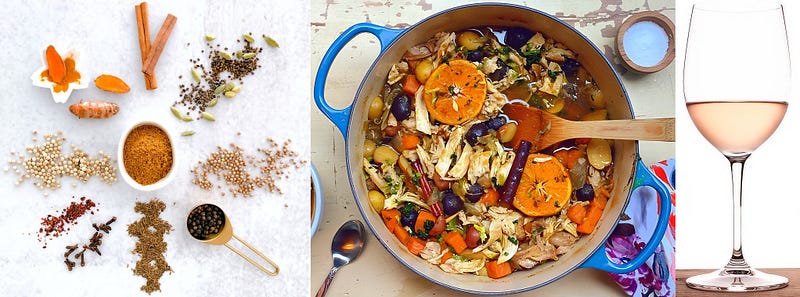
Some flavors feel like whispers of history, and then there are those that roar with the vitality of centuries. Hawaij, a spice blend rooted in Yemeni tradition, belongs to the latter. The spice blend Hawaij (also spelled hawayej or hawayij) is pronounced “huh-WHY-adge”. The “huh” sound is like the “hu” in “hug”, followed by “WHY” with emphasis on the “why,” and then “adge”. It is not a single seed, herb, or root, but rather a tapestry woven from many botanical threads — cumin, black pepper, turmeric, cardamom, coriander, and cloves. Its cultural power lies not only in flavor but in how it binds together ecology, trade, and sustainability. To study Hawaij is to study the plants that form it, the lands that cultivate them, and the people who keep its legacy alive.
Taxonomy
Hawaij is a blend rather than a single species, but its identity emerges from the combined classification of its key components. Cumin (Cuminum cyminum) belongs to the Apiaceae family, black pepper (Piper nigrum) to Piperaceae, turmeric (Curcuma longa) to Zingiberaceae, and cardamom (Elettaria cardamomum) also to Zingiberaceae. Coriander (Coriandrum sativum) shares a lineage with cumin in Apiaceae, while cloves (Syzygium aromaticum) belong to the Myrtaceae family. This cross-pollination of families gives Hawaij its multidimensional character, drawing together the sharp heat of pepper, the resinous sweetness of cloves, and the golden earthiness of turmeric.
Biology
Each ingredient thrives under different biological conditions, forming a global network of agricultural biodiversity. Pepper vines require tropical rainforests, climbing up to 13 ft (4 m) as they seek filtered sunlight. Turmeric grows from rhizomes, flourishing in monsoon-fed soils where 77°F (25°C) temperatures dominate. Cumin, by contrast, prefers semi-arid climates, where its delicate umbels can withstand only moderate rainfall of about 12 in (30 cm) annually. Cardamom, demanding both shade and humidity, grows in the understorey of mountain forests. Together, these plants represent a spectrum of botanical adaptations — some drought-resistant, others rainforest-dependent.
Ecology
The ecology of Hawaij is inseparable from its geography. Yemen historically sat at the crossroads of the ancient spice trade, connecting Indian Ocean cultivation with Mediterranean consumption. The ecological range of its ingredients means that sustainable sourcing now requires global cooperation. Overharvesting threatens wild cardamom in the Western Ghats, while black pepper cultivation strains rainforest ecosystems in Vietnam and Indonesia. Conversely, cumin and coriander — often grown in arid regions of India and North Africa — require less water and are suited for sustainable dryland farming. A balanced approach to cultivation ensures that Hawaij remains both flavorful and ecologically responsible.

Uses
Economically, Hawaij embodies a global commodity system. In Yemeni households, it seasons soups, stews, and coffee. Abroad, it has gained popularity in artisanal spice markets, commanding premium prices as consumers seek authentic, small-batch blends. Its sustainable potential lies in fair-trade systems that protect growers from exploitation, ensuring farmers cultivating 220 lb (100 kg) of cardamom or 55 lb (25 kg) of peppercorns are properly compensated. In contemporary gastronomy, chefs experiment with Hawaij as a rub for lamb, a seasoning for roasted vegetables, or even an aromatic twist in bread doughs.
Culinary Aspects
Hawaij carries two distinct Yemeni profiles: one for savory cooking, one for coffee. The savory blend emphasizes cumin, coriander, turmeric, and black pepper, creating a warm, earthy base with hints of citrus and spice. The coffee blend, by contrast, features cardamom, cloves, and cinnamon, infusing beverages with sweet perfume. In flavor, it is robust but never overwhelming — balancing fire with floral delicacy. Nutritionally, turmeric’s curcumin brings anti-inflammatory benefits, while cumin aids digestion and cardamom supports respiratory health. Cooking with Hawaij transforms meals into experiences, layering depth upon depth until the palate resonates with warmth.

Wine Pairings
Pairing wine with Hawaij requires a careful touch, as the spice’s heat and perfume can dominate. A Gewürztraminer, with its lychee sweetness and aromatic richness, echoes the cardamom and clove notes while taming the pepper. A Grenache rosé complements the turmeric’s earthiness while refreshing the palate between bites of spiced lamb or vegetables. For coffee Hawaij, a fortified wine like Madeira mirrors its resinous, warming complexity. Each pairing underscores how wine and spice, though born of different traditions, can converse across the table.
Conclusion
Hawaij is more than a spice mix — it is a living memory of Yemen’s cultural exchanges, ecological diversity, and culinary innovation. It teaches us that flavor is not singular but collective, a chorus of plants, people, and places harmonized over centuries. As global demand for exotic blends grows, the challenge will be preserving the sustainability of each plant in the orchestra. To savor Hawaij is to taste history, ecology, and hope in every fragrant spoonful.