Inside the Mind of a Serial Killer: Untangling the Biology, Trauma, and Dark Fantasies Behind the…
Introduction Serial killing is one of humanity’s most haunting puzzles — an act that shatters not only lives but our faith in what it…
Inside the Mind of a Serial Killer: Untangling the Biology, Trauma, and Dark Fantasies Behind the Crimes
Introduction
Serial killing is one of humanity’s most haunting puzzles — an act that shatters not only lives but our faith in what it means to be human. Beneath the headlines and the sensationalism lies a labyrinth of biology, trauma, and psychological fractures that, together, forge an offender capable of calculated horror. Understanding these forces is not morbid curiosity; it is a step toward prevention, forensic clarity, and confronting the uncomfortable truths about how violent minds are made.
What Defines a Serial Killer?
Unlike mass shooters or spree killers, serial killers strike over time, with a “cooling-off period” between crimes. This pattern points not to chaos but to deliberate, repeated predation. Far from being psychotic or unaware, most serial killers know exactly what they’re doing. Their crimes often emerge from antisocial personality disorder, psychopathy, sadism, and narcissism — a lethal cocktail of traits that fuel domination and exploitation.
Biology’s Dark Undercurrents
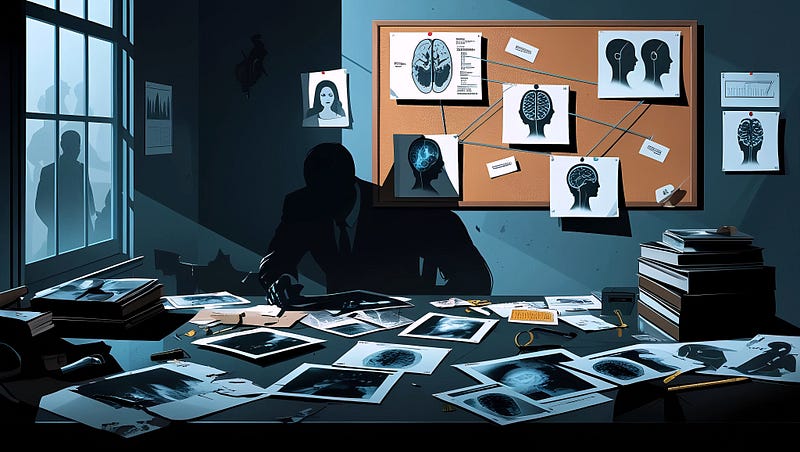
Research into the brains of serial killers has revealed troubling anomalies. Abnormalities in the amygdala — our brain’s emotion and empathy regulator — can blunt compassion and heighten aggression. Low serotonin levels can unmoor impulse control, while certain genetic markers, such as the so‑called “warrior gene,” may heighten violent tendencies when combined with early trauma. Even subtle physical irregularities, such as asymmetrical facial features, sometimes hint at underlying neurodevelopmental issues.
From Childhood Trauma to Fantasy
A striking majority of known serial killers suffered profound abuse or neglect as children. Abandonment, physical assaults, or sexual violence left deep scars that disrupted attachment and trust. Many exhibited the infamous “homicidal triad”: cruelty to animals, fire-setting, and persistent bedwetting. Over time, unresolved rage and humiliation can twist into elaborate violent fantasies — scripts that offer a sense of control and, eventually, demand real-world enactment.
The Machinery of a Killer’s Mind
Psychopathy enables serial killers to manipulate and charm while feeling no guilt. Pathological narcissism adds a corrosive sense of entitlement and grandiosity, while sadistic tendencies transform violence into an eroticized act. These offenders often live in two worlds — outwardly functional, inwardly consumed by fantasies of power and possession.
Patterns and Profiles
Criminal profilers often classify serial killers by motivation:
- Visionary: Claim to act on voices or visions, often disorganized in method.
- Mission-Oriented: Seek to “cleanse” society by targeting a specific group.
- Hedonistic: Kill for sexual pleasure or thrill, often with ritualistic cruelty.
- Power/Control: Seek absolute dominance over victims, prolonging suffering.
- Profit-Driven: Murder for financial gain, often through less overtly violent means.
Interestingly, gender plays a role. Male serial killers often engage in hands‑on violence with strangers, while female offenders are more likely to use poison and target those they know, often motivated by financial gain or perceived mercy.
Real-World Illustrations
- Aileen Wuornos: Her childhood of abuse and abandonment culminated in killings fueled by rage and survival instincts.
- Jeffrey Dahmer: His murders stemmed from profound loneliness, necrophilic fantasies, and a desire for control over his victims.
- Richard Ramirez: Exposure to extreme violence and trauma in youth normalized cruelty and propelled him toward sadistic homicide.
Why Do These Patterns Matter?
The convergence of biological vulnerabilities, traumatic childhoods, and deviant personality structures forms a dangerous feedback loop. Serial killing is not born of one cause, but of many interlocking failures — genetic, social, and psychological. Early intervention in abusive environments, better mental health support, and careful forensic assessment can break this cycle before fantasies turn fatal.
A Path Forward
To move beyond the myth of the “pure evil monster,” we must embrace a more integrative understanding. Continued research into the interplay between brain structure, trauma, and social context will illuminate risk factors and, with time, help society prevent these tragedies. In grappling with the darkest corners of human nature, we not only sharpen our vigilance — we reaffirm our commitment to empathy, justice, and healing.