Lemon Balm: The Fragrant Healer in Garden and Kitchen
Introduction
Introduction
There is a plant whose very name conjures brightness and calm, a herb both humble and profound: lemon balm, Melissa officinalis. For centuries, this aromatic green has occupied a space between medicine and cuisine, folklore and science, delighting beekeepers, monks, and cooks alike. Its lemony fragrance perfumes gardens, while its gentle chemistry soothes the nervous system. Today, as culinary and ecological trends shift toward sustainability, lemon balm deserves rediscovery — not as a quaint relic, but as a vital player in the kitchen, the apothecary, and the wider environment.
Taxonomy
Lemon balm belongs to the mint family, Lamiaceae, a lineage that includes basil, rosemary, and sage. Its genus, Melissa, means “honeybee” in Greek, a nod to the plant’s irresistible attraction for pollinators. The accepted species name is Melissa officinalis, with “officinalis” indicating its long history of medicinal use. Common names include balm, bee balm, garden balm, and sweet balm. Unlike culinary varieties such as basil that branch into multiple subspecies, lemon balm is primarily recognized as a single species, though cultivars have been developed for ornamental or high-oil purposes.
Biology
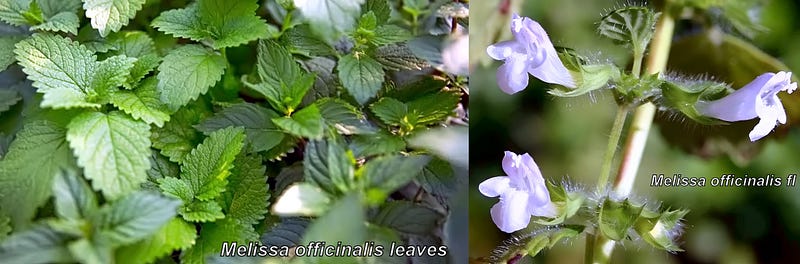
At first glance, lemon balm looks unassuming, with its softly serrated, heart-shaped leaves and square stems — typical features of the mint family. But brush the leaves, and a burst of lemon fragrance is released, sharper and brighter than citrus peel. The plant grows in clumps about 2 to 3 ft tall (60 to 90 cm), producing tiny white flowers in midsummer. It is perennial, thriving for several years when tended, and spreads through rhizomes as well as seed. Adaptations such as volatile oil production protect it from pests, while also endearing it to humans for its scent and calming properties.
Ecology
Native to the Mediterranean and Western Asia, lemon balm has spread across Europe, North America, and beyond, often thriving in disturbed soils, hedgerows, and gardens. Bees flock to its nectar, making it a valuable pollinator plant. Historically, beekeepers rubbed fresh lemon balm leaves on hives to encourage swarming colonies to settle. In ecological gardens, it acts as a companion plant, repelling pests while attracting beneficial insects. Its resilience means it requires little intervention, aligning with sustainable gardening practices. Overharvesting is not generally a concern, but thoughtful cultivation ensures biodiversity, especially in pollinator-rich landscapes.

Uses
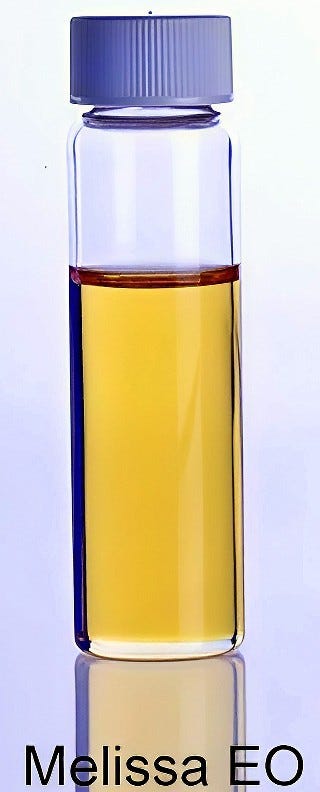
The uses of lemon balm are astonishingly wide. In medicine, it has long been brewed into teas to relieve stress, digestive discomfort, and insomnia. Topical applications extend to soothing insect bites and cold sores. Economically, its essential oil — though rare and costly — finds use in aromatherapy and high-end cosmetics.
In agriculture, it enriches pollinator health. On the sustainability front, lemon balm’s hardiness reduces dependence on synthetic inputs, making it ideal for organic systems. Market demand for herbal teas and wellness products continues to expand, giving lemon balm a steady commercial relevance.
Culinary Aspects
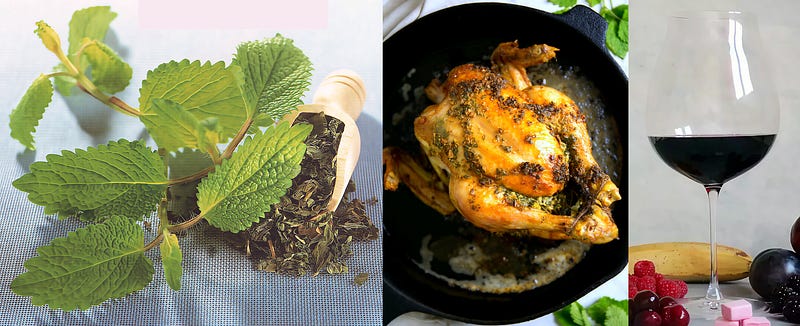
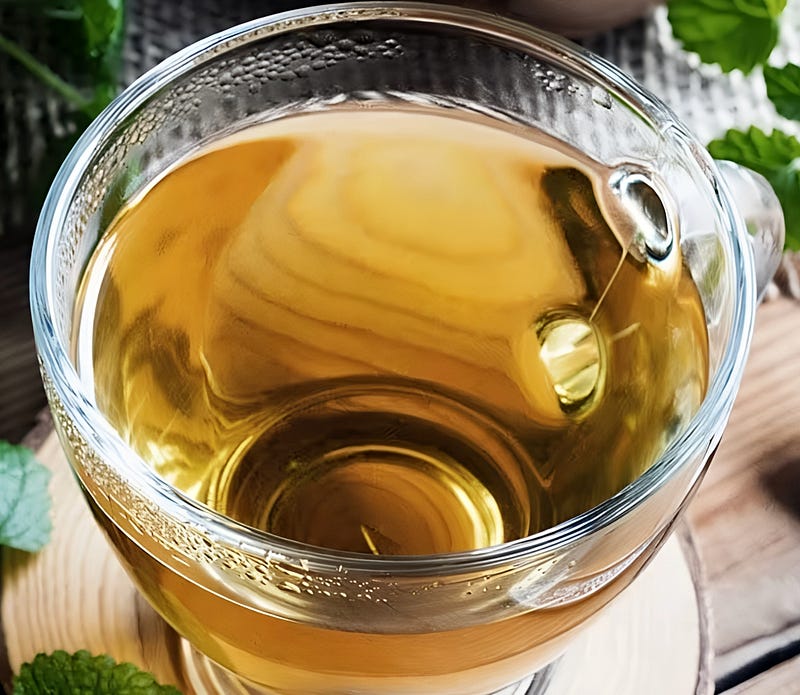
In the kitchen, lemon balm is delicate but versatile. Its leaves, when fresh, infuse salads, fruit dishes, and fish with a lemony lift that is gentler than citrus juice. When dried, its flavor softens, making it a cornerstone of herbal teas. Lemon balm pairs especially well with honey, echoing its etymological ties to bees. Imagine finely chopped fresh leaves stirred into a yogurt dip, or steeped in syrup for cocktails. Nutritionally, it contains antioxidants, flavonoids, and small amounts of rosmarinic acid, contributing to digestive and immune health.
For practical conversions: a tea recipe might call for 1 oz (28 g) of fresh leaves per 2 cups (475 mL) of water. In baking, 0.5 tsp (2.5 g) of dried lemon balm can substitute for lemon zest in muffins. A homemade infusion uses about 3.5 g (0.12 oz) of dried herb in 240 mL (8 fl oz) of hot water, steeped for ten minutes.
Wine Pairings
Pairing wine with lemon balm is about balance: its citrus brightness and herbal depth invite wines that echo freshness without overwhelming subtlety. A crisp Sauvignon Blanc from the Loire Valley resonates with its lemony top notes, while a dry Riesling from Germany complements its floral undertones. Sparkling wines, particularly brut Champagne, elevate lemon balm desserts or herb-infused sorbets. Even lighter reds such as Gamay can work when lemon balm features in savory dishes with poultry or mild cheeses, bridging the herbal and fruity spectrum.
Conclusion
Lemon balm, Melissa officinalis, is more than a kitchen herb. It is a cultural bridge across centuries, a gentle medicine, a beacon for bees, and a sustainable ally for modern gardens. In an era hungry for balance — between pleasure and health, ecology and economy — it offers a simple, fragrant lesson: resilience need not come with austerity, and delight can be deeply sustainable. Perhaps the next time you sip a lemon balm tea or inhale its garden-fresh aroma, you will sense not only a soothing herb but also a quiet teacher in harmony.