Lords of the Cliffs: The World of the Northern Gannet
The Northern Gannet embodies the beauty and fragility of the North Atlantic, its mastery of the sea contrasted with precarious cliffside nesting. Protecting it means safeguarding both an evolutionary marvel and the threatened waters it depends on.
Introduction
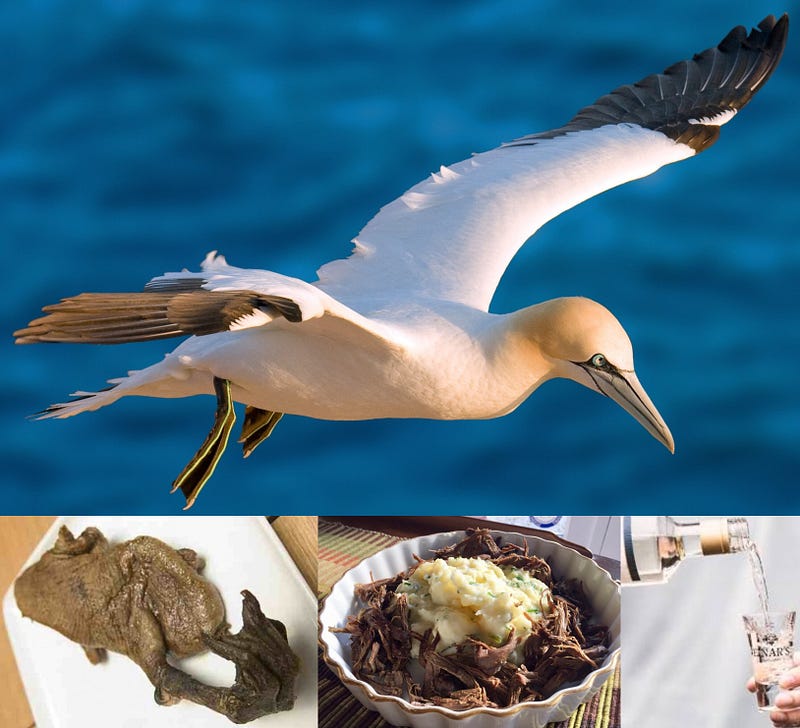
Few seabirds command the skies with the grandeur of the Northern Gannet (Morus bassanus). These striking white birds, with their dagger-like beaks and jet-stream dives, are icons of the Atlantic coastlines. They are more than feathered acrobats — gannets embody the balance of abundance and vulnerability in the ocean, a creature as embedded in the cultural lore of fishing villages as in the biological networks of the sea. To know the gannet is to know both the romance and the harsh arithmetic of marine life.
Taxonomy
The Northern Gannet belongs to the family Sulidae, alongside boobies, their tropical cousins. Its scientific name, Morus bassanus, traces back to the Bass Rock in Scotland, one of the largest gannet colonies in the world. There are three extant species in the Morus genus: the Northern Gannet, the Cape Gannet (Morus capensis), and the Australasian Gannet (Morus serrator). Unlike many wild species that diversify into numerous subspecies, the Northern Gannet remains monotypic, its lineage streamlined and uniform, a testament to its ecological specialization.

Biology
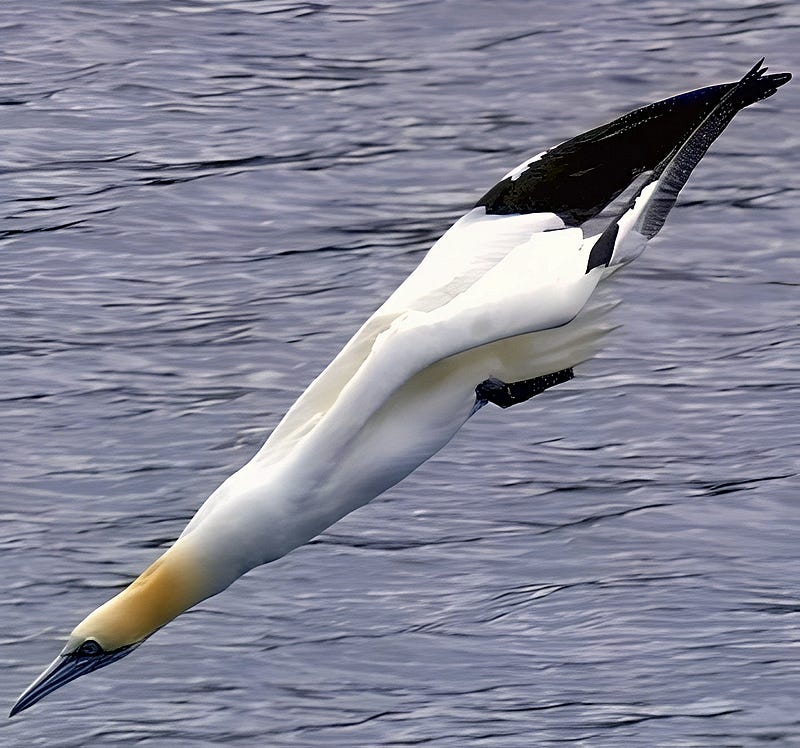
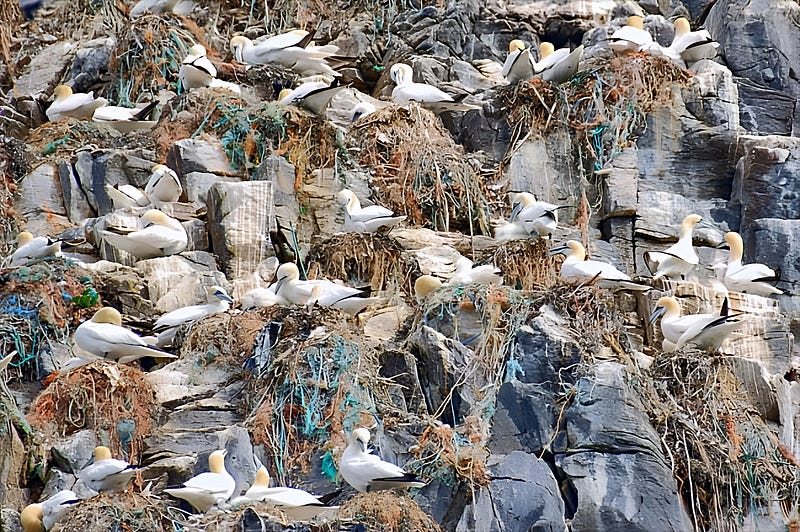
The Northern Gannet is a large seabird, reaching a wingspan of about 6 ft (1.8 m) and weighing close to 7 lb (3.2 kg). Their plumage is mostly dazzling white, set off by black-tipped wings and a golden-yellow wash on the head. They are superbly engineered for plunging dives: air sacs beneath their skin cushion the impact as they hit the sea at speeds of up to 60 mph (97 km/h). Their eyes are placed forward, granting binocular vision and precise targeting of shoaling fish. They breed in dense cliff colonies, where their haunting calls and constant motion give the impression of a living storm. Chicks, known as “gugas” in some Scottish traditions, spend about 13 weeks in the nest before embarking on their maiden flight directly into the sea.
Ecology
Gannets are oceanic hunters, traveling vast distances across the North Atlantic. Their primary diet is small pelagic fish such as mackerel, herring, and sand eels. By controlling mid-level fish populations, gannets play an essential role in marine food webs. Their colonies — numbering tens of thousands of pairs — deposit thick layers of guano, fertilizing cliffside ecosystems. Yet, gannets face mounting threats: overfishing reduces their prey base, and warming seas push fish stocks northward. Plastic pollution and bycatch in fishing nets add further perils. Conservation designations, including their listing under the EU Birds Directive, seek to protect their breeding grounds, though climate change presents the most unpredictable challenge.
Uses
Historically, gannets were not only admired but also harvested. In Scotland’s Outer Hebrides, the annual “guga hunt” on the island of Sula Sgeir endures as one of Europe’s last sanctioned seabird hunts. Each year, about 2,000 gannet chicks are taken, providing meat that is salted, boiled, and sold to a niche market. Advocates call it a sustainable continuation of cultural heritage; critics label it archaic and cruel.
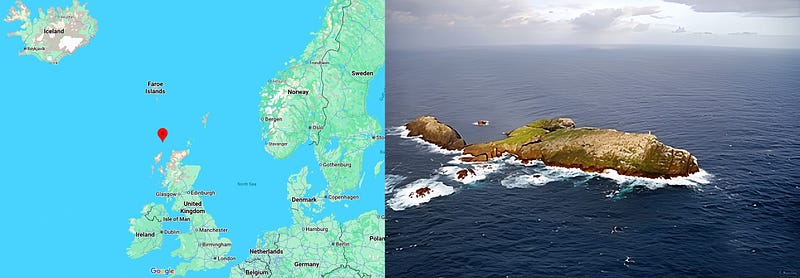
Economically, gannets hold more symbolic than commercial value today, serving as magnets for ecotourism, particularly on colonies such as St. Kilda and Bass Rock, where visitors pay to marvel at skies clouded with white wings.
Culinary Aspects
To modern palates, the gannet is not a delicacy but an acquired taste. Traditional accounts describe guga meat as oily, gamey, and pungent, with a flavor somewhere between fish and goose.
Once plucked and singed over a fire to burn off any remaining fluff, the birds are scrubbed, butchered, and generously salted, then arranged in carefully tessellated piles on the clifftop to pickle in their juices. Not only does this preserve the meat for the months ahead, but gives the guga the distinctive flavour and aroma so prized by connoisseurs — and described by sceptics from outside the islands as “somewhere between rotten leather and fishy beef”.
Nutritionally, it is rich in fat and protein, a valuable resource for islanders in harsher centuries when food was scarce. Today, the culinary role of gannets has receded into folklore, preserved in local rituals rather than restaurants. Nonetheless, the cultural imprint remains strong: to taste gannet is to partake in a living thread of maritime history.
Wine Pairings
While milk is the traditional pairing, the strong, unique flavor of the guga has led some to recommend pairing it with strong alcoholic drinks like full-bodied red wine or even schnapps (as is the custom in the Faroe Islands, where a similar dish is enjoyed). The idea behind these pairings is that the strong flavors and alcohol content can help cut through the greasy richness and intense flavor of the guga. However, it’s worth noting that consumption of guga is extremely limited and primarily confined to the small community of Ness, who are the last to continue this centuries-old tradition.
Should one dare to indulge in gannet cuisine, a wine must rise to the occasion. The bird’s intensely fatty, fishy richness demands wines with high acidity and assertive character. A crisp Chablis from Burgundy, with its mineral backbone and citrus edges, could cut through the oiliness. Alternatively, a chilled Albariño from Spain, known for its saline freshness, would echo the bird’s maritime essence. For the bold, a dry Riesling, with its bracing acidity, provides both contrast and balance to the heavy flavors.
Conclusion
The Northern Gannet is more than a seabird — it is a living emblem of the North Atlantic’s bounty and fragility. It soars as a master of the deep but nests precariously on the cliffs of an uncertain future. In its biology, we see evolution’s artistry; in its human entanglements, we see our struggle to balance tradition, appetite, and sustainability. To watch a gannet plummet into the sea is to witness nature’s poetry in motion — a reminder that beauty and survival are often the same.