Mark Twain’s Philosophy of Humor: A Weapon of Truth Wrapped in Laughter
Mark Twain did not see humor as mere entertainment but as a scalpel cutting through the illusions of society, a balm for the wounds of…
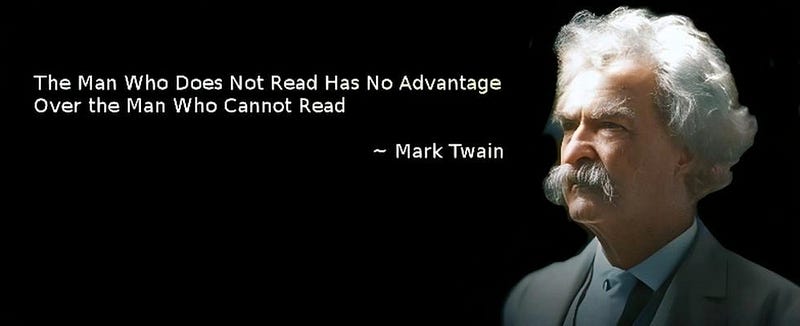
Mark Twain did not see humor as mere entertainment but as a scalpel cutting through the illusions of society, a balm for the wounds of existence, and a mirror reflecting humanity’s follies with merciless clarity. His philosophy of laughter was born not from joy but from sorrow — an idea he crystallized in his assertion that “the secret source of Humor itself is not joy but sorrow. There is no humor in heaven.” For Twain, humor was the necessary antidote to life’s absurdities, a way to soften the jagged edges of reality without denying their existence. He believed that true comedy was inseparable from truth, declaring that “against the assault of laughter, nothing can stand,” recognizing its power to dismantle arrogance, hypocrisy, and blind certainty.
Twain’s humor was never frivolous; it was a Trojan horse carrying moral and philosophical weight. He insisted that “humor must not professedly teach, and it must not professedly preach, but it must do both if it would live forever.” This principle guided his satire, whether he was mocking the cruelty of slavery, the greed of imperialism, or the hollow piety of religious dogma. His wit was not just for amusement but for awakening — forcing readers to see contradictions they had ignored. He understood that laughter could be a weapon, writing that “everything human is pathetic… Humor is the good-natured side of a truth,” acknowledging that comedy thrives where tragedy lurks.
His technique was deliberate. Unlike slapstick or forced jests, Twain’s humor relied on deadpan delivery, the art of “telling a humorous story gravely,” where the teller feigns ignorance of the absurdity. He despised cheap tricks, mocking those who thought misspelling words was a form of comedy, and instead crafted humor from observation, irony, and the sheer ridiculousness of human nature. His jokes were not just funny — they were revelations, exposing the hypocrisies of politics, war, and social norms. When he quipped that “the eagle should keep its talons in its own country,” he wasn’t just making a joke about American imperialism; he was forcing his audience to confront uncomfortable truths under the guise of laughter.
Twain’s philosophy of humor stood in stark contrast to traditional views. Where Plato saw comedy as malicious and Hobbes reduced it to a sense of superiority, Twain framed it as an act of empathy, a way to endure suffering without succumbing to despair. He rejected the idea that humor was mere “fragrance,” insisting it must have substance to endure. And yet, he also warned against overanalyzing it, famously remarking that “explaining humor is a lot like dissecting a frog… in the end, you kill it.” For him, humor’s power lay in its immediacy — its ability to strike before the mind had time to erect defenses.
In the end, Twain’s legacy is that of a humorist who refused to let laughter be trivial. His work proves that the deepest truths can be conveyed with a grin, that the sharpest critiques can be hidden in a punchline, and that humor, at its best, is not an escape from reality but a way to face it without flinching.