Mirra Andreeva’s Tennis Challenges and Solutions
Mirra Andreeva is a Russian professional tennis player, born April 29, 2007, who achieved a career-high singles WTA ranking of №5 on July…
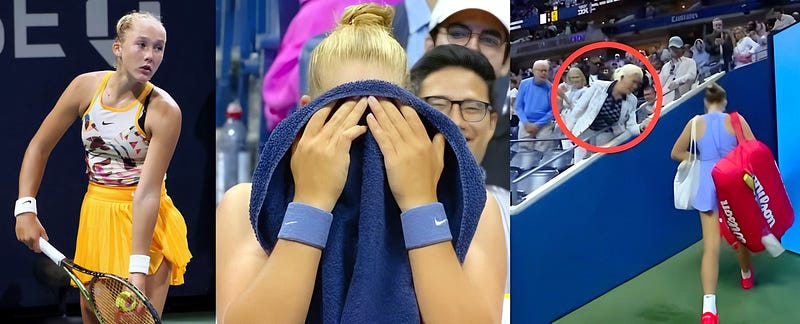
Mirra Andreeva is a Russian professional tennis player, born April 29, 2007, who achieved a career-high singles WTA ranking of №5 on July 14, 2025, and has won three WTA Tour singles titles, including two WTA 1000 events. She made a significant breakthrough in 2024, reaching her first major semifinal at the French Open and winning her maiden career title at the Iași Open, which propelled her into the Top 20. In 2025, Andreeva became the youngest-ever WTA 1000 champion by winning the Dubai Championships and subsequently won the Indian Wells singles title, becoming the youngest player to break into the Top 10 since Nicole Vaidišová in 2007. She earned an Olympic silver medal in women’s doubles at the 2024 Paris Olympics and reached the quarterfinals of Wimbledon in 2025, propelling her into the Top 5. Most recently, on August 30, 2025, Andreeva was defeated by Taylor Townsend in the third round of the US Open.
Mirra Andreeva’s Challenges and Pathways to Improvement
Mirra Andreeva, a talented young tennis player, has faced significant criticism for her on-court behavior and emotional volatility. Below is a detailed analysis of her issues and potential solutions:
On-Court Behavior and Emotional Control
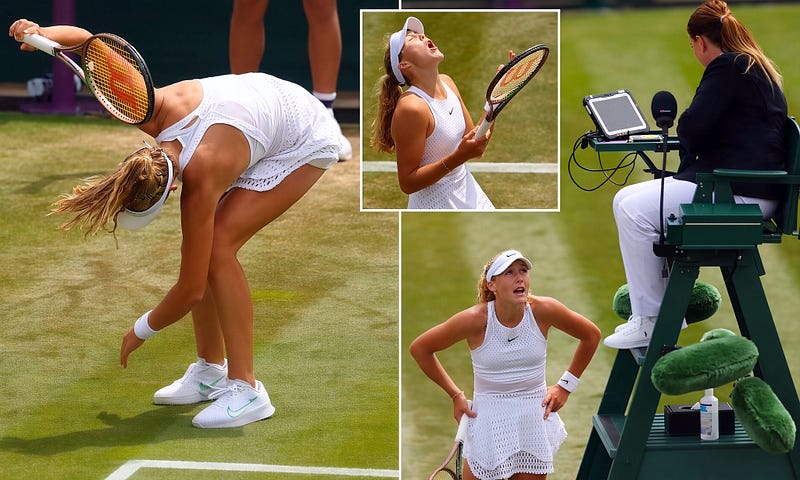
- Repeated Outbursts: Andreeva has been involved in multiple incidents where she displayed frustration, such as hitting balls into the crowd or towards equipment. For example, during the 2025 Berlin Open, she smacked a ball towards the crowd and an LED screen after losing momentum in a match, resulting in a code violation. Similar behavior occurred at the French Open, where she received a code violation for ball abuse and engaged in a heated argument with the chair umpire.
- Racket Abuse: At Wimbledon 2023, she was fined $8,000 for unsportsmanlike conduct, including throwing her racket and refusing to shake the umpire’s hand after a loss.
- Impact on Performance: These outbursts often occur during critical moments, distracting her and contributing to losses. Fans and analysts note that her emotional reactions shift focus away from her game, exacerbating errors and costing her matches.
Pattern of Controversies
- Andreeva’s behavior has been labeled a “trend” in her losses, with incidents reported at various tournaments, including Indian Wells, Roland Garros, and Wimbledon. This pattern suggests a deeper issue with emotional regulation rather than isolated incidents.
External Factors
- Social Media Abuse: Andreeva has faced online harassment, including hateful comments and even threats, which may contribute to her stress and frustration. After a loss at the Miami Open, she shared screenshots of abusive messages, highlighting the intense scrutiny she faces.
- Public Perception: Her actions have drawn comparisons to other players known for their temper, such as Aryna Sabalenka, and have led to accusations of “spoiled brat behavior”.
Psychological and Developmental Considerations
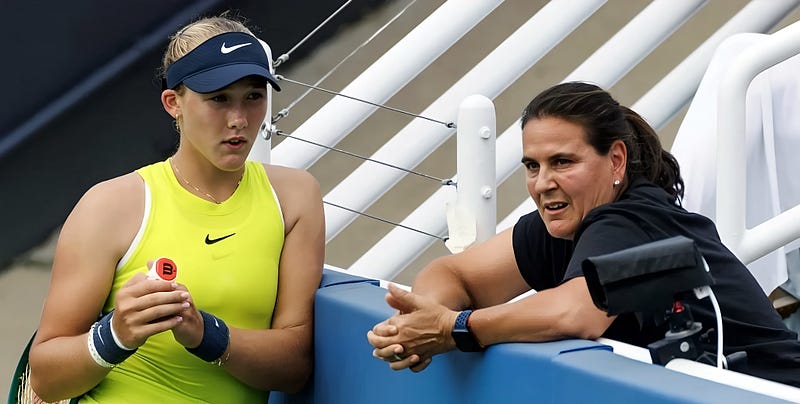
- Age and Pressure: At 18, Andreeva is navigating the pressures of professional tennis at a young age. Her coach, Conchita Martinez, has acknowledged the need for her to develop better coping mechanisms.
- Self-Reflection: Andreeva has shown some awareness of her need for growth, stating she requires “more experience to comment on certain things”. However, this has not yet translated into consistent behavioral change.
Need for a Coaching Change
- Ineffectiveness of Current Guidance: Despite being coached by former champion Conchita Martinez, Andreeva’s pattern of emotional outbursts has not been curbed. This suggests the current coaching team’s strategies for managing her mentality and on-court behavior are ineffective.
- Requirement for a Specialized Mentor: Andreeva may benefit from a completely new coaching team led by a figure known for instilling mental toughness and discipline. A fresh perspective from a coach experienced in working with fiery young talents could provide the structured environment and clear boundaries needed to channel her passion productively.
- Accountability: A new team could make composure a non-negotiable pillar of her training, directly linking her behavior to her development and results, rather than allowing it to be a recurring issue.
Potential Solutions
To address these issues, a multi-faceted approach is necessary:
- Mental Conditioning and Support
- Sports Psychology: Working with a sports psychologist could help Andreeva develop strategies to manage frustration and maintain focus during matches. Fans have suggested “outside-of-tennis help” to address her emotional challenges.
- Emotional Regulation Training: Techniques such as mindfulness, breathing exercises, and visualization could help her stay calm under pressure.
2. Guidance from Mentors and Coaches
- Coach Involvement: Her coach, Conchita Martinez, could play a more active role in reinforcing positive behavior and providing real-time guidance during matches. Some fans have explicitly called for her coach to help her work on her attitude.
- Role Models: Engaging with seasoned players who have overcome similar challenges could provide Andreeva with valuable insights and strategies.
3. Structured Accountability
- Stricter Penalties: Enforcing stricter consequences for repeated offenses, such as disqualifications for ball abuse, could deter future outbursts. Some fans have called for disqualifications for dangerous behavior like hitting balls into the crowd.
- Positive Reinforcement: Recognizing and rewarding matches where she maintains composure could encourage better behavior.
4. Addressing External Stressors
- Social Media Management: Limiting her exposure to toxic online comments and using platforms’ monitoring tools (e.g., the ITF and WTA’s anti-abuse system) could reduce external pressure.
- Media Training: Teaching her how to handle interviews and public expectations gracefully could alleviate some of the stress related to her public image.
5. Focus on Long-Term Development
- Experience and Maturity: Andreeva’s acknowledgment that she needs “more experience” to handle certain situations indicates self-awareness. Allowing her time to grow and learn from mistakes, while providing a supportive environment, is crucial.
- Balanced Schedule: Managing her tournament schedule to avoid burnout could help her maintain physical and emotional stamina.
Conclusion
Mirra Andreeva’s issues stem from a combination of emotional volatility, external pressures, and the challenges of youth. Addressing these will require a supportive yet structured approach, including psychological support, mentorship, and accountability. With the right guidance, she can channel her passion into a successful and respected career.