North Sentinel Island
North Sentinel Island is a remote, reef‑guarded world whose Sentinelese inhabitants have lived in isolation for millennia. Strict laws protect them from contact, disease, and cultural disruption, making the island a rare case of enforced autonomy and global ethical restraint.
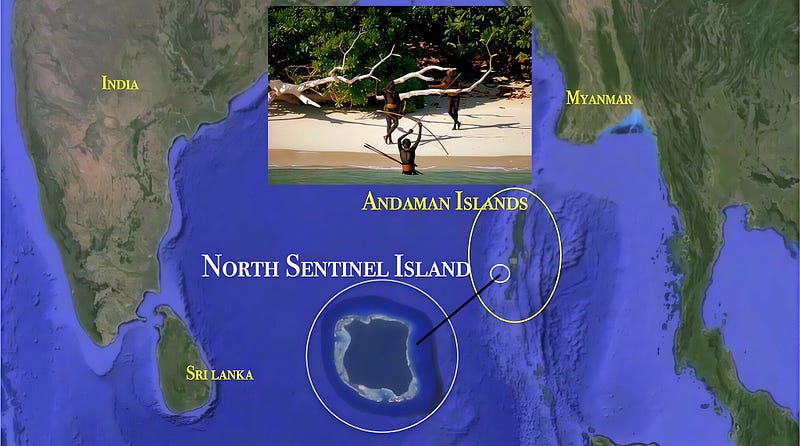
North Sentinel Island, part of the remote Andaman and Nicobar Islands chain in the Bay of Bengal, is one of the world’s most enigmatic places. Famous for its utter isolation and fiercely independent indigenous tribe, the Sentinelese, the island has become a symbol of both mystery and caution in the modern era. Here’s a comprehensive and detailed look at North Sentinel Island, addressing its geography, people, history, laws, and the broader ethical issues that surround it.
Geography and Environment
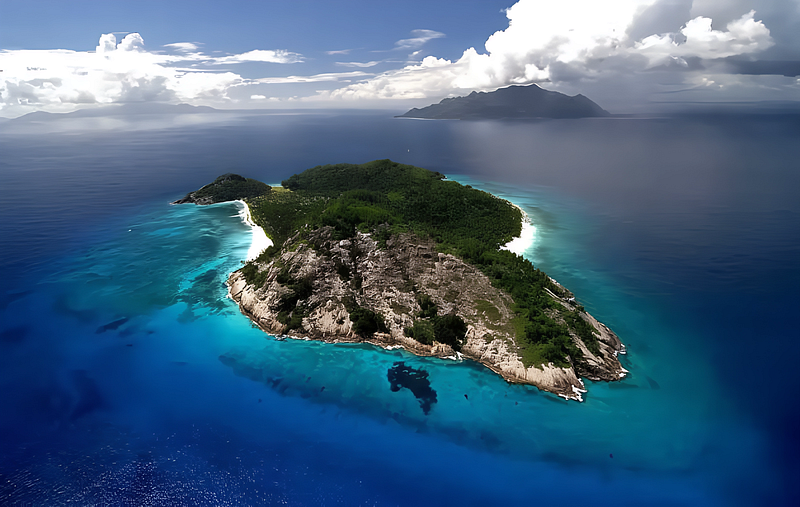
North Sentinel Island is situated approximately 64 kilometers west of Port Blair, the capital of the Andaman and Nicobar Islands. Covering an area of roughly 60 square kilometers, this island is mostly flat and heavily forested, encircled by sparkling coral reefs that naturally bar most large boats from approaching its shores. The coastline is lined with a narrow belt of sandy beach and shallow lagoon, making landfall challenging except for small, shallow-draft vessels. The interior is blanketed in dense tropical evergreen forest, teeming with endemic plants and wildlife. This geographic isolation, combined with the challenging reef barrier, has helped preserve the island’s pristine ecosystem and shield the inhabitants from external influences for thousands of years.
The Sentinelese People
The Sentinelese are considered among the world’s most isolated communities. Estimates of their population vary significantly, with figures ranging from 50 to as many as 200 people; exact numbers are impossible to confirm because no peaceful or sustained contact has ever been made. The Sentinelese are believed to be direct descendants of the first human populations to migrate out of Africa, having lived on North Sentinel Island for over 60,000 years. They are hunter-gatherers, relying exclusively on the island’s rich forests and surrounding reefs for sustenance. Their diet includes fruits, wild plants, roots, and seafood such as fish, turtles, and mollusks. The Sentinelese use bows, arrows, wooden spears, and have demonstrated the ability to adapt metal from shipwrecks into arrowheads or tools. They live in small, communal huts made of leaves and branches and are known for their distinctive canoes used for fishing in the shallow waters around the reef.
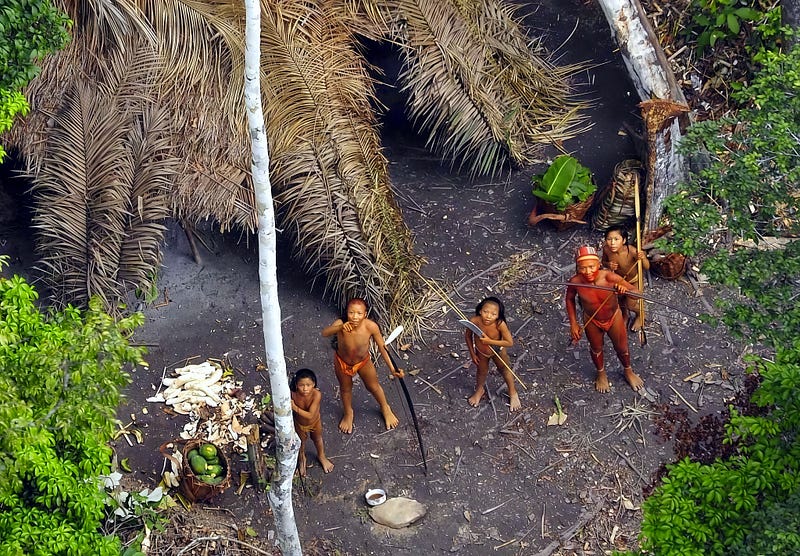
Their language is entirely unknown and unrelated to any other known language. The Sentinelese shun contact with outsiders, actively defending their island from approach by firing arrows or brandishing weapons. All that is known about their social customs, rituals, and beliefs is inferred from distant observation — direct interviews or exchanges have never occurred. Their resistance is believed to stem from repeated traumatic encounters with the outside world that led to disease and violence.
History of Contact
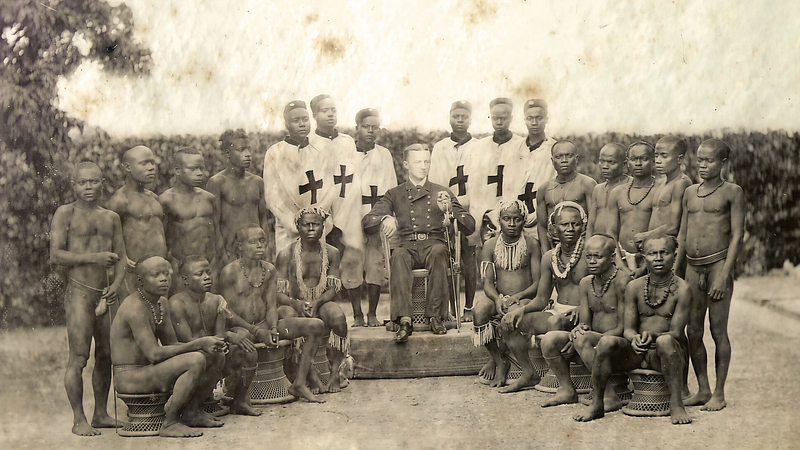
Human encounters with the Sentinelese are marked by misunderstanding, violence, and tragedy. The earliest recorded foreign contact dates back to the late 19th century, when a British colonial officer named Maurice Vidal Portman landed on North Sentinel and forcibly took several islanders to Port Blair. The adults soon died from exposure to common diseases, and the surviving children were returned, likely sowing deep distrust toward outsiders.
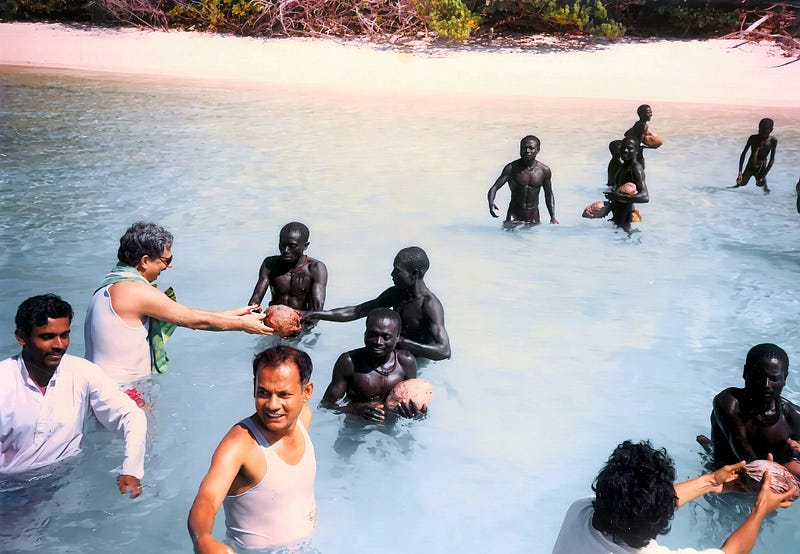
During the 20th century, periodic contact attempts by anthropologists and Indian officials were met with varying degrees of hostility. In the latter part of the century, the Indian government made attempts to establish friendly interactions, occasionally leaving gifts of coconuts and metal. However, these missions proved both dangerous to outsiders and potentially catastrophic for the tribe because of the risk of disease transmission. Contact attempts ceased in the early 1990s following negative incidents.
Recent high-profile incidents have reinforced the risks of intrusion. In 2006, two fishermen who strayed too close to the island were killed by the Sentinelese. In 2018, American missionary John Allen Chau made an illegal and fatal attempt to contact and convert the islanders, highlighting the potentially deadly consequences of ignoring protective regulations. More recent illegal landings have been reported, posing continued threats to both the tribe’s survival and cultural integrity.
Legal Status and Protection
North Sentinel Island is one of the most protected places on earth. Under Indian law, specifically the Andaman and Nicobar Islands (Protection of Aboriginal Tribes) Regulation, 1956, the island and all within a 5-nautical-mile radius are designated as a Tribal Reserve. Unpermitted entry is strictly forbidden. The Indian Navy and Coast Guard vigilantly patrol the waters, deterring would-be visitors and trespassers to safeguard both the islanders and unknowing outsiders. Sentinelese individuals are effectively shielded from prosecution for acts of defense, including lethal force used to repel intruders, recognizing their right to self-preservation.
Risks and Ethical Considerations
Several profound risks and ethical dilemmas arise about North Sentinel Island:
- Disease Vulnerability: The Sentinelese have no immunity to many common pathogens. Even minor illnesses introduced by outsiders could potentially devastate or wipe out the entire population.
- Cultural Integrity: Any contact risks irreparably altering the tribe’s culture, language, social structure, and relationship to their environment. Even ostensibly benign gifts can disrupt traditional practices or create dependence.
- Safety of Outsiders: The islanders’ defensive actions have led to injuries and deaths among the few who have disobeyed legal restrictions. Such incidents reinforce the importance of respecting both indigenous rights and established laws.
- Moral Responsibility: Preserving the autonomy of the Sentinelese touches on broader issues of human rights, historical injustice, and the ethics of scientific curiosity. Global consensus — with rare exceptions — favors “hands off” policies to protect the tribe and their way of life.
North Sentinel Island stands as a unique case study in isolation, indigenous rights, and the global responsibility to protect vulnerable peoples. Its future depends on unwavering respect for its boundaries and the laws that shield one of humanity’s last truly uncontacted societies from the threats of the modern world.