Professional Tennis Player’s Late Night Match Routine
A professional tennis player facing an 11 PM Friday night match navigates a meticulously planned, physiologically demanding day designed to…
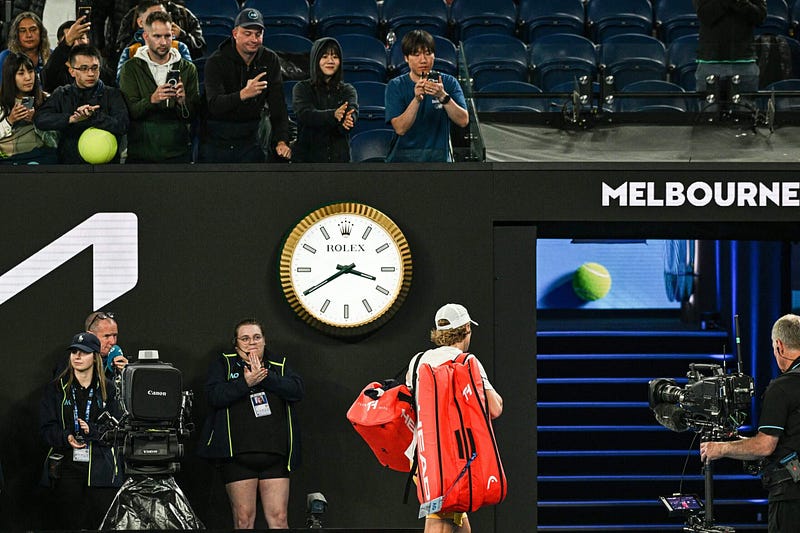
A professional tennis player facing an 11 PM Friday night match navigates a meticulously planned, physiologically demanding day designed to delay peak performance and manage severe sleep disruption. Preparation begins the night before, Thursday, with an early bedtime between 9:00 and 10:00 PM to maximize sleep before adrenaline kicks in. Hydration becomes a critical focus immediately, starting with electrolyte-enhanced water intake targeting clear urine by Friday morning. The player also finalizes their game plan, reviewing opponent footage and tactical notes, such as exploiting specific weaknesses like extreme grip vulnerabilities identified during scouting.
Match day, Friday, starts later than usual, with a wake-up around 8:00 AM to compensate for the late night ahead. A light breakfast emphasizes slow-release carbohydrates like oatmeal combined with eggs, accompanied by a crucial hydration check via urine color. Morning activity includes only thirty minutes of low-intensity cardio, such as cycling or jogging, solely to promote blood flow without causing fatigue. Lunch at 1:00 PM centers on lean protein and complex carbs, like grilled chicken, quinoa, and vegetables. Recognizing the body’s natural afternoon circadian dip, the player incorporates a vital twenty to thirty-minute power nap between 2:00 and 3:30 PM. A dynamic warm-up follows around 4:00 PM, involving joint rotations for ankles, hips, and shoulders, plus shadow swings rehearsing key tactical patterns. Strategic nutrition continues in the afternoon: a banana and electrolyte drink around 3:00 PM provides a glycogen top-up without fullness, and easily digestible rice cakes with almond butter around 5:30 PM offer quick energy.
The evening shift begins with arrival at the venue around 6:00 PM, aiming to avoid crowds. A comprehensive sixty-minute warm-up commences between 6:30 and 7:30 PM, starting with ten minutes of light running, progressing to explosive drills like ladder sprints and medicine ball throws. If possible, tactical scouting occurs here, using a hitting partner to test the opponent’s suspected weaknesses, such as vulnerability to high backhands. The critical pre-match meal is consumed at 8:00 PM, consisting of a small portion of pasta with turkey and steamed veggies; any planned caffeine intake is timed for precisely ninety minutes before the match. The final hour before taking the court, from 9:00 to 10:00 PM, is dedicated to mental preparation. This involves visualization of key points and controlled breathing exercises using techniques like the 4–7–8 method, alongside consistent hydration checks involving sips of an electrolyte drink every fifteen minutes.
Approaching match time at 11:00 PM, the player performs a final warm-up with resistance bands at 10:45 PM. During the match itself, strict routines govern every moment. Between points, fixed rituals like specific ball bounces or string adjustments maintain intense focus. During changeovers, hydration continues with water and electrolytes, and applying a cold towel to the neck helps regulate core temperature; crucially, the player avoids overthinking tactics at this stage. Post-match recovery starts immediately after the final point, often stretching into the early hours of Saturday (1:30–2:30 AM). This includes a ten-minute light jog to clear lactic acid and consumption of a protein shake within thirty minutes of match completion, followed by the mandatory fifteen-minute media or press session.
Returning to the hotel around 3:30 AM, the player strictly avoids screen time to preserve melatonin production. Recovery protocols commence at 4:00 AM, involving foam rolling major muscle groups like quads, calves, and shoulders, followed by static stretching with twenty-second holds. A light carb and protein snack, such as Greek yogurt with berries, is consumed around 4:30 AM. Sleep finally begins around 5:00 AM, aided by blackout curtains and white noise, typically lasting only five to six hours. The player wakes gradually around 11:00 AM the next day, Saturday, focusing intensely on re-syncing their circadian rhythm for subsequent matches, with practice reduced to light hitting.
This demanding schedule highlights significant challenges: severe sleep disruption limiting rest to five or six hours, complex meal timing shifted later in the day while avoiding heavy food after 8:30 PM to prevent sluggishness, and a profound jet-lag-like effect confusing the body’s day/night cycle, requiring strict light exposure management. The support team is indispensable, with a physiotherapist on standby for post-match massage and a sports psychologist aiding mental reset. Pro players adapt uniquely, like Andy Murray prioritizing immediate blister treatment and securing a three-hour sleep window over media obligations after his famous 4 AM finishes, or using the brief pre-match warm-up rally to observe an opponent’s movement limitations on wide balls. Success hinges on treating the late-night match as a major circadian disruption event, demanding meticulous control over hydration, nutrition, preparation, and recovery.