Qâlat Daqqa: The Fragrant Alchemy of Tunisia’s Forgotten Spice Symphony
Introduction Tucked within the sun-soaked markets of Tunis, amid wafts of cumin and the briny kiss of Mediterranean air, lies a quiet…
Introduction
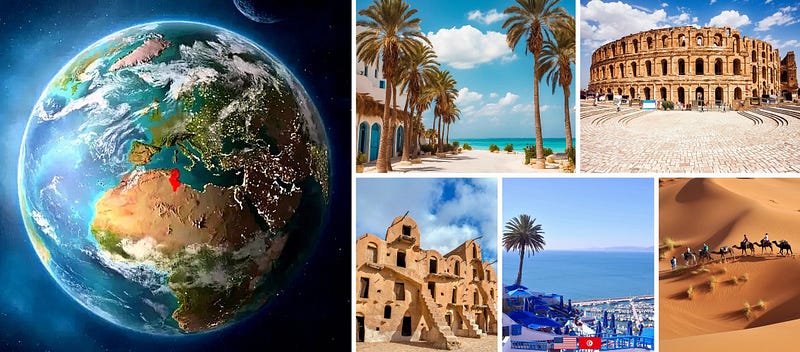
Tucked within the sun-soaked markets of Tunis, amid wafts of cumin and the briny kiss of Mediterranean air, lies a quiet culinary titan — Qâlat daqqa, Tunisia’s five-spice blend. This aromatic medley of toasted seeds and exotic warmth is more than a kitchen staple; it is a botanical narrative of trade, culture, and biodiversity. While the Western world lionizes Chinese five-spice, Qâlat daqqa remains an unsung hero, blending centuries of agricultural know-how with a flavor profile so complex it borders on poetic. This is not merely a spice mix. It is Tunisia’s olfactory fingerprint.
Taxonomy
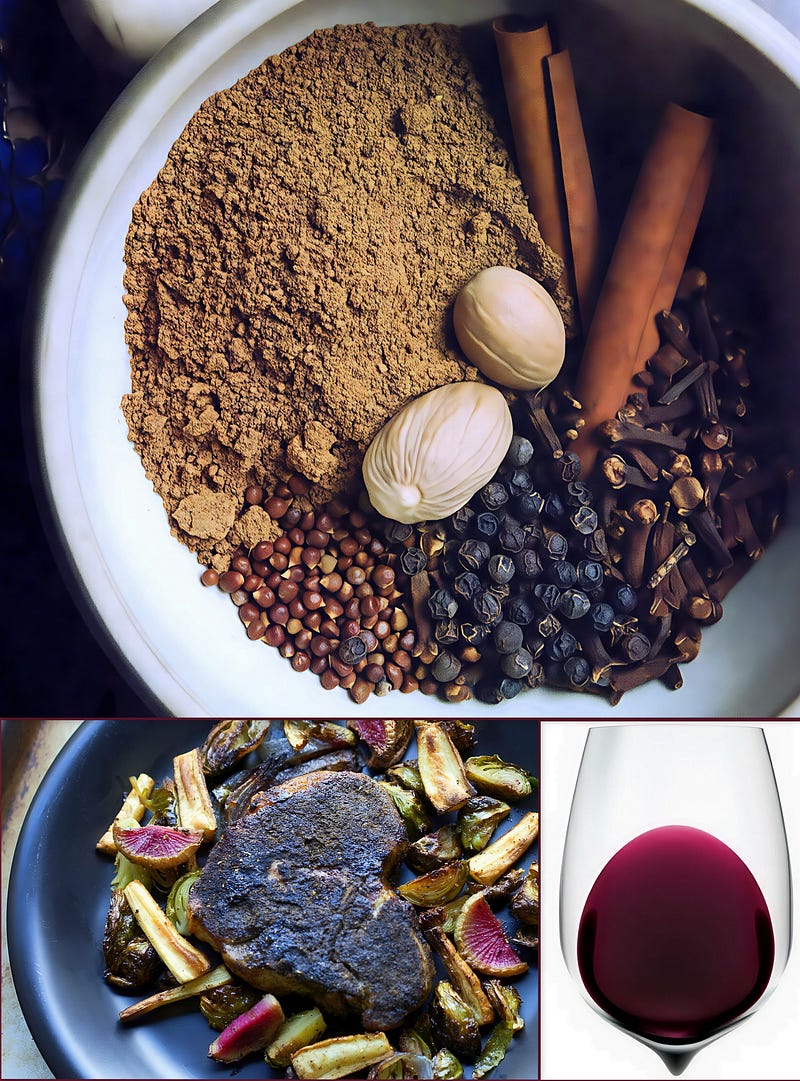
Unlike a singular botanical species, Qâlat daqqa is a compound entity. Its typical components include cloves (Syzygium aromaticum), nutmeg (Myristica fragrans), cinnamon (Cinnamomum verum), black pepper (Piper nigrum), and grains of paradise (Aframomum melegueta), though some regional variants introduce allspice or dried rose petals. Each of these species belongs to distinct botanical families — Myrtaceae, Myristicaceae, Lauraceae, Piperaceae, and Zingiberaceae, respectively. The blend is hand-ground in small quantities to preserve its volatile oils, and no two family recipes are precisely the same. This taxonomic heterogeneity is a feature, not a flaw — it is the edible form of biodiversity.
Biology
The biology of Qâlat daqqa’s components reveals a fascinating adaptation to tropical and subtropical biomes. Nutmeg trees produce a fleshy fruit with two distinct spices: nutmeg and mace. Clove trees, native to the Maluku Islands, are evergreen and flower year-round, with flower buds harvested and sun-dried. Black pepper vines bear drupes that are picked just before ripening and dried to concentrate piperine, the compound responsible for pepper’s bite. Each seed or bark has evolved to deter predation and attract pollinators, yet when toasted and ground, their chemical defenses become a culinary delight. It’s a lesson in natural transformation — heat unlocking hidden complexity.
Ecology
The ecological footprint of Qâlat daqqa is global but rooted in sustainability — when done right. These spices were once bartered across deserts on camel caravans and loaded into Venetian galleons. Today, ethical sourcing matters more than ever. Clove plantations in Zanzibar now emphasize agroforestry. Pepper farms in Kerala shift to organic practices. Grains of paradise, often wild-harvested in West Africa, require careful stewardship to avoid depletion. Tunisia itself acts as a final curator — a blending ground rather than a cultivation source. Supporting smallholder farms, regenerative agriculture, and fair trade programs ensures that this ancient blend doesn’t come at the cost of future soil or labor equity.
Uses
Though a culinary staple, Qâlat daqqa is also an economic microcosm. In Tunisia, it is sold in small sachets at souks or ground fresh at home. Abroad, it is increasingly bottled by niche spice purveyors targeting diaspora kitchens and gourmet chefs. Its applications range from meat rubs and tagines to date-filled pastries. Market-wise, the blend intersects several lucrative sectors: ethnic foods, artisanal cooking, sustainable sourcing, and wellness, as many of its ingredients boast antimicrobial and anti-inflammatory properties. As Western palates lean toward bold, global flavors, Qâlat daqqa stands ready to expand beyond North African shelves.
Culinary Aspects
The taste of Qâlat daqqa is as layered as a mosaic — sweet, spicy, smoky, and floral. A lamb shoulder coated in it and slow-roasted melts into perfume. Carrots glazed with a touch of butter and Qâlat daqqa become candy for adults. It even finds its way into confections, where its earthy sweetness deepens the flavor of fig cakes or date bars. In Tunisia, it perfumes couscous and spiced teas alike. Nutritionally, the blend offers benefits: cinnamon regulates blood sugar, cloves possess eugenol for anti-inflammatory support, and black pepper enhances the bioavailability of other nutrients. In just 0.5 oz of the blend, you carry a legacy of medicinal and culinary ingenuity.
Wine Pairings
Pairing wines with Qâlat daqqa’s assertive profile requires balance and contrast. For savory meat dishes — particularly lamb or beef — opt for a Grenache or Syrah from the Rhône Valley. Their plum and pepper notes harmonize beautifully with the spice mix’s deeper tones. For desserts incorporating Qâlat daqqa, consider a late harvest Muscat or a Moroccan vin gris. The floral and slightly syrupy character complements nutmeg’s sweetness and the camphor kiss of clove. If the spice blend veers heavier on grains of paradise, a Gewürztraminer with lychee and spice undertones finds an echo. Let the wine either match the spice’s assertiveness or soften it with clean acidity.
Conclusion
Qâlat daqqa is more than spice — it is tradition ground into dust, legacy bottled in amber jars. In a culinary world dominated by fusion and reinvention, this ancient blend offers a grounded alternative: complexity born not of novelty, but of reverence. As consumers seek both sustainability and authenticity, Qâlat daqqa invites them into a North African kitchen where trade winds once blew, and the pestle still sings against the mortar. To taste it is to remember the old ways — honest, fragrant, and fiercely alive.