Randhuni: The Hidden Jewel of South Asian Flavor and Botany
Introduction
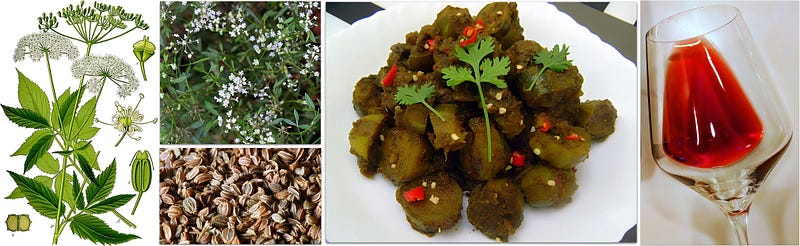
Introduction
Every cuisine has its secret keepers, those ingredients that linger in the shadows of the spice cabinet, shaping entire flavor traditions without global recognition. Randhuni, known botanically as Psammogeton involucratus, is one such treasure. Revered in parts of Bengal, where a pinch can turn a humble lentil soup into a masterpiece, this spice carries both cultural depth and ecological intrigue. To explore Randhuni is to step into the borderlands between botany, gastronomy, and sustainability.
Taxonomy
Psammogeton involucratus belongs to the Apiaceae family, which also includes celery, fennel, cumin, and coriander. Its close relatives are better known in global spice markets, but randhuni stands apart with its localized fame. Commonly called randhuni in Bengal, it is often confused with ajwain (Trachyspermum ammi), though the two differ in taste and application. Unlike coriander or cumin, it has not been widely commercialized, remaining rooted in regional traditions and small-scale cultivation.
Biology
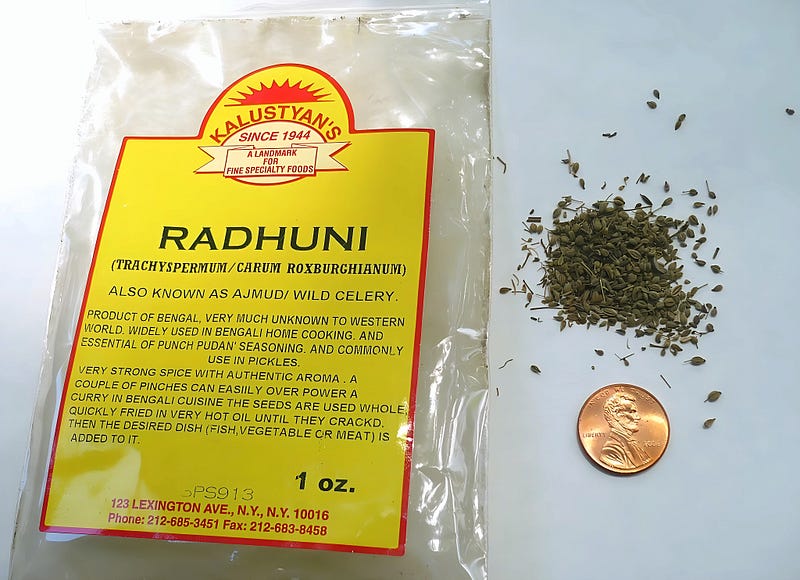
Randhuni is a small annual herb with delicate stems and umbels of flowers typical of the Apiaceae family. Its seeds are the most sought-after part, tiny and aromatic, resembling ajwain but with a softer contour. The plant thrives in warm climates, adapting well to sandy soils where many others fail — hence its genus name Psammogeton, which reflects its sand-loving nature. The seeds mature toward the end of the plant’s brief life cycle, harvested and dried for culinary use. A mere 0.75 oz (21 g) of randhuni seeds can season several dishes, showing the plant’s concentrated aromatic power.
Ecology
Native to South Asia, Psammogeton involucratus grows in regions with hot summers and well-drained soils. Its resilience in sandy, marginal soils makes it a valuable species for maintaining biodiversity in areas vulnerable to soil erosion. In traditional agricultural systems, randhuni requires minimal irrigation, often flourishing with just 2.5 cm (1 in) of rainfall in the right season. Such low resource demands give it potential as a sustainable crop, especially in areas where water scarcity threatens conventional spice farming.

Uses
Beyond the kitchen, randhuni has long been associated with folk medicine. It is said to aid digestion and soothe inflammation, aligning with the therapeutic uses of its Apiaceae cousins. Economically, randhuni remains a niche spice. Unlike black pepper or turmeric, it rarely travels far from local markets, but therein lies its charm — it represents terroir and heritage. As consumers grow more interested in underutilized crops and regional flavors, randhuni may find itself poised for revival, much like how quinoa and turmeric once surged into global consciousness.
Culinary Aspects
In Bengali cooking, randhuni is not just a spice but an identity marker. It often stars in “panch phoron,” the five-spice blend that defines the regional palate, alongside fennel, cumin, mustard, and fenugreek. When added to hot mustard oil, the seeds release an aroma that is at once sharp, herbal, and faintly bitter, reminiscent of celery seed but more pungent. A teaspoon (about 2.5 g) of randhuni can transform lentils, stir-fries, and fish curries, lending them the distinct character of home cooking in Bengal. Nutritionally, the seeds carry essential oils, antioxidants, and trace minerals that support digestion, echoing the health benefits attributed to their family members.
Wine Pairings
Pairing wine with randhuni-laced dishes requires sensitivity to its sharp, herbal tones. A crisp Sauvignon Blanc from New Zealand, with its grassy and citrusy notes, complements Randhuni’s earthy bitterness. Alternatively, a dry Riesling from Germany balances the spice’s pungency with acidity and a touch of fruit sweetness. For red wine lovers, a light Pinot Noir works best, its subtle tannins harmonizing with fish curries or lentils seasoned with randhuni.
Conclusion
Randhuni (Psammogeton involucratus) may never dominate global spice racks like cumin or coriander, yet its quiet presence tells a richer story. It is a reminder that biodiversity thrives in the margins, that flavor traditions are sustained not by global trade alone but by local memory and care. To embrace randhuni is to honor the delicate interplay between ecology, culture, and cuisine — an invitation to taste beyond the familiar and rediscover the roots of flavor itself.