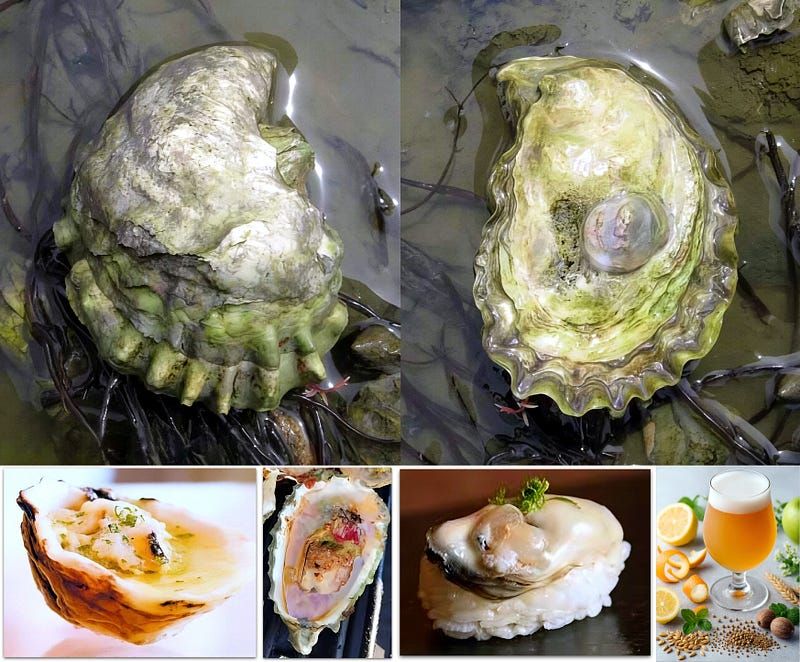
Resin of the Gods: The Story of Mastic Gum and Its Ancient Tree
Introduction
Introduction
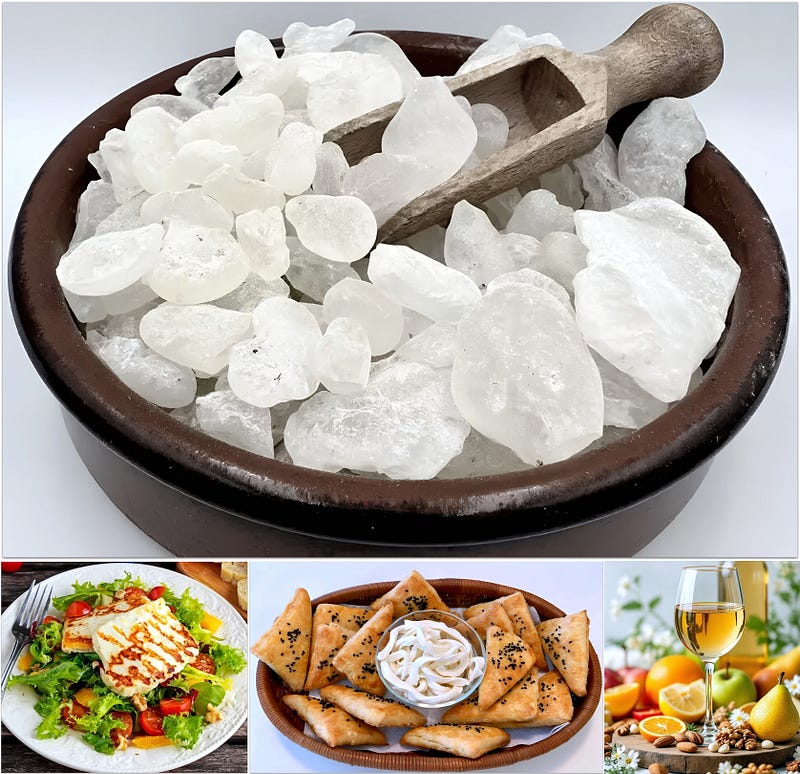
In the rocky landscapes of the Mediterranean, one evergreen shrub has shaped both culture and cuisine for over two millennia. The mastic tree (Pistacia lentiscus), a member of the cashew family, is prized not for its fruit but for its aromatic resin — mastic gum. From healing temples of ancient Greece to Michelin-starred kitchens, this tree’s influence transcends botany. Today, as climate change threatens fragile ecosystems, the mastic tree stands as both a culinary treasure and a model of sustainable resilience.
Taxonomy
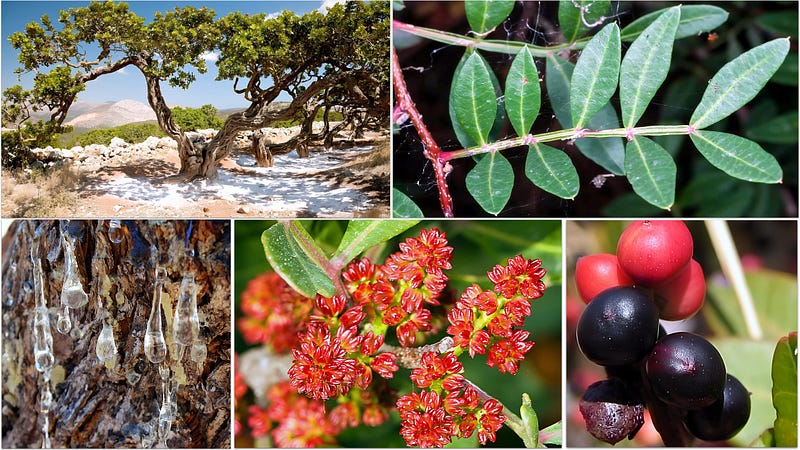
The mastic tree belongs to the family Anacardiaceae, alongside pistachio (Pistacia vera) and sumac (Rhus coriaria). Its full classification is: Kingdom Plantae, Order Sapindales, Genus Pistacia, Species P. lentiscus. Within the species, Pistacia lentiscus var. chia — native to the Greek island of Chios — produces the finest resin. Locally, it is known simply as “mastiha,” a name that carries both culinary and cultural weight.

Biology
This hardy shrub grows to 3–4 m (10–13 ft) in height but can reach 6 m (20 ft) under optimal conditions. It thrives in poor, dry soils, clinging to limestone cliffs where other crops fail. Its evergreen leaves are leathery and glossy, while small red drupes ripen into black berries. Resin production begins when the bark is carefully scored. Droplets of sap harden into translucent “tears” that can be harvested, chewed, or distilled. The tree matures slowly, requiring up to 5 years before yielding resin, and can live for centuries with careful management.
Ecology
Native to the Mediterranean basin, P. lentiscus stabilizes fragile coastal soils and provides shelter for wildlife. It is drought-tolerant, adapted to rainfall as low as 300 mm (12 in) annually, and withstands temperatures over 40°C (104°F). Resin tapping is sustainable when performed with traditional methods, as the wounds heal and resin flow resumes each season. In Chios, UNESCO has recognized the “mastic villages” where cultivation and harvest remain tied to community identity.

Uses
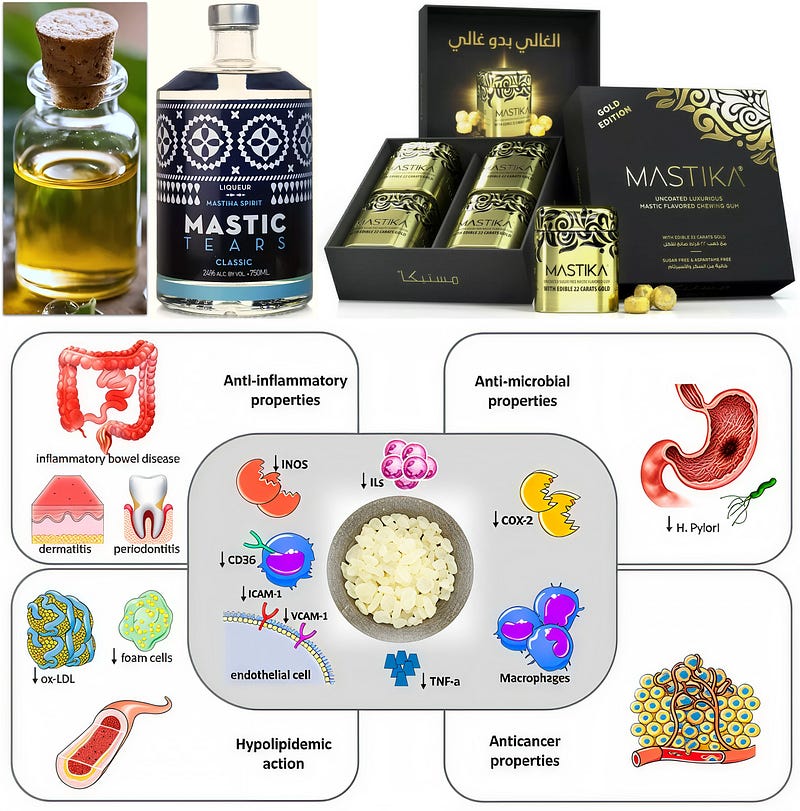
Mastic gum has been traded since antiquity. The Ottoman Empire once controlled its production under penalty of death for smugglers. Today, it is a niche but lucrative export, with applications in pharmaceuticals, dentistry, cosmetics, and niche perfumery. It is used in varnishes and incense, but its most distinctive role lies in gastronomy. As a natural antimicrobial, it also has potential in modern wellness markets.
Culinary Aspects
Mastic resin offers a sensory experience like no other. Its flavor profile is pine-like, slightly bitter at first, but softens into a delicate sweetness. The aroma is resinous with citrus undertones, clean and uplifting. Mouthfeel is smooth yet lightly tacky when chewed, with a lingering finish that recalls fresh herbs and sap. In cooking, mastic is dissolved into creams, custards, and syrups. It lends complexity to Middle Eastern ice creams, Greek breads such as tsoureki, and spirits like mastiha liqueur. When used sparingly — 0.25 g (0.009 oz) in a liter (34 fl oz) of custard — it transforms the dish with subtle aromatic depth. Beyond its culinary intrigue, mastic carries nutritional benefits: antioxidant, antimicrobial, and digestive properties.
Wine Pairings
Pairing wine with mastic requires nuance, as its resinous, pine-driven notes challenge conventional pairings. A dry Assyrtiko from Santorini, with its high acidity and saline minerality, harmonizes with mastic-flavored seafood stews, amplifying the maritime character. A Malvasia di Lipari Passito, slightly sweet with aromas of apricot and honey, pairs elegantly with mastic ice cream or custards, where its sweetness tempers resin bitterness. For savory preparations, a dry Jura Savagnin — oxidative, nutty, and herbal — mirrors mastic’s complexity without being overwhelmed. These pairings reveal how regional wines, often overlooked, find natural synergy with this ancient resin.
Conclusion
The mastic tree is more than a botanical curiosity. It is a living link between ecosystems, economies, and cultural identities. From healing gums to liqueurs and desserts, its resin has traveled across centuries and civilizations. As global interest in heritage foods grows, the mastic tree reminds us that sustainability often lies in honoring traditions that balance human need with ecological endurance. Its tears are not only drops of resin but drops of history.