Seeds of Flavor, Seeds of Culture: The Story of Dill (Anethum graveolens)
Introduction
Introduction
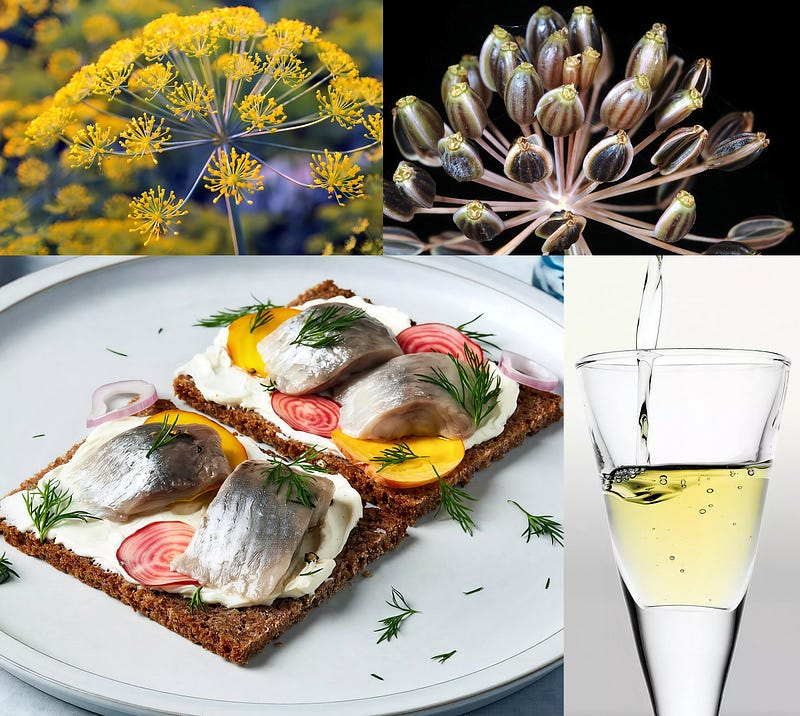
Few plants embody the meeting point of flavor, folklore, and function quite like dill. Its delicate fronds wave like wisps of green lace, but it is the seeds — tiny, ridged, and pungent — that carry centuries of culinary, medicinal, and cultural significance. From Scandinavian pickle jars to Indian spice blends, dill seed has traveled the globe, weaving itself into kitchens, apothecaries, and fields. This article explores the world of dill seed, tracing its taxonomy, biology, ecological role, and enduring presence in human culture and cuisine.
Taxonomy
Dill belongs to the family Apiaceae, the same lineage that brings us fennel, coriander, and parsley. Its scientific name, Anethum graveolens, comes from Greek roots meaning “strong-smelling,” an accurate nod to its sharp aroma. There are no formally recognized subspecies, but culinary traditions distinguish between dill grown for its feathery leaves (known as “dill weed”) and dill grown for its seeds, which carry a warmer, spicier character. In everyday language, dill seed is often confused with caraway seed, yet the two differ both botanically and in taste profile.
Biology
A hardy annual, dill grows to an average of 60–90 cm (24–36 in) in height, though some garden cultivars can stretch taller. Its stems are hollow, its leaves finely divided into threadlike segments, and its flowers arranged in umbrella-shaped umbels of tiny yellow blossoms. The plant’s lifecycle is quick: within 70–90 days of sowing, seeds mature, dry, and harden into the aromatic spice that has been harvested for thousands of years. A single dill plant can yield hundreds of seeds, each about 4–5 mm (0.16–0.20 in) long, with distinctive longitudinal ridges.
Ecology
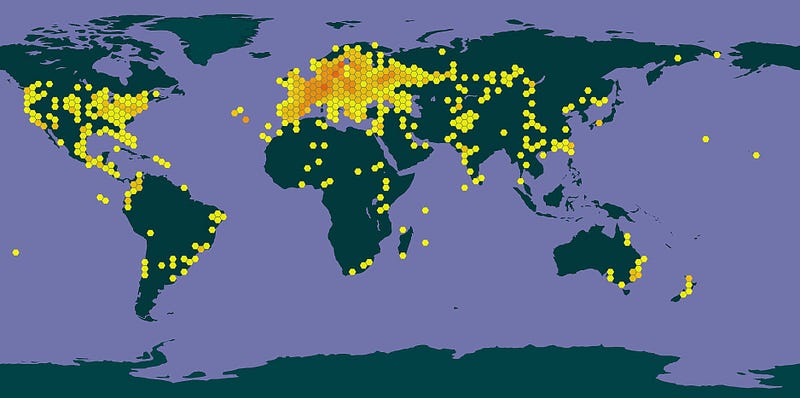
Native to the Mediterranean and western Asia, dill thrives in temperate climates with full sun and well-drained soil. Its ecological role extends beyond human use: dill flowers attract pollinators such as bees, hoverflies, and butterflies, making it an important companion plant in organic farming. Moreover, the seeds self-sow readily, ensuring natural regeneration year after year. While dill is not threatened globally, sustainable cultivation is encouraged, especially in regions where overharvesting of wild plants places pressure on biodiversity.
Uses
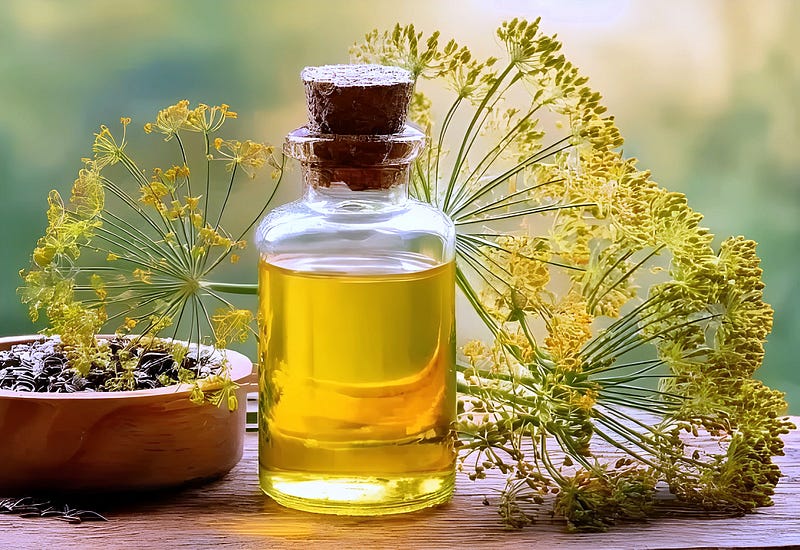
Economically, dill seed is a quiet powerhouse in the spice trade. It plays a central role in Eastern European pickling industries, Indian spice markets, and Middle Eastern culinary traditions. Beyond food, dill seed oil is extracted for use in pharmaceuticals, perfumes, and soaps, prized for its carminative and soothing properties. Historically, it was prescribed as a digestive aid and even mentioned in medieval apothecary manuals as a remedy for colic. Today, organic farming practices and small-scale artisanal spice production are reviving interest in sustainable dill cultivation, offering farmers a niche yet profitable crop.
Culinary Aspects
The taste of dill seed is distinct from its leafy counterpart. Where dill weed offers grassy brightness, the seeds deliver warm, slightly bitter, and earthy notes with hints of anise and caraway. They shine in Scandinavian rye breads, German sauerkraut, Indian lentil dishes, and, of course, classic dill pickles. A teaspoon of dill seed (about 2.1 g) carries roughly 6 calories and is a modest source of calcium and iron. When crushed, toasted, or simmered, the seeds release aromatic oils that deepen soups, stews, and marinades. Their cultural reach is remarkable: from Russian borscht to Iranian sabzi polo (herbed rice), dill seeds prove versatile across continents.
Wine Pairings
Pairing wine with dill seed requires delicacy. Its sharp, warm flavors find balance with crisp whites such as Sauvignon Blanc or Grüner Veltliner, whose herbal undertones echo the spice without overwhelming it. For richer dishes — think slow-braised lamb seasoned with dill seed — a medium-bodied red like Pinot Noir offers a soft counterpoint. In Nordic cuisines where dill dominates fish and pickled dishes, dry Riesling cuts through acidity while complementing the spice’s aromatic depth. Aquavit pairs well with traditional Scandinavian dishes like gravlax (cured salmon), smoked salmon, herring, and other pickled or cured fish.
Conclusion
Dill seed is more than a seasoning — it is a seed of history, ecology, and culture. From the ancient apothecaries of the Mediterranean to the kitchens of modern homes, its journey tells of human ingenuity and the enduring relationship between plants and people. In every ridged seed lies not only a burst of flavor but also a reminder of sustainability, resilience, and interconnectedness. To taste dill seed is to savor a fragment of botanical heritage, still flourishing today.