Seeds of History, Leaves of Flavor: The Story of Fenugreek
Introduction
Introduction
Fenugreek, known to botanists as Trigonella foenum-graecum, is one of those plants that hides in plain sight. You’ve likely encountered its maple-syrup scent in spice blends, its earthy bitterness in curries, or its tender leaves in rustic breads. This legume has traveled through ancient civilizations, folk medicine cabinets, and modern kitchens, carrying with it a mix of flavor, health, and resilience. To study fenugreek is to trace a thread that ties together ecology, gastronomy, and culture across millennia.
Taxonomy
Fenugreek belongs to the Fabaceae family, making it kin to beans, peas, and lentils. Its genus, Trigonella, is named for the triangular shape of its small yellowish flowers, while the species name foenum-graecum translates to “Greek hay,” a nod to its early use as livestock fodder. Common names reflect its broad cultural reach: methi in India, hulba in the Middle East, and fenugrec in France. Unlike some genera that boast a sprawling family tree, fenugreek stands out as a singular star: one species cultivated primarily for both seed and leaf, without notable subspecies or varieties dominating commerce.
Biology
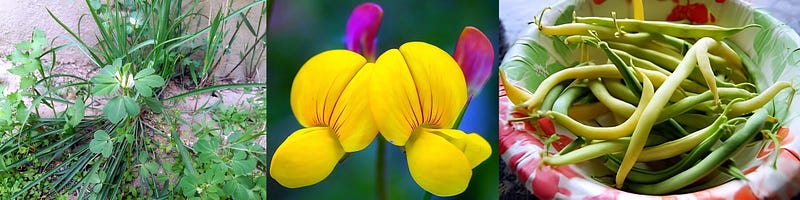
Fenugreek is an annual herb with a modest height of 1–2 ft (30–60 cm). Its stems branch delicately, holding trifoliate leaves that resemble those of clover. Small, pale yellow flowers give way to slender pods, each containing 10–20 hard, golden-brown seeds. The plant matures within 3–5 months, adapting well to different climates. Its roots, like other legumes, form nodules rich in nitrogen-fixing bacteria, granting it the ability to enrich soils — a quiet but powerful ecological gift.
Ecology
Native to the Mediterranean and western Asia, fenugreek thrives in semi-arid regions, requiring full sun and well-drained soils. Today, it is cultivated widely from North Africa to South Asia, and increasingly in parts of North America. Its ecological role extends beyond food: as a cover crop, fenugreek helps reduce erosion, suppress weeds, and restore fertility. Sustainable farming practices leverage their nitrogen-fixing nature, reducing the need for synthetic fertilizers. Conservation concerns are minor, as its adaptability has ensured its survival, but the push toward monocultures and heavy pesticide use still threatens its ecological harmony.

Uses
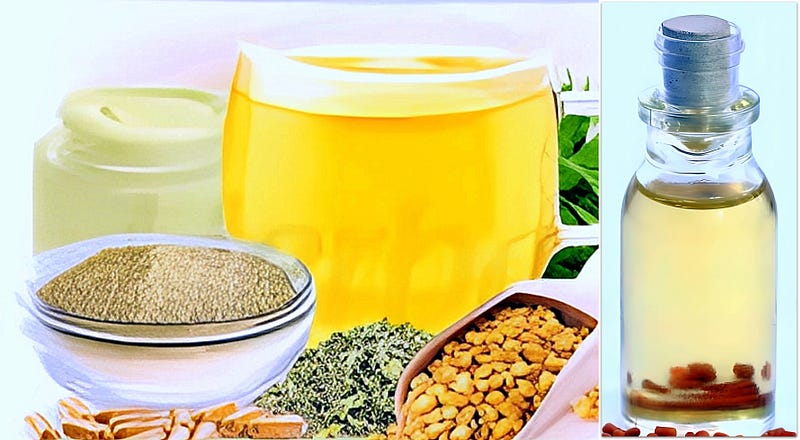
Fenugreek’s utility stretches far beyond the kitchen. Its seeds are prized in herbal medicine, historically prescribed for digestive issues, lactation, and blood sugar regulation. In modern markets, fenugreek extracts appear in nutraceuticals and hair-care products. Economically, fenugreek is a low-cost, high-value crop, especially in India, where its leaves and seeds fuel both household consumption and export. Farmers appreciate its resilience to poor soils and drought, making it a sustainable option for smallholders.
Culinary Aspects
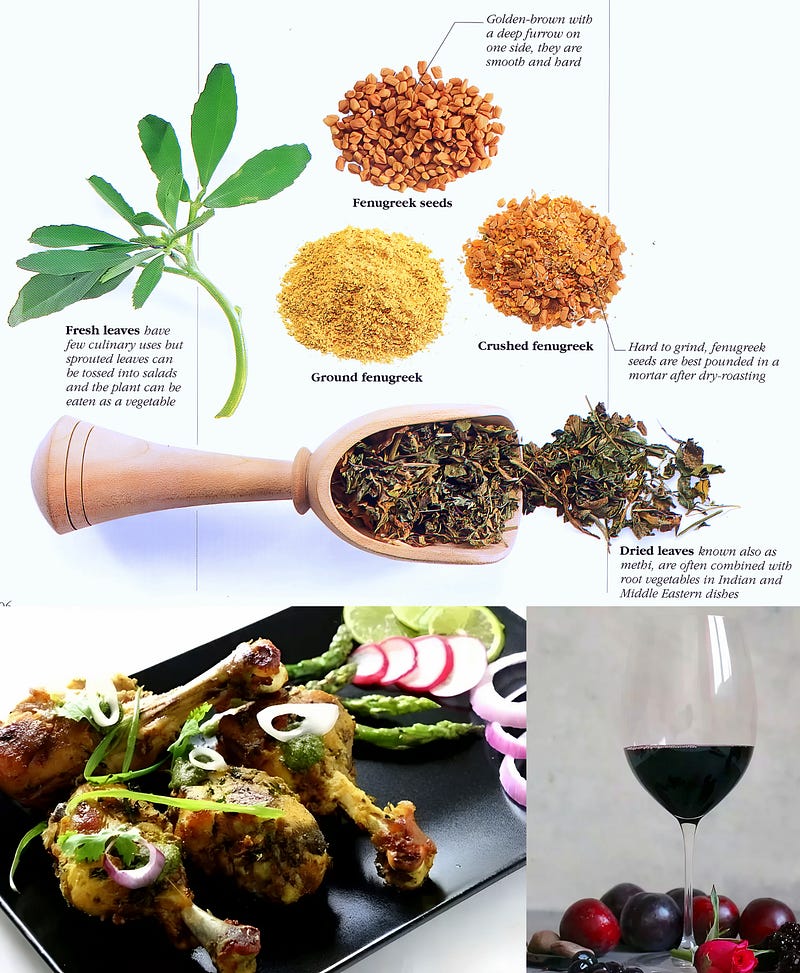
Fenugreek is a master of disguise in the kitchen. Its seeds carry a bittersweet flavor with a strong maple-like aroma, detectable even at tiny doses of 0.25 oz (7 g). When raw, the bitterness dominates, but roasting softens it into nutty, caramel-like notes. Ground fenugreek is the backbone of spice blends like Indian curry powders, Ethiopian berbere, and Tunisian tabil.
The leaves, fresh or dried, bring a gentler herbal bitterness, similar to spinach with an undertone of celery. In dishes like Indian methi paratha, the leaves lend depth and balance. The mouthfeel is slightly astringent, with lingering complexity that enhances fatty meats and pulses. Nutritionally, fenugreek seeds are dense with fiber, iron, and protein, while the leaves provide vitamins A, C, and K. Their chemesthesis — subtle tingling bitterness — adds dimension when paired with chili or garlic.
Appearance matters too: fenugreek seeds, with their amber angularity, glisten like miniature pebbles in a spice box, while fresh leaves brighten any stew with a soft green hue. The finish, whether in a sauce or bread, lingers warmly, inviting reflection on its role as both seasoning and sustenance.
Wine Pairings
Fenugreek’s flavor complexity demands equally thoughtful pairings. The bitterness of the seeds harmonizes with wines that carry sweetness or floral depth. Gewürztraminer, with its lychee and rose aromas, softens fenugreek’s sharp edges while complementing its maple tones. Riesling, especially an off-dry variety, provides a crisp acidity that balances spice-heavy dishes. For heartier preparations like lamb stews with fenugreek leaves, a medium-bodied Syrah or Shiraz steps in gracefully, offering pepper and dark fruit to echo the herb’s intensity without overwhelming it.
Conclusion
Fenugreek is more than a spice or a leaf; it is a bridge between soil health, human health, and culinary heritage. Its presence in medicine, agriculture, and cuisine underscores how plants can knit together ecosystems and cultures. As climate pressures mount and food systems strain, fenugreek offers both farmers and cooks a resilient ally. From the fields of the Mediterranean to kitchens around the globe, this humble herb reminds us that sustainability and flavor can grow from the same seed.