Seeds of Time and Taste: The Living Legacy of Fennel
In the aromatic tapestry of global cuisine, few threads weave as gracefully as fennel seed. Its presence is subtle yet unforgettable, an…
In the aromatic tapestry of global cuisine, few threads weave as gracefully as fennel seed. Its presence is subtle yet unforgettable, an ancient whisper carried forward by traders, gardeners, and chefs who have long recognized its dual nature — both medicine and magic, both earthbound and ethereal. To study fennel is to walk a narrow path between botany and poetry, where the biology of a humble umbel plant meets the cultural heritage of countless kitchens.
Taxonomy and Heritage
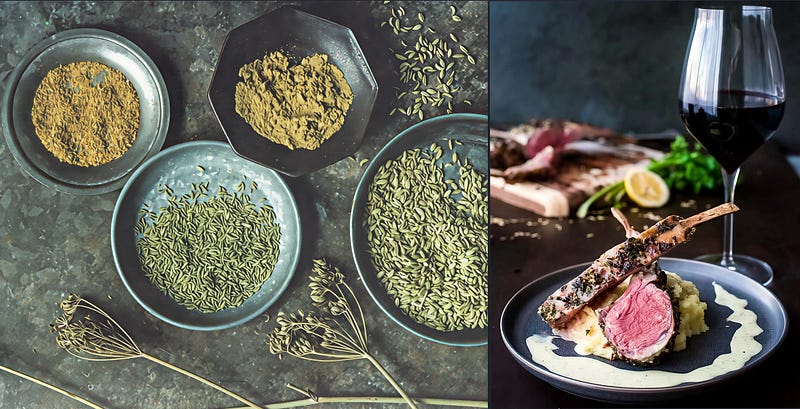
Foeniculum vulgare is the official name of this venerable plant, a perennial member of the Apiaceae family. Its kin include carrots, celery, and parsley, though fennel stands apart through its distinctive licorice-like aroma. Within the species, cultivated varieties have emerged through centuries of human selection. The most celebrated edible form is Foeniculum vulgare var. dulce, the sweet fennel whose seeds form the backbone of spice markets from Cairo to Kolkata. Known commonly as fennel seed, these pale green slivers carry many aliases — saunf in Hindi, finocchio in Italian, fenkoli in Finnish — each a testament to its journey through different tongues and tables.
Biology and Adaptation
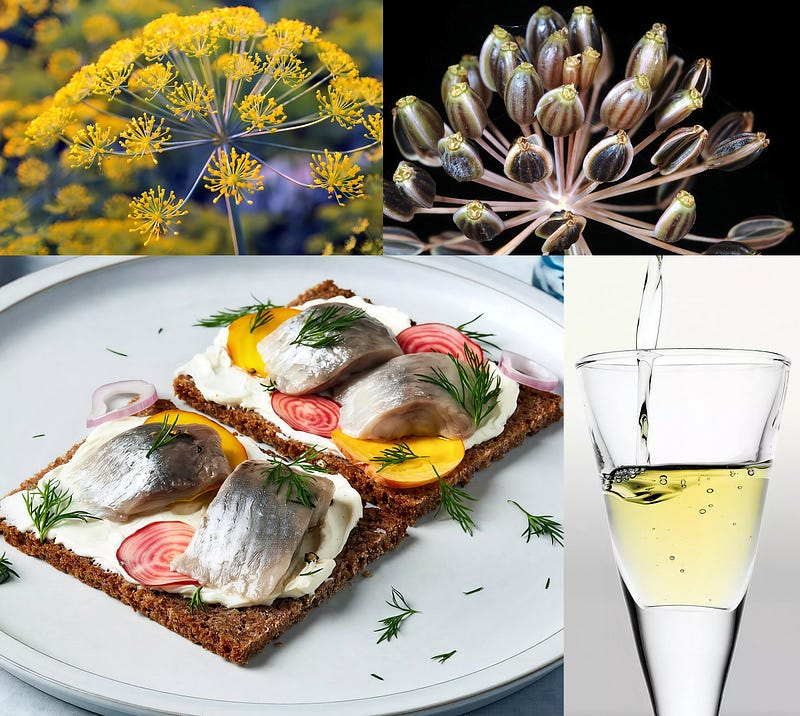
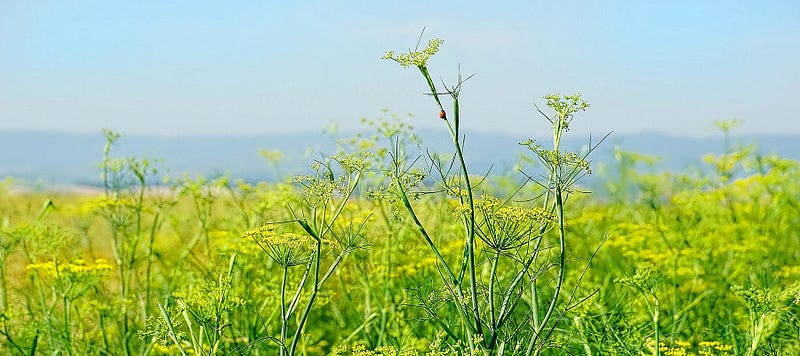
Fennel is a hardy survivor, a plant that thrives in Mediterranean sun yet adapts with grace to temperate gardens around the world. It sends up tall, hollow stalks that can stretch to six feet or 1.8 meters, crowned with feathery leaves and golden umbels of flowers. These blooms mature into seeds, each only a few millimeters long yet dense with volatile oils rich in anethole, the compound that gives fennel its sweet licorice flavor. Its life cycle follows the rhythm of many herbs: a lush vegetative growth in the first season, followed by a riotous flowering and seeding in the next, ensuring continuity and abundance.
Ecology and Sustainability
Native to the Mediterranean basin, fennel has naturalized in landscapes as far-flung as California’s coastal bluffs and Australia’s open fields. This resilience is both a blessing and a caution; while it enriches soils with its deep taproot, it can also spread vigorously, challenging native flora. Sustainable cultivation practices — controlled harvesting, managed irrigation, careful seed collection — are essential to balance fennel’s prolific nature with ecological responsibility. In regions where wild fennel has turned invasive, community efforts now combine traditional foraging with restoration projects, turning a problem into an opportunity for local enterprise.

Uses and Market Relevance
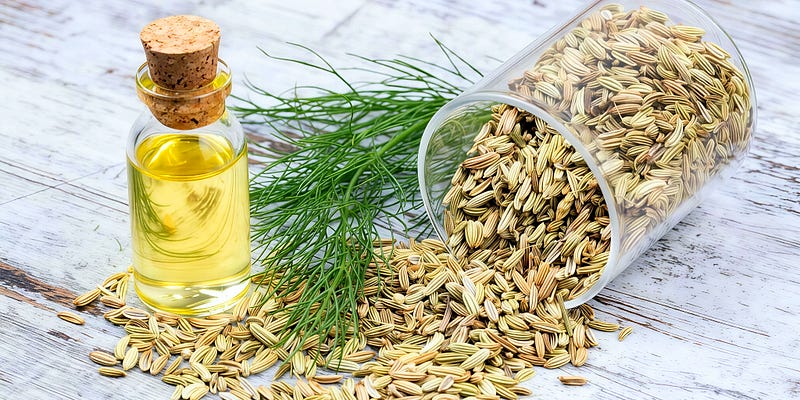
From ancient apothecaries to modern wellness stores, fennel seeds have long commanded attention for their medicinal and economic value. Traders prized them along the Silk Road for their digestive benefits. Today, their market extends beyond spice racks into herbal teas, essential oils, and even eco-friendly insect repellents. A pound of high-grade fennel seed — about 0.45 kilograms — can command a premium price in specialty markets, while large-scale producers in India and Egypt export thousands of tons annually, connecting rural farmers to global supply chains. The sustainability of this trade depends on soil stewardship and organic certifications that reassure discerning buyers.
Culinary Aspects and Sensory Delights
To crush fennel seed between your fingers is to release a rush of sweetness, grassy and warm, with an echo of anise. In Italian sausage, the seeds bring a whisper of licorice that balances the fat. In Indian curries, they bloom in hot oil, infusing sauces with depth. Bakers fold ground fennel into rye bread, while confectioners in the Middle East coat it in sugar for a fragrant after-dinner treat. One teaspoon of fennel seed, about 2 grams, adds complexity to a stew without overwhelming it. Rich in fiber, calcium, and antioxidants, these seeds marry indulgence with nutrition, a rare harmony on the plate.
Wine Pairings and Culinary Harmony
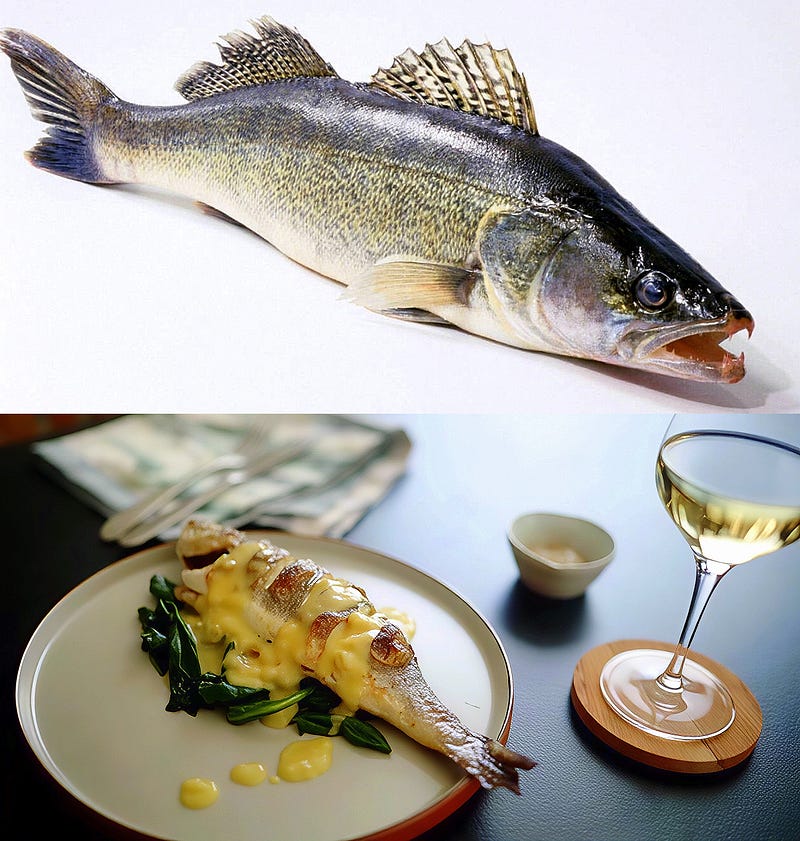
Fennel’s aromatic profile invites thoughtful pairing with wines that echo or contrast its herbal sweetness. A crisp Sauvignon Blanc, with its grassy notes and bright acidity, complements fennel-roasted fish, while a chilled Gewürztraminer — with hints of lychee and spice — elevates fennel-studded charcuterie. For heartier fare like fennel-scented braised pork, a medium-bodied Pinot Noir lends red fruit undertones that balance the dish’s richness. These pairings reveal a simple truth: fennel is not a mere spice but a bridge between culinary worlds.
Conclusion and Reflection
Fennel seed is more than a condiment; it is a botanical storyteller, carrying memories of ancient fields and modern kitchens alike. Its resilience, its market relevance, and its culinary charm invite us to think beyond the spice jar — to consider sustainability in our gardens, intention in our cooking, and heritage in our tastes. The next time you sprinkle fennel seeds over bread or sip them in tea, pause to feel the centuries of human care embedded in those tiny green crescents. In doing so, you honor a plant that has traveled continents, survived empires, and continues to enrich our daily lives.