Social Media is Neither Social Nor Media
Social media platforms stand accused of a profound betrayal of identity. They promise connection but engineer isolation; they claim to…
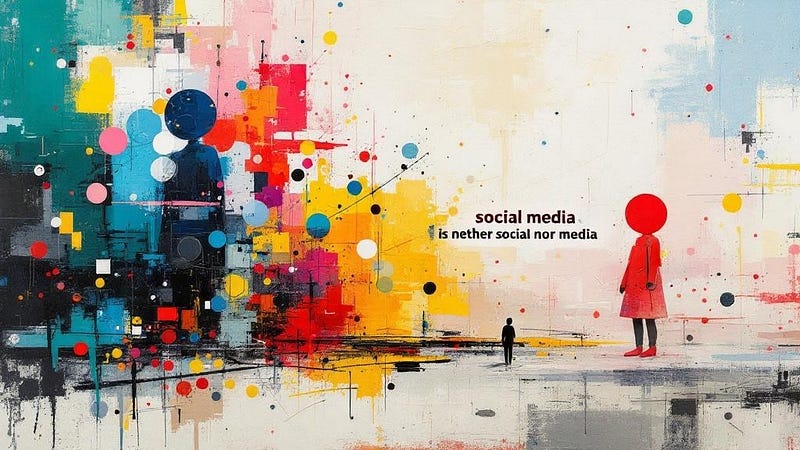
Social media platforms stand accused of a profound betrayal of identity. They promise connection but engineer isolation; they claim to inform while profiting from confusion. What masquerades as a digital public square has become a landscape of algorithmic manipulation — retaining neither the soul of “social” interaction nor the integrity of “media.”
The Myth of Social Connection
The “social” in social media is a relic. Early platforms thrived on user conversations, but today’s feeds bury personal connections beneath torrents of branded content. Authentic dialogue suffocates as passive scrolling replaces reciprocal communication. Users report ghost-town profiles — platforms where friend updates drown in sponsored posts and influencer promotions. Algorithms fracture communities into isolated consumers, feeding them content from centralized hubs. This is not social networking; it’s performance theater disguised as community.
The Corruption of Media
As media, these platforms fail catastrophically. Traditional journalism upholds editorial standards; social media rewards engagement at any cost. Misinformation spreads unchecked, with algorithms amplifying outrage over truth. Users trapped in filter bubbles consume fragmented, context-starved content — often irrelevant to their lives or civic needs. News becomes scrollbait: stripped of nuance, optimized for clicks, and saturated with ads. The result? A landscape where viral falsehoods outpace facts and democratic discourse frays into tribal warfare.
The Engine of Alienation
Three forces drive this decay: the addiction economy, advertising oligarchy, and algorithmic discord. Platforms hijack attention through infinite scroll and dopamine-triggering notifications, replacing human bonds with Pavlovian rituals. Authentic voices are silenced unless commodified — drowned out by influencers and brands paying to dominate feeds. Civility erodes as algorithms inflame polarization, rewarding extremism and performative conflict. We log on seeking community and emerge lonelier; we seek truth and find propaganda.
Silencing the Defenders
To those claiming social media “connects people”: private messaging endures, but feeds dominate — correlating with rising isolation. To those insisting it “informs”: studies prove social media news consumers understand less than traditional audiences. To those asserting user control: algorithms override intent, funneling you toward ads and outrage. These platforms are not tools of empowerment. They are digital markets trading your attention for profit.
A Demand for Truth in Labeling
We must reject the lie in the name. Call them what they are: attention markets, pseudosocial networks, or digital addiction engines. Until platforms fundamentally reform — prioritizing people over profit, facts over frenzy — they remain monuments to broken promises. Social media is neither social nor media. It is the ghost of a revolution sold to advertisers.