Swimming Through Tradition: The Story of Pa Chad Fa (Poropuntius angustus)
Introduction
Introduction
In the cool, rushing rivers of northern Thailand, a fish lives that has long nourished local communities, anchored cultural traditions, and sparked conversations about sustainability. Known as Pa Chad Fa, or scientifically as Poropuntius angustus, this freshwater carp may not boast the fame of salmon or tuna. Still, its role in ecology, cuisine, and commerce is both understated and profound. To understand Pa Chad Fa is to dive into the currents of biodiversity, gastronomy, and conservation all at once.
Taxonomy
Pa Chad Fa belongs to the family Cyprinidae, the vast clan of carps and minnows that populate freshwater ecosystems across Asia. Its genus, Poropuntius, is characterized by small to medium-sized fishes often found in upland streams. Poropuntius angustus is the recognized species, with no widely accepted subspecies. Locally, it carries names that shift by dialect, but Pa Chad Fa remains its most common Thai identifier. Unlike globally traded species, this fish’s value is largely regional, tightly woven into local food culture rather than export markets.
Biology
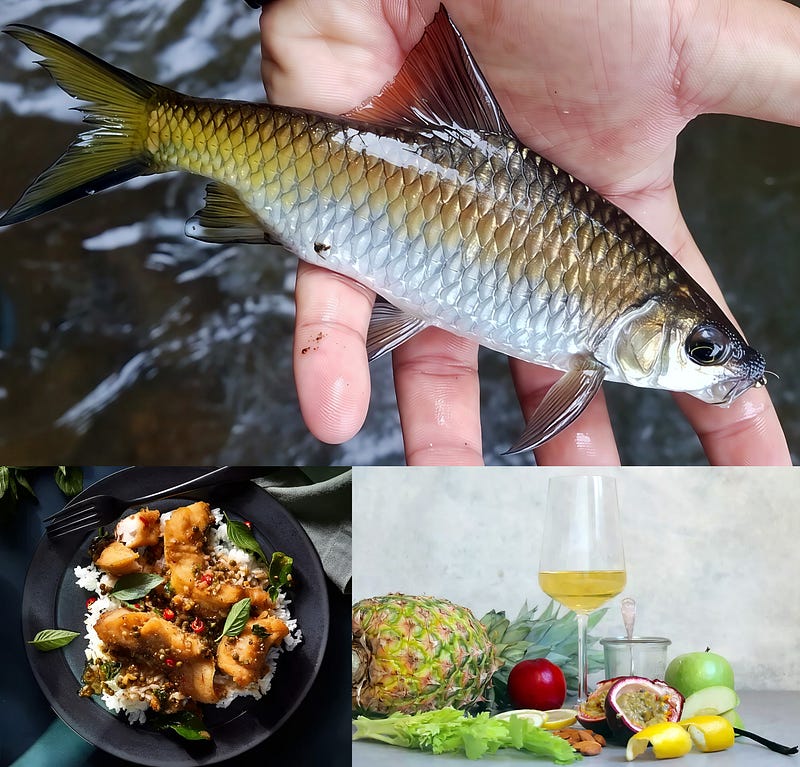
The biology of Pa Chad Fa reveals a creature finely tuned to life in mountain rivers. Adults typically measure between 15 to 20 cm, or about 6 to 8 in, though larger specimens can stretch beyond 25 cm, equal to 10 in. Its streamlined silver body with faint lateral lines allows it to cut through strong currents, while its fins provide remarkable agility against rocky substrates. The species feeds on aquatic invertebrates, algae, and detritus, serving as both grazer and prey. Reproduction occurs during seasonal rains, when females deposit adhesive eggs among gravel beds, ensuring protection against torrents. Its short lifespan — often less than five years — makes it particularly sensitive to environmental disruption.
Ecology
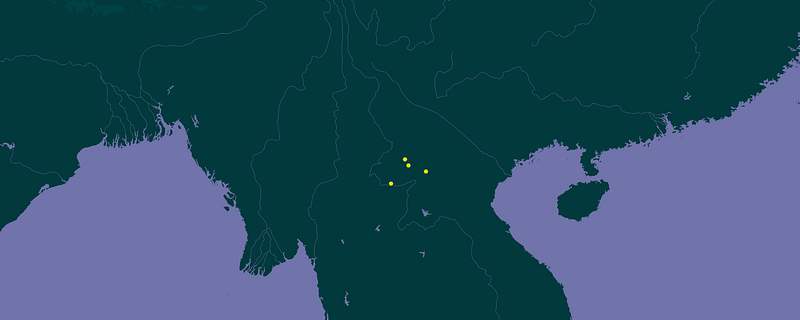
Pa Chad Fa thrives in the headwaters and tributaries of the Mekong Basin, inhabiting clear, oxygen-rich rivers at elevations where temperatures often hover around 20°C, or 68°F. These habitats are fragile, vulnerable to dam construction, overfishing, and deforestation. As a mid-level species in the food web, Pa Chad Fa both consumes smaller organisms and sustains larger fish and birds. Conservationists view it as a bellwether species: its decline would indicate ecological stress, while its thriving suggests a balanced river system. Community-led initiatives, such as seasonal fishing bans and habitat restoration, are being explored to maintain its presence in traditional fisheries.
Uses
Economically, Pa Chad Fa is less a global commodity and more a local staple. Caught in woven basket traps and fine mesh nets, it is sold fresh in village markets, where a kilogram (2.2 lb) fetches a modest but reliable income. Beyond subsistence, its importance lies in cultural continuity. Rural households view it as an accessible protein source, while festivals often feature communal dishes prepared from seasonal catches. The species also holds potential for aquaculture, though efforts remain small-scale and experimental, aiming to balance economic needs with ecological resilience.
Culinary Aspects
The culinary allure of Pa Chad Fa rests in its tender flesh, delicate yet flavorful, with a mild sweetness reminiscent of river trout. In Thai kitchens, it is often grilled whole over charcoal, its skin crisping while the meat retains moisture. Another beloved preparation involves fermenting the fish with rice to create a tangy, probiotic-rich dish called pla som, which has both nutritional and cultural significance. Stews and curries round out its versatility, where the fish absorbs spices and herbs like lemongrass, galangal, and kaffir lime. Rich in protein and omega-3 fatty acids, it offers health benefits alongside its taste.
Wine Pairings
Pairing wine with Pa Chad Fa highlights its subtle textures and clean flavors. A crisp Sauvignon Blanc, chilled to about 8°C or 46°F, accentuates the fish’s delicate sweetness when grilled. For fermented preparations like pla som, a dry Riesling with its bright acidity balances the tang while complementing Thai spices. In richer curries, a medium-bodied Chardonnay, lightly oaked, harmonizes with coconut milk and chili heat. Each pairing underscores the fish’s culinary versatility, proving that even a regional river fish can meet the sophistication of global dining tables.
Conclusion
Pa Chad Fa, the humble Poropuntius angustus, is more than a fish. It is a thread in the ecological fabric of Thai rivers, a staple on rural tables, and a reminder of how culinary tradition intersects with conservation. Its story is not just about biology but about belonging — to ecosystems, to kitchens, and to the heritage of those who have long relied on its presence. Protecting Pa Chad Fa is not merely an act of species preservation, but of cultural continuity, ensuring that the flavors of the river continue to nourish both body and memory for generations to come.