The Alaskan Pollock: A Humble Giant of the Northern Seas
Introduction
Introduction
Beneath the icy blue waters of the North Pacific, a silvery fish pulses through swarms of krill and shadowed currents — sleek, unassuming, and utterly indispensable. The Alaskan Pollock, known scientifically as Gadus chalcogrammus, is more than just the silent backbone of fast food chains or a staple in frozen seafood aisles. It is a marvel of biology, a triumph of sustainable fisheries management, and an enduring testament to how a single species can nourish the world without emptying the sea.
While it may lack the aristocratic flair of wild salmon or the buttery mystique of black cod, the Alaskan Pollock has quietly won over chefs, conservationists, and economists alike. This article dives deep into the life and legacy of this unpretentious fish — from taxonomy to table — revealing why it deserves far more reverence than its modest marketing suggests.
Taxonomy: Names from the Cold Deep
The Alaskan Pollock belongs to the family Gadidae, which includes true cods like the Atlantic cod (Gadus morhua) and Pacific cod (Gadus macrocephalus). Once considered a subspecies of the latter, it has since been reclassified under its species, Gadus chalcogrammus, making it a legitimate sibling in the gadid lineage rather than an imitator.
Its common names vary by region and industry — Walleye Pollock, Pacific Pollock, or simply Pollock — but its identity remains rooted in the frigid waters of the Bering Sea and the Gulf of Alaska. No major subspecies have been delineated, though some populations migrate more broadly along the North Pacific Rim, from California to the Sea of Japan.
This taxonomic identity carries more than biological nuance — it impacts everything from fishery management quotas to labeling standards in global seafood markets.
Biology: Sleek Design and Spawning Spectacle
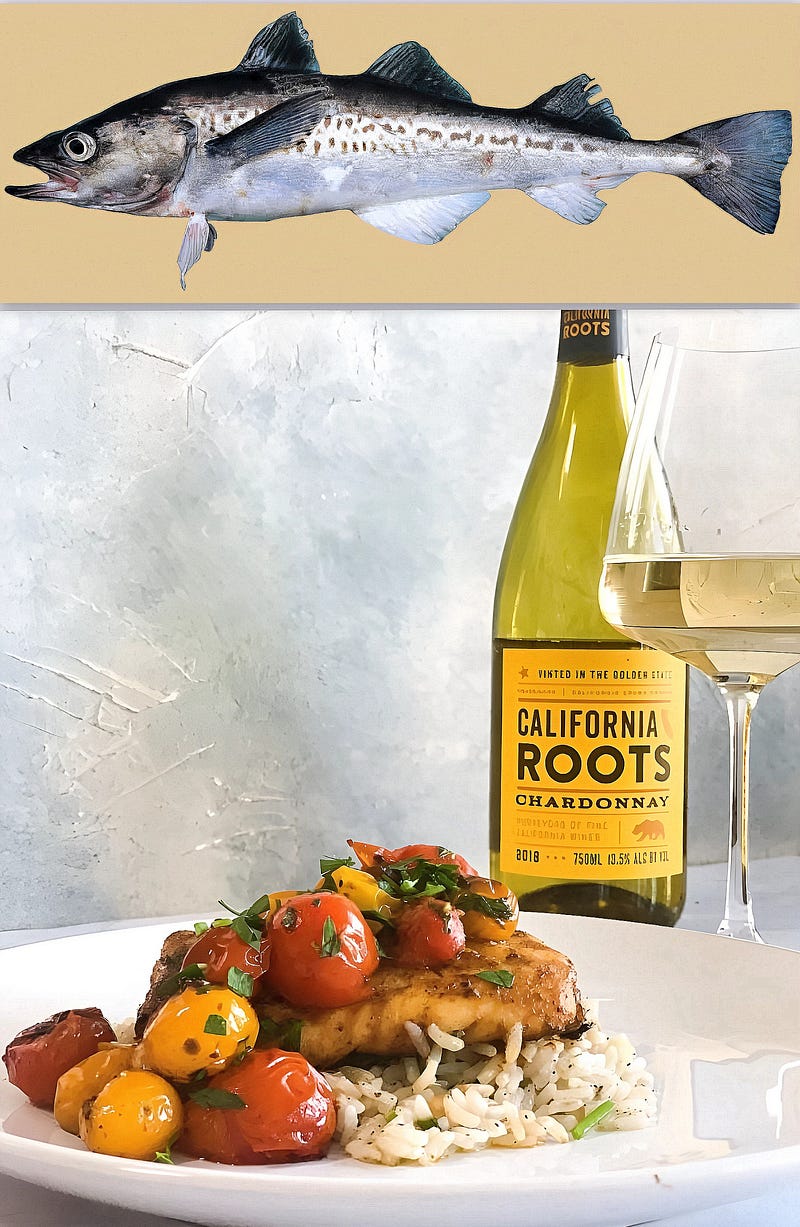
The Alaskan Pollock is built for endurance. Slender and torpedo-shaped, it typically grows to about two feet in length, with iridescent sides and a pale underbelly that shimmer like the northern lights. Its dorsal fin is split into three sections — a feature that helps distinguish it from its cod cousins — and its body tapers into a soft, rounded tail, designed for tireless, efficient swimming.
Pollock reaches maturity quickly, spawning at three or four years old. Their spawning is nothing short of synchronized grandeur: each spring, millions gather near the continental shelf edge to release clouds of eggs and milt into the open sea. The eggs drift with the currents, incubating as they float toward coastal nursery areas. This rapid reproductive cycle supports the enormous biomass that sustains one of the largest commercial fisheries on Earth.
Their diet, like their destiny, is based on the margins of visibility — zooplankton, euphausiids (krill), and smaller fish. This diet not only supports their lean protein profile but also aligns them perfectly in the food web between predator and prey.
Ecology: Guardian of the North Pacific Balance
Ecologically, Gadus chalcogrammus plays a critical role in the North Pacific marine ecosystem. It feeds on small invertebrates while serving as a primary food source for larger predators — Steller sea lions, seabirds, Pacific cod, and even whales. Its presence stabilizes predator-prey dynamics and ensures continuity in nutrient cycling through various trophic levels.
The species’ habitat spans a wide vertical and horizontal range, from surface waters to depths of over 1,000 feet. It migrates seasonally and diurnally, feeding in shallower waters at night and retreating to the depths during the day — a behavior known as diel vertical migration.
Pollock fisheries are often hailed as a rare success story in modern fisheries management. Governed primarily by NOAA and the North Pacific Fishery Management Council, strict quotas, real-time monitoring, and bycatch reduction strategies have helped maintain stable populations. The Marine Stewardship Council has certified the Alaskan Pollock fishery as sustainable — no small feat in an era marked by collapse and overfishing.
Uses: From Fast Food to Global Nutrition
The economic impact of the Alaskan Pollock is staggering. It is the cornerstone of the U.S. seafood industry by volume, generating billions in revenue and sustaining thousands of jobs from factory trawlers to freezer plants.
Its versatility is a marketer’s dream and a chef’s secret weapon. Whether in frozen fillets, imitation crab (surimi), or fish sticks, Pollock adapts to culinary constraints with quiet grace. It freezes well, takes on seasoning brilliantly, and provides a blank canvas for global cuisines. Its mild flavor and low oil content also make it ideal for reprocessing — an attribute that secures its place in global export markets.
But perhaps its greatest triumph is accessibility. Pollock provides a sustainable source of affordable animal protein to populations that might otherwise rely on less environmentally friendly options.
Culinary Aspects: Subtle, But Not Forgettable
The taste of Alaskan Pollock is often described as clean, delicate, and slightly sweet — a ghost of the sea rather than a shout. Its lean flesh flakes easily when cooked, offering a moist texture without the overpowering fishiness that deters many casual seafood eaters.
This neutrality is its strength. In Japanese cuisine, it is transformed into kamaboko (steamed fish cake) or tarako (pollock roe), while in Korean kitchens, it is dried, grilled, or stewed as bugeo. In the U.S. and Europe, it thrives in fried forms, battered and paired with tartar sauce or tucked into fish tacos.
Nutritionally, it boasts high protein, low fat, and significant quantities of vitamin B12 and selenium — ideal for health-conscious consumers and cardiac diets alike.
Wine Pairings: Let the Ocean Whisper
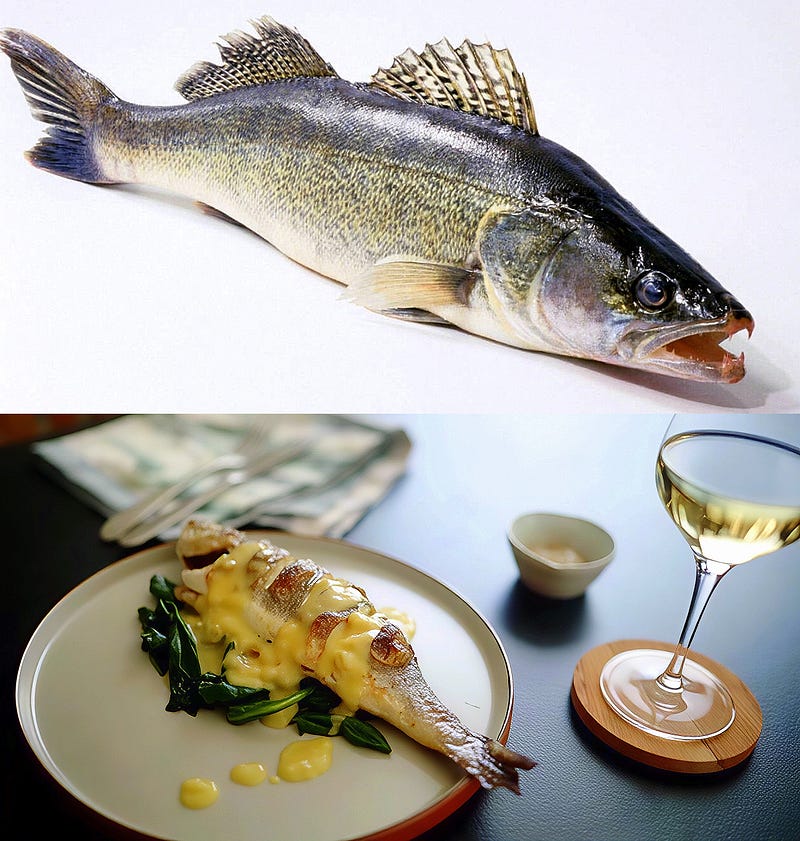
Pollock’s subtlety begs for a wine that won’t overwhelm. A crisp Sauvignon Blanc from New Zealand, with its citrus zing and grassy undertones, brings out the faint sweetness of the flesh. For a creamier preparation — say, Pollock in a beurre blanc — a mineral-driven Chablis or unoaked Chardonnay will lift the dish without masking its maritime essence.
In Asian preparations, especially those involving roe or fermented elements, dry Rieslings or even sparkling wines like Cava or Sekt make excellent counterpoints, balancing salt with acid and refreshment.
Conclusion
The Alaskan Pollock is more than a fish. It is a lifeline, a culinary chameleon, and a rare example of sustainability in action. From the cold waters of the Bering Sea to the fryers of bustling restaurants, it serves the world with humility and endurance.
In a time when overfishing, climate change, and ecological neglect dominate the headlines, the Pollock stands as proof that careful stewardship and scientific rigor can preserve abundance without sacrificing the wild. If the oceans are to have a future, it may be shaped in the silent wake of this unassuming swimmer.
Let us not underestimate the quiet ones. Sometimes, they feed the world.