The Ancient Duck of the Americas: Muscovy’s Place in Nature, Cuisine, and Culture
Introduction
Introduction
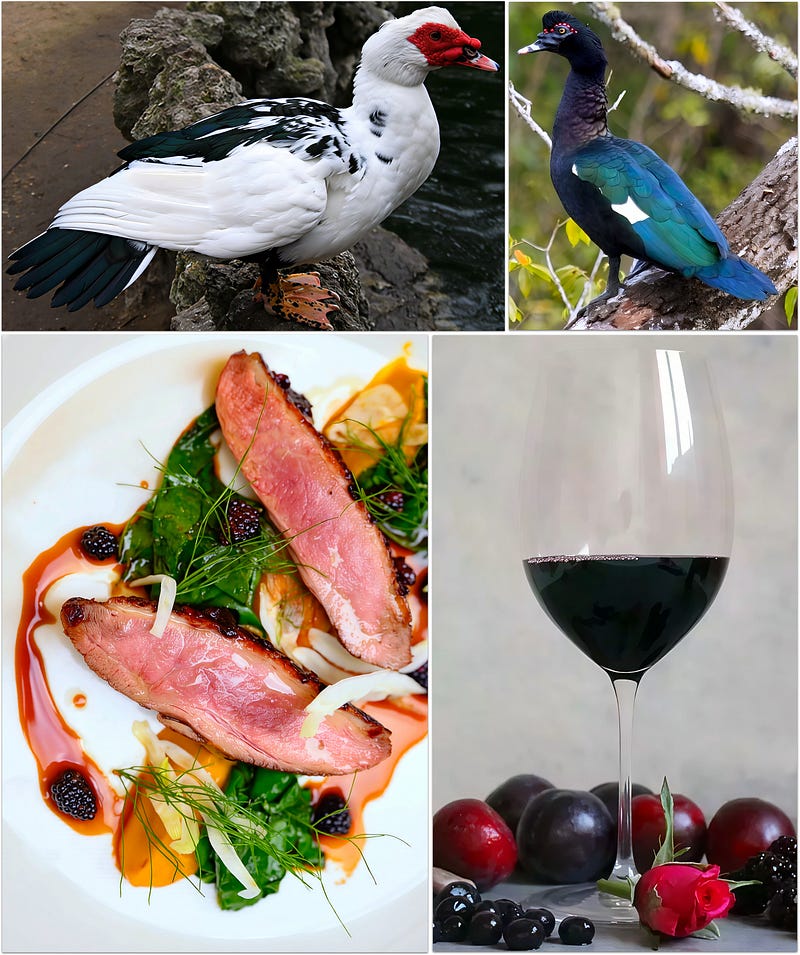
The Muscovy duck, Cairina moschata, is not the mallard-derived farmyard duck most people imagine when picturing a roasted bird on a platter. Native to Central and South America, this striking species was domesticated long before Europeans crossed the Atlantic. With its red, warty caruncles and quiet demeanor, the Muscovy stands apart both biologically and culturally. Today, it bridges the wild forests of the Amazon and modern kitchens across the globe, embodying a story of adaptation, flavor, and sustainability.
Taxonomy
The Muscovy duck belongs to the family Anatidae, which encompasses ducks, geese, and swans. Its scientific name, Cairina moschata, reflects its distinctive musky scent. Unlike the ubiquitous Anas platyrhynchos (mallard), from which most domestic ducks descend, the Muscovy forms its own lineage. Wild Muscovies still inhabit lowland forests and wetlands from Mexico to northern Argentina, while domesticated varieties are raised worldwide for meat and eggs. Common names include “Barbary duck” in Europe and “Canard musqué” in French-speaking regions.

Biology
Adult males are imposing, reaching up to 30 lb (13.6 kg), while females typically weigh around 7 lb (3.2 kg). They measure roughly 30 in (76 cm) in length, with broad wings that can span up to 5 ft (1.5 m). Their plumage ranges from glossy black with iridescent green to white-spotted domestic strains. The red caruncles around the bill and eyes are more pronounced in males, giving them a fierce, prehistoric look.
Unlike most ducks, Muscovies are relatively silent. Instead of quacking, they hiss and coo, an adaptation that reduces noise in dense tropical forests. They are excellent fliers, capable of short bursts at speeds exceeding 50 mph (80 kph). Muscovies perch easily thanks to strong claws, and their partially arboreal lifestyle distinguishes them from other large waterfowl.
Ecology
In the wild, Muscovies prefer riverbanks, swamps, and mangrove forests. They feed omnivorously on aquatic plants, seeds, small fish, insects, and even crustaceans. By grazing and rooting, they help control insect populations and recycle nutrients, playing a quiet but vital ecological role.
Their adaptability has allowed them to thrive in human-altered landscapes, from rice paddies in Asia to suburban ponds in North America. Escaped domestic flocks have established feral populations in places like Florida and Texas, where they are both admired and managed for their prolific breeding. Sustainable management remains essential, as overpopulation can disrupt local ecosystems.
Uses
For centuries, Muscovy ducks have been raised for their lean, flavorful meat. Unlike the fattier mallard-derived Pekin duck, Muscovy meat resembles beef in texture — dense, dark, and richly satisfying. Farmers appreciate their hardy nature, resistance to many poultry diseases, and ability to forage, which reduces feed costs. A single hen may lay up to 200 eggs per year, each weighing about 2.5 oz (70 g).
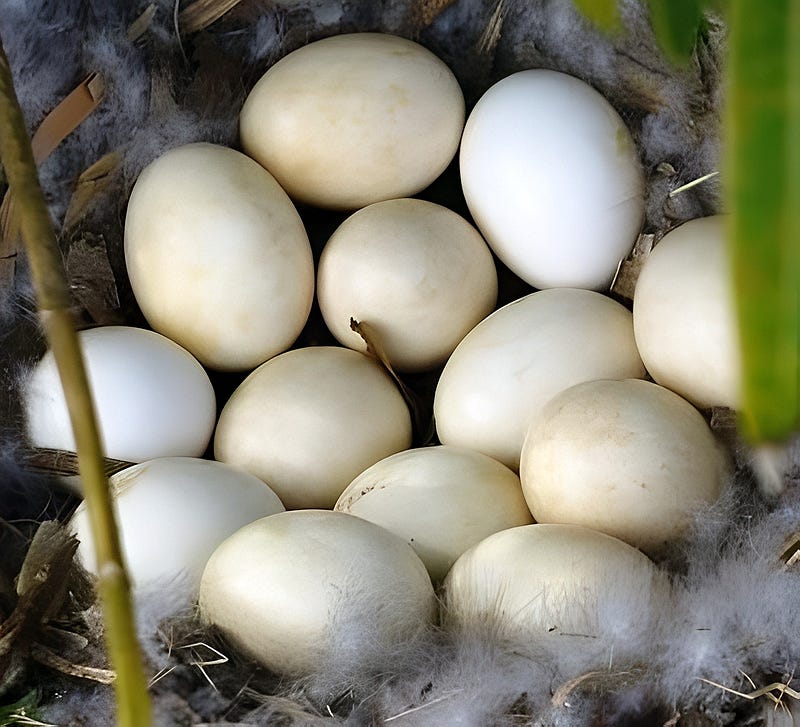
Economically, Muscovies support small-scale farmers in Latin America, Asia, and Africa. Their adaptability to free-range systems makes them ideal for sustainable agriculture, and their lower fat content aligns with growing consumer demand for healthier meats.
Culinary Aspects
The taste of Muscovy duck is bold, closer to veal or sirloin steak than to chicken. The breast, weighing up to 16 oz (450 g) in males, is prized for its tenderness, while the legs develop a deeper, gamier profile when slow-braised. Traditional preparations vary: roasted whole in Mexico with garlic and citrus, marinated with soy and ginger in Southeast Asia, or pan-seared in French cuisine, where the “Magret de canard” has become a culinary icon.
Nutritionally, Muscovy duck provides a lean source of protein, iron, and B vitamins, with significantly less fat than other duck breeds — around 4 g of fat per 3.5 oz (100 g) portion compared with 28 g in Pekin duck.
Wine Pairings
Pairing wine with Muscovy duck requires balancing its beef-like richness and subtle gaminess. A full-bodied red, such as a Cabernet Sauvignon or Syrah, complements roasted breast cuts, while Pinot Noir, with its earthy tones, pairs beautifully with braised legs. For dishes that highlight citrus or Asian spices, a dry Riesling or Gewürztraminer offers aromatic counterpoints that enhance both flavor and texture.
Conclusion
The Muscovy duck is a bird of paradoxes: ancient yet modern, wild yet domesticated, bold in appearance yet gentle in voice. It offers lessons in resilience, biodiversity, and culinary creativity. In a time when food systems strain under environmental pressure, the Muscovy stands as an emblem of adaptability — a bird that nourishes both land and table.
By honoring its ecological role, supporting sustainable farming, and savoring its distinctive flavors, we ensure this remarkable species continues to glide gracefully between the wild and the kitchen.