The Argan Tree: Sideroxylon spinosum and the Living Gold of Morocco
Introduction In the arid lands of southwestern Morocco stands a tree that has fed, healed, and sustained human life for centuries…
Introduction
In the arid lands of southwestern Morocco stands a tree that has fed, healed, and sustained human life for centuries: Sideroxylon spinosum, better known as the argan tree. Revered for its resilience and its liquid gold, argan oil, this ancient species bridges ecology and economy, tradition and modernity. Beneath its thorny branches lies a story of survival, craftsmanship, and sustainability that reaches far beyond the Moroccan steppe.
Taxonomy
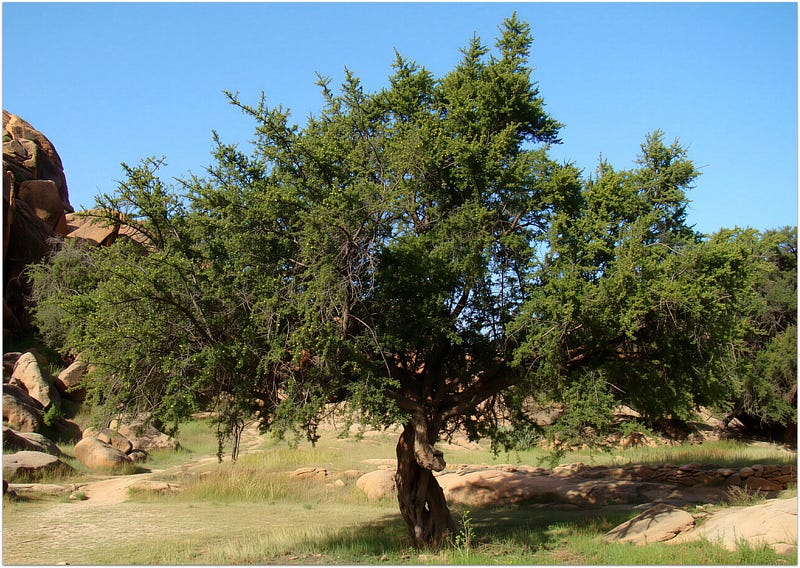
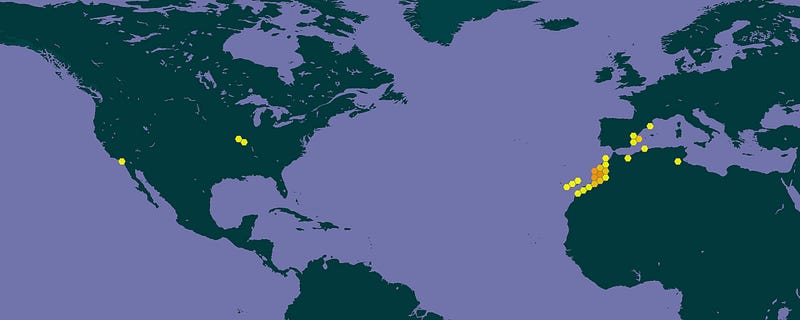
Sideroxylon spinosum belongs to the family Sapotaceae. Its current accepted name is Argania spinosa (L.) Skeels, though the older classification under Sideroxylon persists in some botanical references. Common names include “argan” (Arabic, Morocco), “ironwood” (English, descriptive), and “عَرْجَان” (“ʿarjān,” Arabic, North Africa). In Berber, it is known as “argan” or “arjane.” This monotypic genus is endemic to Morocco, where it dominates the Souss Valley and parts of the Anti-Atlas Mountains, thriving in areas where few trees can grow.
Biology
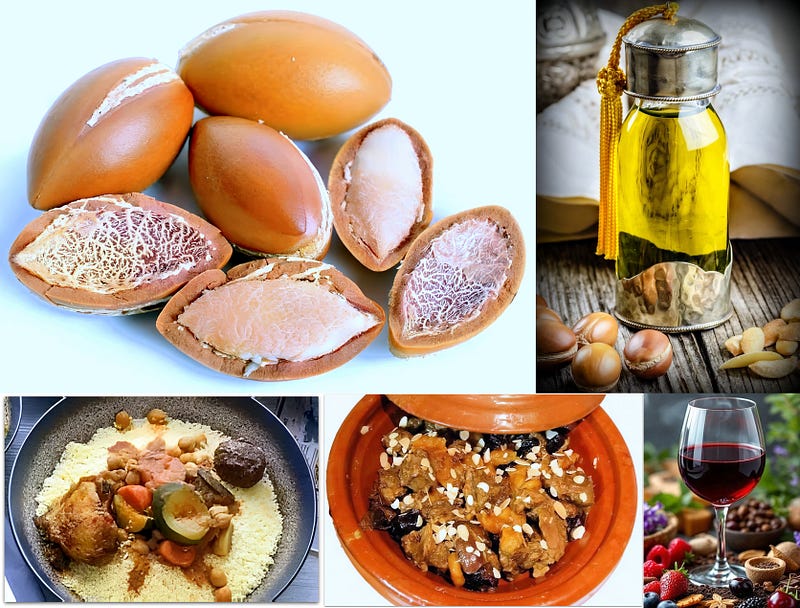
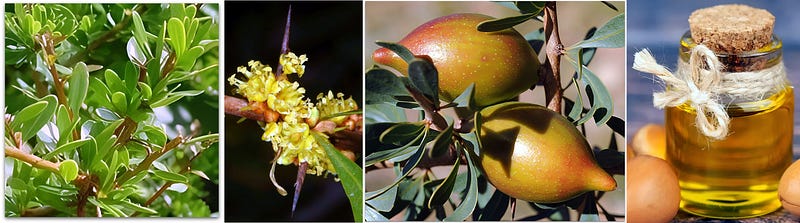
This small, thorny tree typically grows to 8–10 meters (26–33 ft), with a gnarled trunk and dense, spiny crown. It has small, leathery, oval leaves adapted to drought, shedding selectively to conserve water. The yellow-green flowers bloom from April to June and develop into fleshy drupes roughly 2.5–3 cm (1–1.2 in) long. Each fruit contains a hard nut enclosing one to three seeds — argan kernels — from which the oil is pressed. The tree’s life span can exceed 150 years, its roots plunging deep into arid soil, stabilizing slopes, and preventing desertification.
Ecology
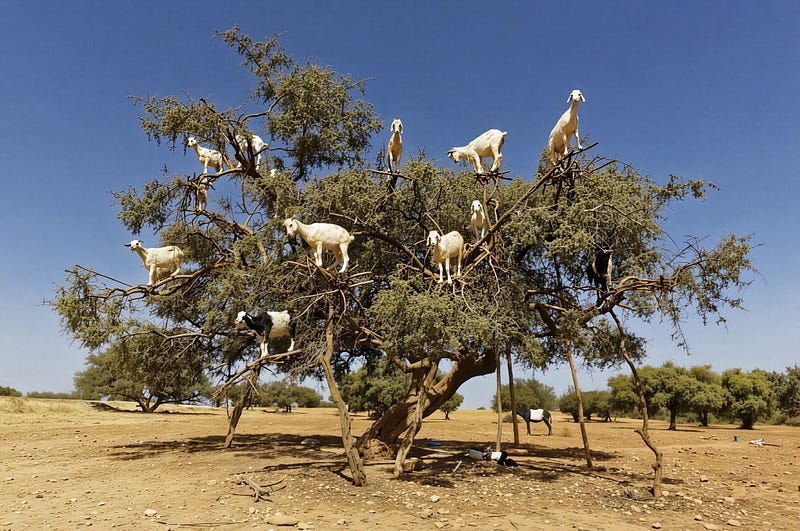
The argan forest is a UNESCO Biosphere Reserve, covering roughly 2.56 million hectares (6.3 million acres). It sustains biodiversity in semi-arid regions where rainfall averages only 200 mm (7.9 in) annually. The tree anchors fragile ecosystems, providing forage for goats, nesting sites for birds, and shade for understory plants. Its role in soil conservation and water retention is critical to preventing erosion. Unsustainable grazing and overharvesting once threatened these forests, but community-based cooperatives have since implemented replanting and regulated oil production to protect this endemic resource.
Uses
The fruit’s kernel yields argan oil, extracted through mechanical cold pressing or traditional hand grinding. Each liter (1.06 qt) of oil requires about 30 kg (66 lb) of fruit. Yields vary by soil and rainfall, averaging 1–2 L (1.06–2.1 qt) of oil per 100 kg (220 lb) of fruit. The edible oil is rich in oleic acid (43–49%), linoleic acid (29–36%), and tocopherols (vitamin E, up to 620 mg/kg). It delivers 884 kcal per 100 g (3.5 oz) and contains powerful antioxidants that enhance cardiovascular health.
Culinarily, argan oil has a deep, nutty aroma and smooth mouthfeel. It is used in Moroccan amlou — a blend of roasted almonds, honey, and oil — and as a finishing oil over couscous, tagines, and grilled vegetables. The roasted oil (for food) differs from the unroasted cosmetic variety, which retains a lighter color and milder scent.
Medicinally, it is applied to treat skin dryness, eczema, and inflammation. Traditional uses include digestive support and wound healing. Active constituents include sterols (schottenol, spinasterol) and polyphenols. Dosage forms range from topical serums to dietary oils. Evidence levels for dermatological efficacy are moderate to strong; internal use evidence is limited but growing.
The by-products of oil extraction — press cake and shells — serve as livestock feed. The press cake provides up to 12% protein and high digestibility for goats and sheep. The shells are used as fuel, providing about 4.8 kWh/kg of energy.
On the agroecological front, Sideroxylon spinosum improves soil organic matter and offers pollinator value, especially for bees. It sequesters roughly 5–6 t CO₂ per hectare annually (2–2.4 t CO₂ per acre). Wood is hard and dense, suitable for carving tools and furniture. Commercial products include argan oil (culinary, cosmetic, pharmaceutical), animal feed, charcoal, and artisanal goods.
The oil fetches premium market prices — averaging $30–50 per L (3.8 qt) — and supports over 2.2 million people, primarily Berber women organized in cooperatives. Certification schemes (Fairtrade, Ecocert) and traceability protocols protect authenticity. The Moroccan state regulates exports through labeling standards and origin protection under “Huile d’Argane du Maroc.”
Culinary Aspects
Argan oil’s flavor combines roasted nut, sesame, and subtle caramel notes. Its viscosity gives a silky texture with medium persistence on the palate and a warm, woody finish. When used raw, it complements honey, figs, and almonds. Heated lightly to 60°C (140°F), it releases deeper aromas but should not exceed 175°C (347°F) to prevent oxidation. The oil’s high monounsaturated content ensures relative stability compared to linseed or walnut oil.
In traditional Moroccan dishes, argan oil enriches tagine d’agneau aux pruneaux (lamb tagine with prunes) and couscous bel argane. In contemporary cuisine, chefs drizzle it over roasted carrots, wild mushrooms, or quinoa salads, pairing its flavor with the sweetness of dates or the acidity of preserved lemon.
Wine Pairings
The deep, nutty intensity of roasted argan oil pairs well with wines of restrained acidity and complex aromatics. A Côtes du Roussillon Villages Grenache Noir offers warm spice and soft tannins that echo the oil’s toasted notes in lamb tagines. For seafood or vegetable dishes finished with raw argan oil, a Savennières (Chenin Blanc, Loire Valley) complements its almond tones with minerality and vibrant structure. When argan oil accompanies sweet preparations like amlou, a Muscat de Beaumes-de-Venise accentuates its honeyed richness without overpowering. Each wine underscores a different sensory register — structure for savory, floral lift for vegetal, and harmony for sweet contexts.
Conclusion
Sideroxylon spinosum is more than a tree; it is a civilization’s partner in endurance. Its deep roots tie human livelihood to ecological integrity, making it a living symbol of sustainable coexistence between people and the land. As climate pressures intensify, the argan tree’s lessons — resilience, adaptation, and balance — offer a blueprint for the future of sustainable agriculture and ethical trade.