The Armor of Spines: Exploring the World of the Spot-Fin Porcupinefish
Introduction
Introduction
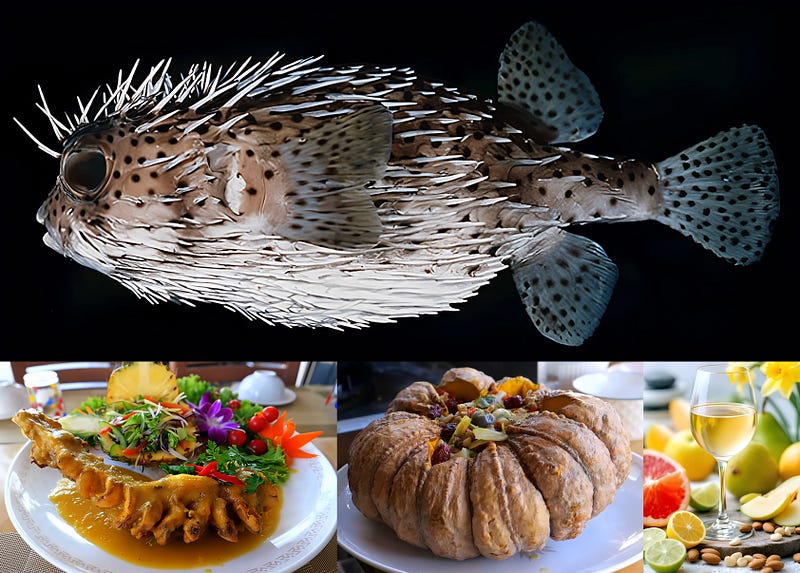
In the shimmering shallows and blue depths of the world’s oceans swims a creature equal parts whimsical and deadly: the spot-fin porcupinefish (Diodon hystrix). At first glance, it looks like a cartoon caricature of a fish — round-eyed, balloon-like, and covered in spines. But behind that comical appearance lies an evolutionary masterpiece of survival. Revered in coastal folklore, sometimes harvested for food, and often admired by divers, this fish embodies the strange dance between beauty, danger, and human desire.
Taxonomy
The spot-fin porcupinefish belongs to the family Diodontidae, a group known as burrfishes or porcupinefishes. Its genus, Diodon, is distinct from puffers in the family Tetraodontidae, though they share the ability to inflate their bodies. The species Diodon hystrix is widely distributed and recognized by its characteristic dark spots and elongated spines. Common names include spot-fin porcupinefish, porcupine puffer, and spiny balloonfish. Unlike domestic food species, there are no subspecies or cultivated varieties; its value is bound to its wild, oceanic existence.

Biology
When threatened, this fish inflates by swallowing water or air, transforming from a torpedo-shaped swimmer into a spiky orb nearly twice its original size. A typical adult measures around 90 cm (about 3 ft) in length, making it one of the larger porcupinefish. Its body is armed with long spines that normally lie flat but stand rigid when it puffs. Beyond its armor, it carries tetrodotoxin — a powerful neurotoxin — in its tissues, making it a perilous choice for the unwary predator or careless human diner.
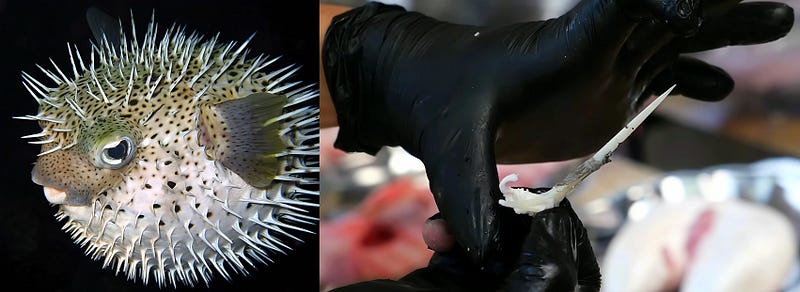
The species matures slowly, with males reaching breeding age at around 2 years and females slightly later. They spawn offshore, releasing eggs that drift with plankton until hatching. Larvae are transparent, vulnerable, and astonishingly small, less than 3 mm (0.12 in) long, before growing into the prickly juveniles recognizable to divers and fishermen alike.
Ecology
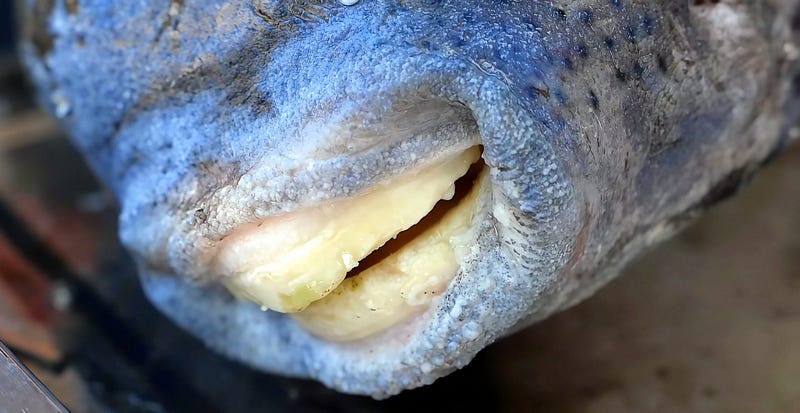
The spot-fin porcupinefish thrives in warm tropical and subtropical seas, commonly seen around coral reefs, rocky ledges, and lagoons at depths ranging from the surface down to about 50 m (164 ft). Its ecological role is that of both predator and prey. It feeds on crustaceans, sea urchins, and mollusks, crushing hard shells with its beak-like teeth. This helps regulate populations of reef invertebrates, maintaining ecological balance.
Yet its numbers are threatened by overfishing, habitat degradation, and the ornamental trade. While not currently endangered, unsustainable harvesting could push it toward vulnerability, particularly given its slow reproductive rate. Sustainable management of reef ecosystems indirectly safeguards this spiny sentinel of the sea.
Uses
In some regions, dried porcupinefish are sold as curiosities, their inflated and preserved bodies hung in shops or homes. Economically, this trade often outweighs its limited food use, since the tetrodotoxin risk makes consumption a gamble. In parts of the Indo-Pacific, it is occasionally prepared for eating by skilled cooks who understand its dangers, but its role in cuisine remains niche and controversial. The more common economic presence is in the dive-tourism industry, where spotting a porcupinefish inflating underwater is a highlight for photographers.
Culinary Aspects
Should one dare to eat it, the spot-fin porcupinefish offers a mild, white flesh with a clean, slightly sweet flavor. Its texture is firm, flaking in large, moist pieces. The aroma when cooked is subtle, leaning more toward shellfish than traditional white fish. Its mouthfeel is smooth yet substantial, with little oiliness. Balance and complexity are minimal; it is a gentle fish, overshadowed by the drama of its biology. The aftertaste is neutral, leaving a clean finish. Its appearance on the plate is unremarkable compared to the spectacle it provides in life, and the chemesthesis — the sensory “bite” of its chemical defenses — remains, thankfully, locked away unless improperly handled.
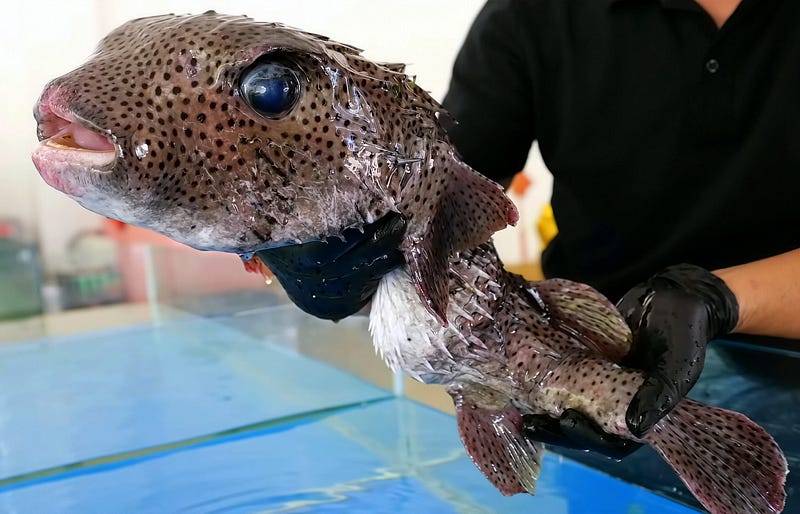
Nutritionally, it mirrors other reef fishes: rich in lean protein, low in fat, with trace minerals like selenium and iodine. However, any nutritional benefit is tempered by the potential risk of toxin exposure. For most cultures, the culinary curiosity of Diodon hystrix is outweighed by prudence.
Wine Pairings
If one were to safely enjoy porcupinefish prepared by a trained chef, a crisp, mineral-driven white wine would be the ideal companion. A Chablis from Burgundy, with its lean acidity and flinty undertones, could echo the clean, marine flavors. Alternatively, a Vermentino from Sardinia, with hints of citrus and herbs, pairs beautifully with the mild sweetness of the flesh. For a richer preparation — perhaps grilled with garlic and herbs — a lightly oaked Chardonnay would provide enough body without overwhelming the delicacy of the fish.
Conclusion
The spot-fin porcupinefish is a paradox of the sea: absurdly charming yet lethally armed, fragile in its ecosystem yet resilient in design. It reminds us of the delicate tightrope that marine life walks between survival and spectacle, caution and curiosity. As reefs face mounting pressures from climate change and human activity, protecting this species is not just about saving a quirky oddity but preserving the intricate web of life it represents. In the end, perhaps the greatest pleasure lies not on the plate but in watching a porcupinefish drift like a living balloon through coral gardens, armored yet oddly serene.