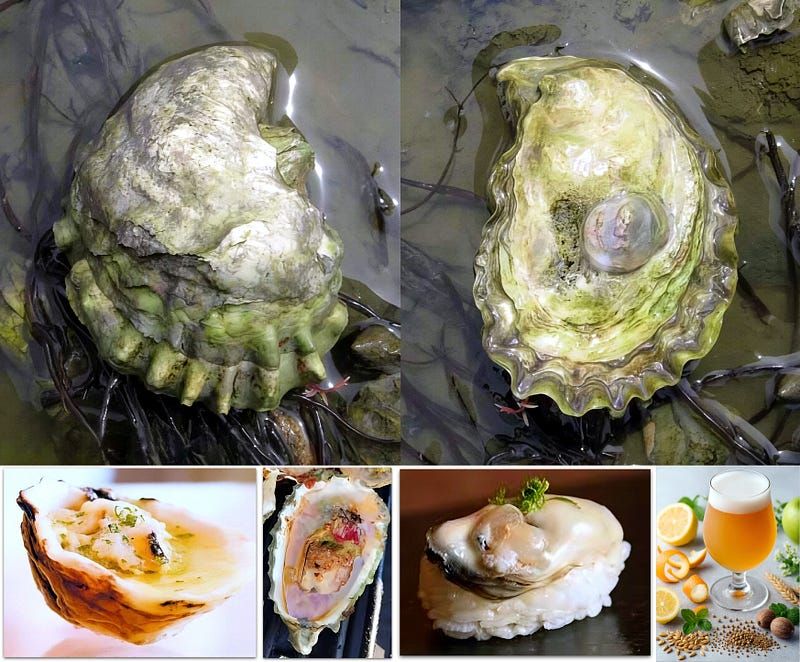
The Bitter Herb: Unlocking the Secrets of Common Tansy (Tanacetum vulgare)
Introduction
Introduction
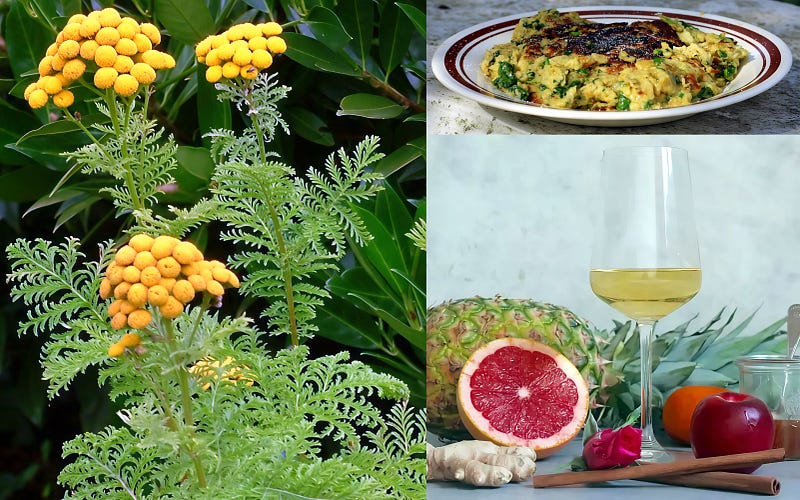
In meadows, roadsides, and forgotten gardens across Europe and North America, a tall herb with fern-like leaves and button-shaped golden blooms quietly persists. This is tansy, Tanacetum vulgare — a plant both revered and reviled throughout history. Once a staple in medieval kitchens and apothecaries, tansy straddles the line between medicine and poison, culinary delight and dangerous indulgence. Its story is one of resilience, tradition, and caution, reminding us of the fine balance between nature’s gifts and nature’s warnings.
Taxonomy
Tansy belongs to the Asteraceae family, sharing kinship with daisies, chrysanthemums, and marigolds. Its genus, Tanacetum, encompasses nearly 150 species, many prized for medicinal or ornamental qualities. The common tansy, Tanacetum vulgare, has earned dozens of folk names — bitter buttons, golden buttons, and parsley fern among them. Unlike some of its cousins used freely in cooking, common tansy is notable for its potent, sometimes toxic oils, which give rise to its complicated reputation.
Biology
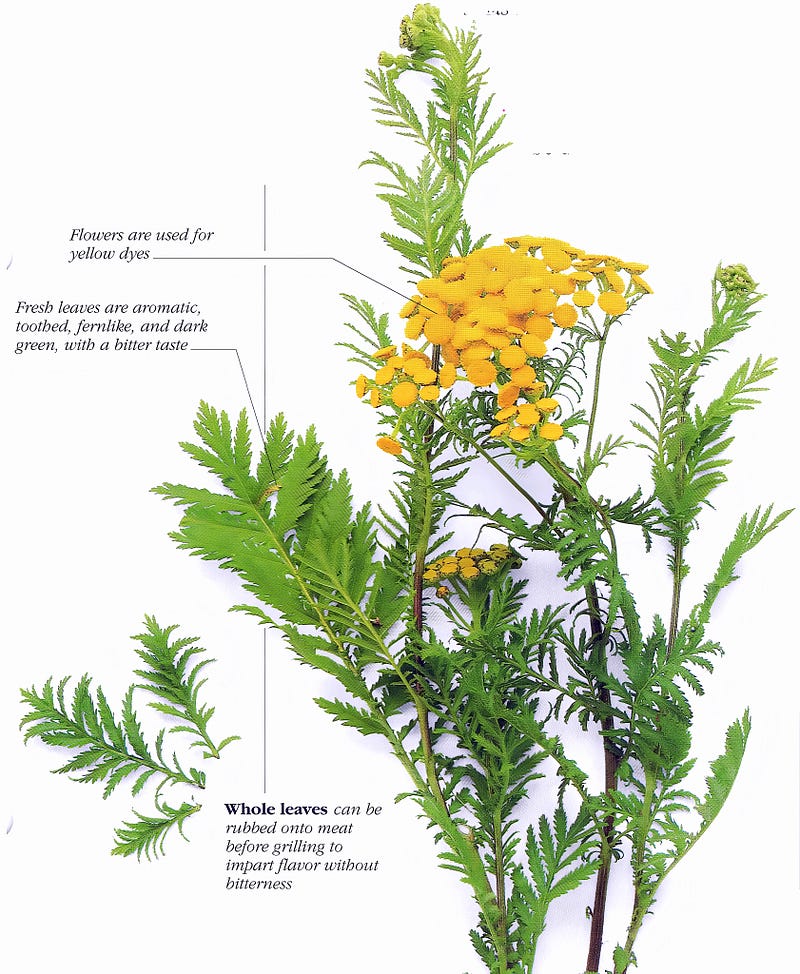
Rising between 2 to 5 ft (60 to 150 cm) tall, tansy is distinguished by its deeply lobed, feathery leaves and clusters of yellow disc florets that resemble coins pressed by hand. The plant is perennial, sprouting anew each spring from creeping rhizomes and spreading with impressive vigor. Its life cycle and adaptability make it hardy enough to thrive in disturbed soils where more delicate plants falter. The bitter, camphor-like scent it releases when crushed is not mere fragrance — it is a chemical shield against pests and herbivores.
Ecology
Native to Europe and Asia, tansy has naturalized across North America, sometimes considered invasive. It grows in sunny, well-drained soils along roadsides, riverbanks, and open fields. Ecologically, tansy offers nectar and pollen to late-summer pollinators, though its aggressive growth can outcompete native wildflowers. Conservationists debate its dual role: both as a valuable nectar source and as a threat to biodiversity. Sustainable management often requires balancing its presence rather than eliminating it outright.

Uses
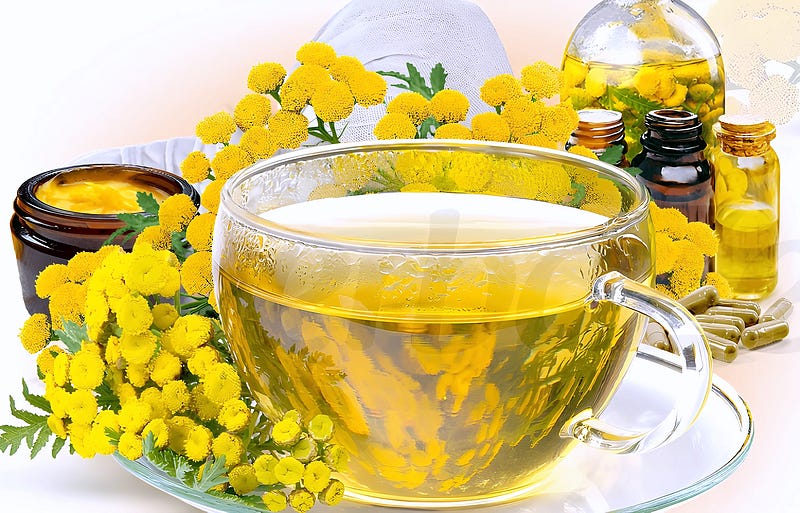
Historically, tansy carried weight as a medicinal herb. Infusions were once prescribed for digestive troubles, fevers, and even as a vermifuge. In the Middle Ages, its symbolism extended to religion, where it was baked into Easter cakes as a reminder of resurrection and the bitterness of life. Today, tansy oil is used sparingly in natural insect repellents and organic farming, though its commercial role is minor compared to safer alternatives. Economically, its greatest value lies in niche herbal markets and as a heritage plant with cultural resonance.
Culinary Aspects
Here lies the most controversial chapter. Tansy’s bitter flavor — sharp, resinous, and vaguely reminiscent of rosemary crossed with wormwood — was once a prized seasoning. Traditional “tansy puddings” and “tansy omelets” were eaten in Britain as seasonal fare. But the same compounds that lend this bold taste, chiefly thujone, also make it potentially toxic in large amounts. A handful of fresh leaves, around 0.25 oz (7 g), might flavor a dish; beyond that, caution must prevail. In modern kitchens, tansy is rarely used; its culinary role is largely ceremonial or historical, a reminder that flavor sometimes carries a price.
Wine Pairings
Were one daring enough to revive tansy as a seasoning, pairing it requires a wine bold enough to meet its bitterness. A dry Riesling, with its sharp acidity and mineral notes, could balance tansy’s herbal intensity. Alternatively, a full-bodied Gewürztraminer, with its floral and spicy profile, might soften the harsher edges. In theory, a 12% ABV white with crisp aromatics would hold its own against this ancient herb, though few sommeliers today would recommend the experiment outside of historical reenactment.
Conclusion
Tansy is a paradoxical plant: beautiful yet invasive, flavorful yet toxic, useful yet dangerous. Its story reminds us of an older relationship with plants, one less mediated by regulation and more reliant on inherited wisdom. To study tansy is to glimpse a time when every herb in the hedgerow was medicine, food, or both. It is a botanical cautionary tale, a reminder that respect and restraint are as important in the kitchen as in the field. In the age of sustainability, tansy challenges us to think about how we value heritage species — whether as relics of culture, tools for ecology, or warnings about excess.