The Deep Smoke of Anatolia: The Story and Science of Urfa Biber
Introduction In the volcanic soils of Şanlıurfa, southeastern Turkey, a pepper is born that tastes of sunlight, smoke, and patience. Known…
Introduction
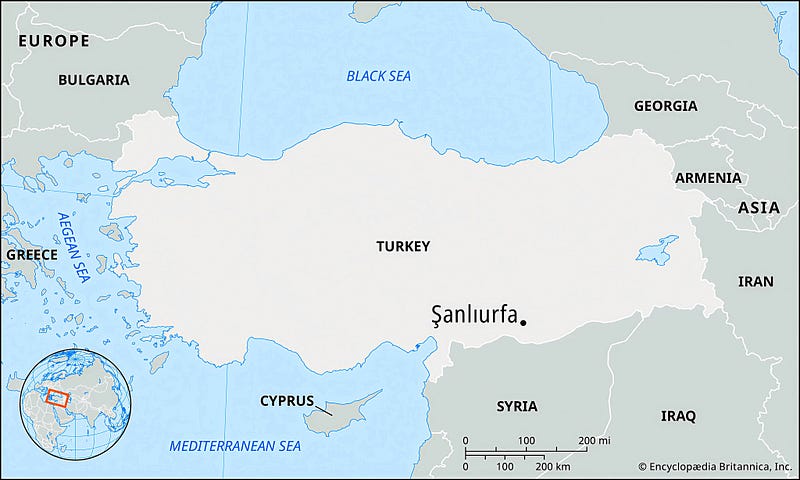
In the volcanic soils of Şanlıurfa, southeastern Turkey, a pepper is born that tastes of sunlight, smoke, and patience. Known as Urfa biber — literally “pepper from Urfa” — this deep maroon spice carries the soul of its origin: arid heat by day, cool air by night, and a tradition that turns simple capsicum into an instrument of slow intensity. It is not merely a condiment; it is an agricultural craft, a cultural signature, and a case study in how terroir and technique converge to produce sensory complexity rivaling wine or single-origin chocolate.
Taxonomy
Urfa biber belongs to the species Capsicum annuum, a member of the Solanaceae family, which also includes tomatoes and eggplants. Within this species, it represents a local Turkish landrace cultivated around Şanlıurfa Province. Common names include Urfa pepper (English, global culinary term), isot biberi (Turkish, Turkey), poivre d’Urfa (French, used in French haute cuisine), and فلفل أورفة (filfil Urfa, Arabic, Levant region). Its genetic lineage traces to Central American wild capsicums domesticated over 6,000 years ago, but the Urfa variety’s evolution under Anatolia’s semi-arid climate has produced a distinctive alkaloid and sugar profile, yielding moderate heat and deep umami.
Biology
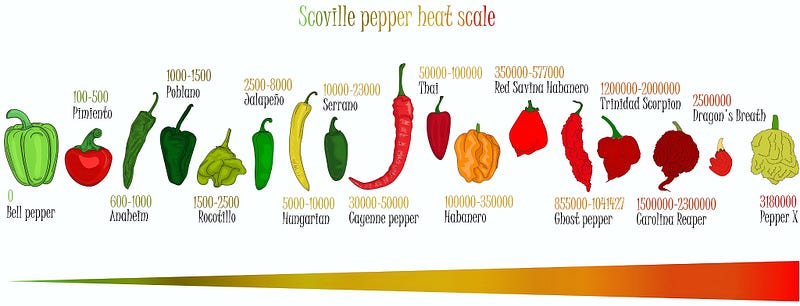
Urfa biber plants reach approximately 60–90 cm (24–35 in) in height, with dark green leaves and pendulous fruits that ripen from green to deep burgundy. Each fruit measures roughly 7–10 cm (2.8–4 in) long. The pepper’s unique flavor chemistry arises from its capsaicinoid-to-sugar ratio and post-harvest enzymatic browning. Unlike high-heat cultivars like Capsicum chinense (e.g., ghost pepper), Urfa’s Scoville rating averages around 30,000–50,000 SHU — hot, but not punishing. Its cellular structure retains essential oils that deepen during drying, while polyphenols stabilize color and antioxidant content.
Ecology
The Şanlıurfa region offers alkaline soils, moderate fertility, and an average annual temperature of 20°C (68°F). Rainfall is sparse, so most production relies on irrigation from the Euphrates basin. This semi-arid environment promotes thick-skinned fruit development and high sugar accumulation, ideal for the slow drying and fermentation process that defines isot. Sustainable cultivation practices increasingly use drip irrigation to conserve water and integrated pest management to reduce chemical load. Urfa biber supports smallholder livelihoods, acting as a keystone crop in the region’s agro-economy and reinforcing cultural biodiversity.
Uses
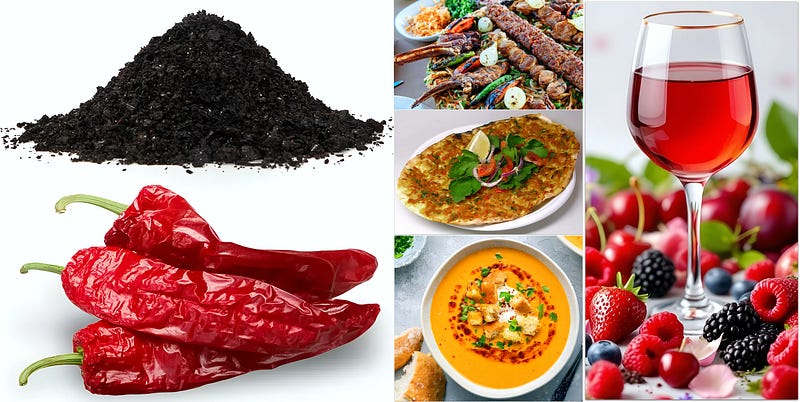
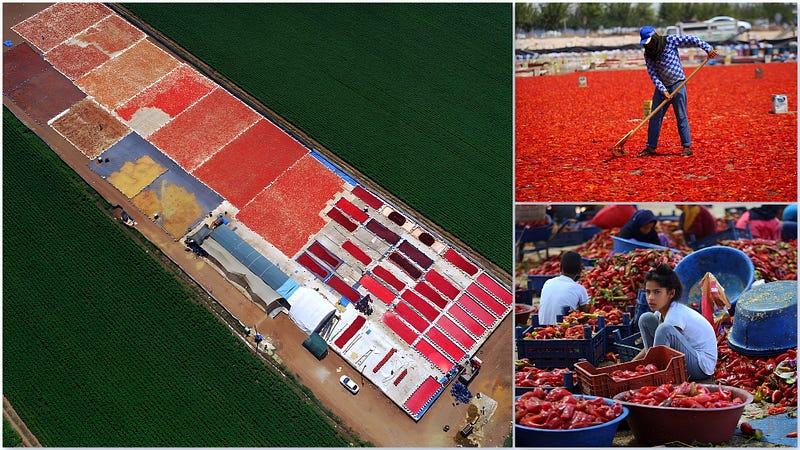
Urfa biber is harvested, sun-dried by day, and sweated under cloth by night to induce partial fermentation. The edible part is the pericarp, with seeds often removed to soften heat. Dried flakes are dark crimson to black and slightly oily due to natural essential oils. Traditional dishes include kebabs, lahmacun, and mercimek çorbası (lentil soup). Peak harvest season spans August to October. Yield averages 2.5–3.0 metric tons per hectare (2,230–2,680 kg/ha or about 2,000–2,400 lb/acre). Caloric content is 282 kcal per 100 g (about 80 kcal per oz). Nutrients include high vitamin C, carotenoids, capsaicin, and iron.
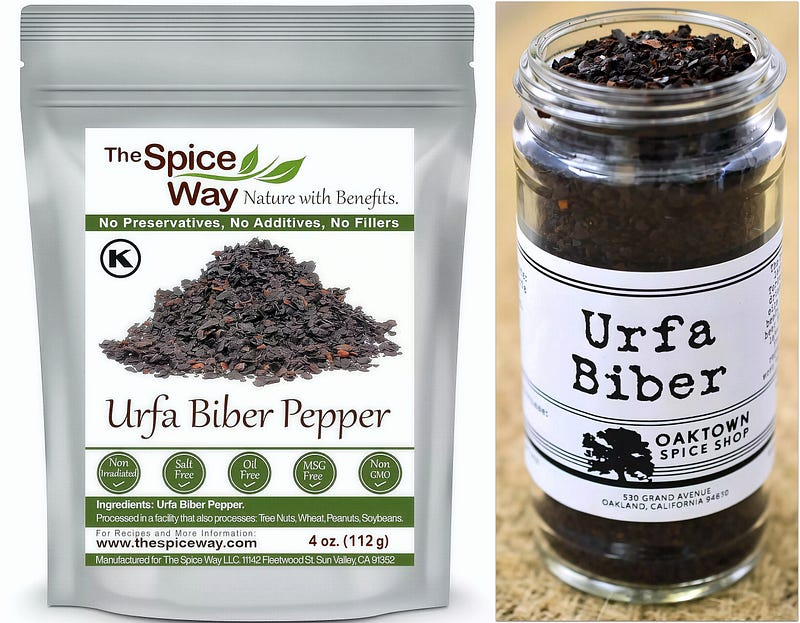
Anti-nutrients such as tannins and saponins occur at trace levels, with no known toxicity. Processing involves grinding semi-fermented pods into flakes, occasionally mixed with a touch of olive oil and salt. Commercial forms include flakes, paste, infused oil, and seasoning blends. The taste profile is smoky, raisin-like, and earthy with hints of chocolate and tobacco. Texture is soft and pliable. Ideal cooking methods involve gentle heat — sprinkled over roasted meats or folded into olive oil. Its flavor stability is high when stored below 20°C (68°F) in airtight containers.
Medicinally, capsaicin contributes mild analgesic and metabolic effects. Traditional use associates isot with improved circulation and digestion. No major contraindications exist except for gastritis or capsaicin sensitivity. Turkish producers often follow ISO 22000 and HACCP standards, with some applying for Protected Designation of Origin (PDO) certification. Export prices range between 10–20 USD per kg (4.5–9.1 USD per lb), depending on quality and oil content.
Agronomically, Capsicum annuum contributes organic carbon back to the soil via crop residues and benefits pollinator activity through floral nectar. Carbon sequestration estimates reach 0.5–1.2 metric tons CO₂ per hectare per year (0.45–1.1 short tons CO₂/acre/year). Environmental impact is minimal, provided irrigation runoff is managed. Byproducts such as seed cake can be repurposed as low-fat feed, though capsaicinoids reduce palatability.
Culinary Aspects
Urfa biber’s sensory architecture is layered and slow-burning. Its taste is dark-fruited, mildly salty, and umami-driven, with balanced heat that develops over seconds rather than seconds. The flavor profile suggests prune, espresso, and pomegranate molasses. Aroma evokes pipe tobacco and sundried tomato. Mouthfeel is silky and rich, never abrasive. Texture remains soft, almost chewy, in contrast to brittle chili flakes. The balance leans toward sweetness and smoke, with a complex finish that lingers as warmth rather than sting. Chemesthetic sensation is moderate, stimulating without overwhelming.
Culturally, Urfa biber symbolizes southeastern Anatolia’s culinary identity. It anchors meze tables and complements both grilled lamb and modern vegan dishes. Nutrition-wise, it offers antioxidants and metabolism-boosting compounds without high sodium or fat content. Its integration into Mediterranean and fusion cuisine reflects a growing global interest in terroir-driven spices.
Wine Pairings
Urfa biber’s smoky sweetness and earthy depth pair best with wines showing medium body, gentle tannins, and dark fruit notes. A Turkish Öküzgözü from Elazığ offers red plum and spice that echo the pepper’s warmth. For grilled lamb with isot, a Southern Rhône blend like Gigondas balances heat with herbal garrigue and soft acidity. Urfa biber in olive-oil-based meze aligns beautifully with a Greek Xinomavro rosé, whose savory minerality counteracts oil richness. In modern contexts, an aged Tempranillo from Ribera del Duero harmonizes through shared tobacco and leather undertones. For vegetarian or lentil dishes, a Sicilian Frappato’s cherry brightness cuts through the pepper’s smoke, elevating both.
Conclusion
Urfa biber embodies what happens when place, patience, and human tradition shape flavor. It is agricultural heritage rendered edible — a story of adaptation in harsh landscapes and of flavor born from restraint. As global gastronomy shifts toward authenticity and sustainability, Urfa biber stands as proof that terroir-driven spice, cultivated with respect for both soil and culture, remains one of humanity’s finest expressions of taste and time.