
The Echo of the Mountains: Exploring the Altai Snowcock (Tetraogallus altaicus)
Introduction High above the tree line of Central Asia’s Altai Mountains, where snow meets stone and air thins to near silence, lives one of…
Introduction
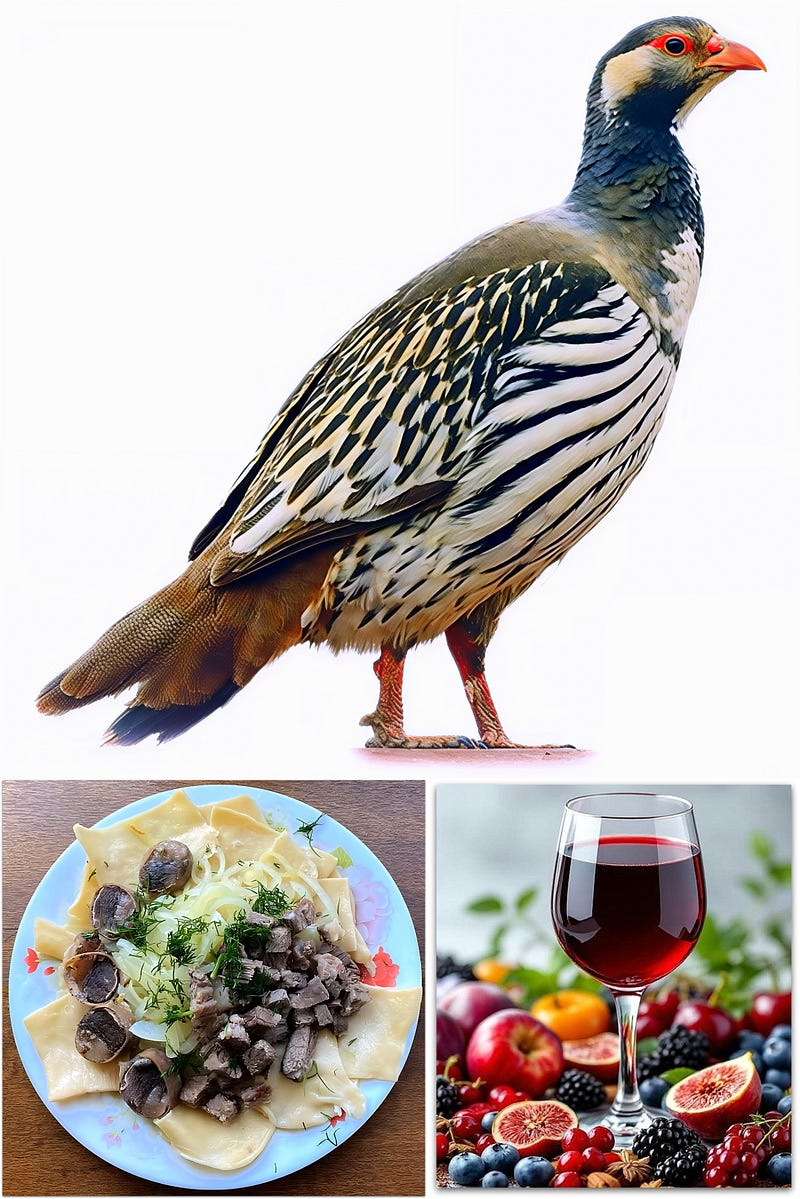
High above the tree line of Central Asia’s Altai Mountains, where snow meets stone and air thins to near silence, lives one of the most elusive birds of the steppe: the Altai snowcock (Tetraogallus altaicus). This hardy gamebird is a symbol of altitude and endurance — its call is a haunting echo that rolls down glacial valleys. More than just a mountain dweller, it represents the intricate balance between tradition, ecology, and sustainability across the rugged frontiers of Mongolia, Kazakhstan, Russia, and China. To study or taste the snowcock is to experience the flavor and fragility of an alpine ecosystem at its limits.
Taxonomy
The Altai snowcock belongs to the family Phasianidae, within the order Galliformes, which also includes pheasants and partridges. Its scientific name, Tetraogallus altaicus, was first described by Gebler in 1836. This species is closely related to the Himalayan snowcock (Tetraogallus himalayensis) and the Caucasian snowcock (Tetraogallus caucasicus).
Common names reflect regional reverence. In English, it is known simply as the “Altai snowcock.” In Mongolian, it is called “Цаст хярсаг шувуу” (Tsast khyarsag shuvuu), meaning “snowy mountain bird.” Russian hunters refer to it as “Алтайский улар” (Altayskiy ular). In Kazakh, it is known as “Ақ таулы ұлар” (Aq tauly ular). Each name reflects its association with alpine landscapes and its role in local hunting traditions.
There are no recognized subspecies, but populations show minor morphological variations across their range, adapting to different elevations and microclimates of the Altai massif.
Biology
The Altai snowcock is a robust bird measuring about 60 cm (24 in) in length, with a wingspan reaching 90 cm (35 in) and an average weight of 2.5 kg (5.5 lb). Its plumage blends seamlessly with scree and lichen-covered rock — grayish-brown streaks across the back, a white belly, and a distinctive white patch under the tail. Males are slightly larger and more vocal during the breeding season.
Adapted to life above 2,500 m (8,200 ft), the snowcock thrives in thin air and subzero temperatures. It forages mostly on alpine herbs, roots, shoots, berries, and seeds, shifting to stored plant material in winter. The bird’s musculature, especially its pectorals, is built for rapid bursts of flight up steep slopes, a necessary escape from predators such as golden eagles and snow leopards.
Reproduction occurs once yearly in late spring. The female lays 5–9 eggs in a ground nest lined with moss and feathers. Chicks are precocial, walking within hours and capable of short flights by two weeks. Lifespan averages 7–9 years in the wild, though high-altitude predation limits survival.
Ecology
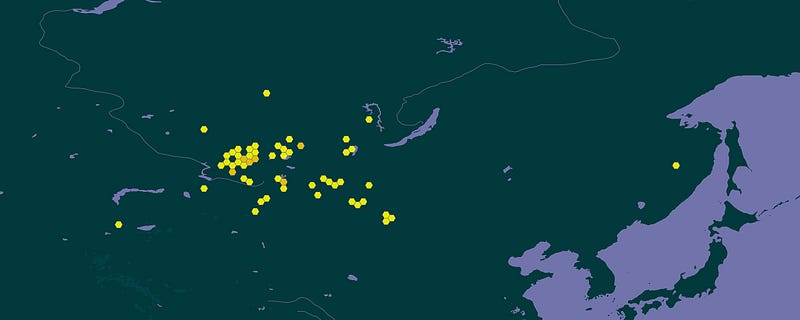
This species occupies alpine meadows and rocky ridges across the Altai-Sayan range, typically between 2,000–4,000 m (6,600–13,100 ft). It favors areas with sparse vegetation interspersed with boulders for concealment. The Altai snowcock plays a role as both grazer and prey, maintaining alpine plant diversity by selective foraging while feeding raptors and carnivores.
Climate change poses a slow but serious threat. Warming trends are shifting vegetation zones upward, compressing the snowcock’s habitat against an ecological ceiling. Overhunting in certain regions, particularly where traditional hunting overlaps with tourism-driven demand, also pressures populations. Sustainable harvest quotas and cross-border conservation efforts — such as the Altai-Sayan Ecoregion Initiative — are increasingly vital for maintaining viable populations.
Uses
Historically, the Altai snowcock has been hunted for food and feathers. Its edible parts include the breast, thighs, and liver. Meat yield averages 1.2 kg (2.6 lb) per bird, translating to roughly 15–20 kg/ha (13–18 lb/acre) in productive hunting zones. The meat provides about 165 kcal per 100 g (3.5 oz) with 24 g protein, 7 g fat, and negligible carbohydrates. It is rich in iron, zinc, and B vitamins, but can be tough if overcooked due to the bird’s active musculature.
Anti-nutritional or toxicity factors are minimal; however, because the bird often forages on alpine plants containing secondary metabolites, resting meat for 24 hours before cooking is customary to mellow strong flavors.
Commercially, snowcock is not widely available due to its limited distribution and protected status. Where legal, it appears in local markets under hunting permits. Taste is deep and earthy, resembling a cross between wild duck and venison, with a mineral finish derived from alpine herbs. Aroma is subtle, slightly resinous; texture is firm yet juicy when roasted properly. Best methods include slow roasting at 180°C (356°F) for about 45 minutes or confit in its own fat for 2 hours at 90°C (194°F).
Culturally, it is sometimes prepared in Mongolian stews with root vegetables and juniper berries, or roasted over an open fire in Kazakh highland camps. Medicinally, traditional Mongolian healers once regarded snowcock broth as strengthening for the lungs and joints, though modern pharmacology finds no verified bioactive compounds.
Conservation regulations restrict harvest to licensed hunters during autumn, with strict traceability and quotas monitored by regional wildlife agencies. Its IUCN conservation status is “Least Concern,” though localized declines warrant caution.
Culinary Aspects
The taste of Altai snowcock reflects its mountain home: concentrated, clean, and aromatic. Flavor notes include juniper, thyme, and cold mineral tones from alpine flora. The meat’s balance leans toward savory umami with slight gaminess and iron depth. Mouthfeel is dense but refined when aged; finish is long and herbal. Proper cooking minimizes chewiness and preserves moisture.
In appearance, the meat is dark with a crimson sheen. Aroma develops complexity when marinated in sour cream or kefir, a regional technique that softens the muscle fibers and rounds the flavor. When grilled, chemesthetic sensations — light tingling and warmth from char and juniper smoke — enhance sensory complexity.
Culturally, the snowcock is often served during celebrations marking the hunting season, symbolizing endurance and prosperity. Its culinary rarity has elevated it from subsistence to delicacy, particularly in Mongolian and Siberian gastronomy circles that emphasize ethical hunting and ecological respect.
Wine Pairings
Given its robust, mountain-born flavor, the Altai snowcock pairs best with wines that echo alpine freshness and structured depth. A Swiss Cornalin from Valais complements roasted preparations, its cherry and spice notes cutting through gamey richness while aligning with the bird’s herbal undertones. For stewed or confit dishes, a Hungarian Kékfrankos (Blaufränkisch) provides bright acidity and dark-fruit complexity that balances the meat’s density.
Where snowcock is prepared with fermented dairy or wild herbs, an Austrian Grüner Veltliner offers peppery citrus lift and textural tension. For richer preparations, a Georgian Saperavi gives tannic backbone and plum depth without overpowering the delicate mountain aromatics. Each pairing reinforces the snowcock’s dual nature — earthy yet elevated.
Conclusion
The Altai snowcock embodies the intersection of altitude, adaptation, and ancestry. Its survival mirrors the resilience of the mountains themselves — a biological relic thriving against the odds. Protecting this bird is not merely an act of conservation but of cultural continuity. As climate and commerce reshape the highlands, the snowcock’s call remains a reminder that balance between consumption and respect defines sustainability at the roof of the world.