The Healer’s Lace: Yarrow’s Botanical, Culinary, and Cultural Legacy
Yarrow, known to science as Achillea millefolium, is more than just a wildflower. It is a living thread connecting the ancient world’s…
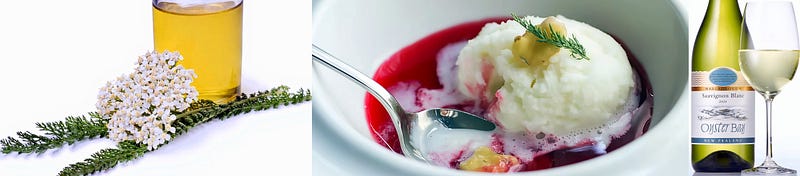
Yarrow, known to science as Achillea millefolium, is more than just a wildflower. It is a living thread connecting the ancient world’s battlefield remedies to today’s herbal teas and ecological restoration projects. Its feathery leaves and flat-topped blossoms have served as both healer and symbol, a plant that has walked alongside humanity for millennia. From the plains of Eurasia to the meadows of North America, yarrow has adapted to nearly every environment it encounters, making it a resilient botanical companion worthy of both study and admiration.
Taxonomy
Achillea millefolium belongs to the Asteraceae family, a vast and diverse group that also includes daisies, sunflowers, and chamomile. The genus Achillea encompasses more than one hundred species, but millefolium — whose name means “thousand leaves” in Latin — remains the most widely recognized. Common names include milfoil, soldier’s woundwort, and herbal militaris, each a clue to its medicinal history. Regional varieties such as the pink-flowered Achillea millefolium var. rubra and the pale, cream-toned var. rosea add ornamental charm while maintaining the same core medicinal profile.
Biology
Yarrow is a hardy perennial that grows between 1 and 3 ft (30 to 91 cm) tall, with finely divided leaves that give it a delicate, lace-like appearance. Each leaf segment is small, fern-like, and aromatic when crushed. In late spring through early autumn, clusters of tiny composite flowers — white, pink, or pale yellow — bloom in tight umbels, attracting pollinators in abundance. The plant’s deep taproot and rhizomatous growth habit make it drought-tolerant and persistent, allowing it to colonize disturbed soils and thrive in conditions where more delicate plants fail. Yarrow reproduces by seed and through its creeping rhizomes, enabling it to form dense patches that hold soil and outcompete invasive weeds.
Ecology
Native to temperate regions of the Northern Hemisphere, yarrow flourishes in meadows, grasslands, and open forests. It is equally at home along roadsides as in cultivated gardens. Ecologically, it supports a wide range of beneficial insects, from pollinators like bees and butterflies to predatory species that help control pests. Its deep roots help prevent erosion, and its tolerance for poor soils makes it an ideal candidate for ecological restoration and low-water landscaping. Because it can naturalize aggressively, gardeners are encouraged to plant native varieties to avoid displacing local flora.

Uses
Historically, yarrow earned its place in the healer’s satchel for its ability to staunch bleeding — legend holds that Achilles himself used it to treat the wounds of his soldiers, hence the genus name. In addition to its medicinal role, it has long been valued in agriculture as a companion plant, improving soil quality and deterring harmful insects. Economically, yarrow is grown for herbal medicine, cosmetics, and floral arrangements. Its essential oils are distilled for use in perfumes and salves, while dried leaves and flowers are packaged for teas and tinctures.
Culinary Aspects
While more famous as a medicinal herb, yarrow’s tender young leaves offer a subtle, bitter-herbal flavor reminiscent of tarragon and mild anise. These can be added sparingly to salads or soups, where they lend complexity without overwhelming the dish. Yarrow tea, brewed from fresh or dried flowers, is earthy with a slightly floral top note and has been used in traditional medicine to aid digestion. Due to its potent nature, culinary use should be moderate — much like rosemary or sage, a little goes a long way.
Wine Pairings
The herbal sharpness of yarrow pairs best with wines that have a clean acidity and light body, balancing its bitterness while amplifying its floral tones. A crisp Sauvignon Blanc from Marlborough, with its notes of gooseberry and citrus, works beautifully in dishes where yarrow plays a supporting role. For richer preparations, such as yarrow-infused cream sauces for poultry, a dry Riesling offers enough acidity to cut through the richness while complementing the herb’s aromatic complexity.
Conclusion
Yarrow is the kind of plant that defies simple categorization. It is at once a wildflower, a healer, a soil-restorer, and a culinary accent. Its resilience mirrors its long relationship with humanity — surviving wars, migrations, and centuries of changing landscapes. To cultivate yarrow is to invite into one’s garden a fragment of botanical history and a partner in ecological stewardship. As we look toward more sustainable ways of living, yarrow stands as a reminder that sometimes the most enduring solutions are rooted in the wisdom of the past.