The Hidden Elegance of Galingale: Nature’s Aromatic Treasure
There is a quiet poetry in the marshes of Europe, where slender green blades sway with the wind, their roots threading deep into damp soil…
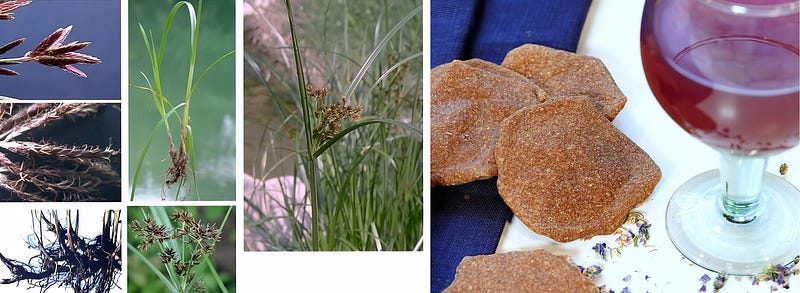
There is a quiet poetry in the marshes of Europe, where slender green blades sway with the wind, their roots threading deep into damp soil rich with history and promise. Here grows a plant once whispered about in medieval markets and praised by cooks and apothecaries alike. Galingale, known to science as Cyperus longus, carries with it the perfume of forgotten feasts and the resilience of wild wetland life. To explore it is to step into a world where biology meets culinary artistry and sustainability becomes more than a buzzword — it becomes a way of living in harmony with the earth.
Taxonomy
Galingale belongs to the genus Cyperus within the family Cyperaceae, a group often referred to as sedges. It is classified scientifically as Cyperus longus L., a perennial species recognized by many common names, including English galingale, sweet cyperus, and in some regions, long-rooted sedge. Unlike its close relatives, such as Cyperus esculentus (the source of edible tiger nuts), C. longus is celebrated not for a tuberous harvest but for the aromatic rhizomes that hide beneath the soil’s surface.
Biology
The plant presents itself with narrow, triangular stems rising to heights of about three feet, which equals roughly 0.9 meters. Its leaves are dark green and glossy, radiating in a fanlike grace. Beneath the surface, its rhizomes are knotted and fragrant, exuding an earthy, spicy aroma when broken apart. This perennial thrives through a seasonal cycle, sending up new shoots in spring, flowering in high summer, and retreating quietly underground in winter. Its adaptations are subtle but effective, allowing it to survive waterlogged soils and periods of drought with equal poise.
Ecology
Cyperus longus favors wet meadows, stream banks, and marshlands across Europe, North Africa, and parts of the Middle East. Its ecological role is significant — it stabilizes soil with its root networks and provides microhabitats for countless invertebrates. As wetland environments face threats from drainage and development, the preservation of galingale’s habitat becomes a small but meaningful piece of broader conservation efforts. Restoring wetlands and protecting riparian zones ensures that this species, along with the ecosystems it supports, remains a part of our living heritage.

Uses
Historically, galingale’s rhizomes were harvested, dried, and ground into powders used in both perfumery and medicine. In modern sustainability-driven markets, it has found new relevance as a natural fragrance ingredient, offering an alternative to synthetic fixatives. Small-scale cultivators experiment with it as a specialty crop, recognizing that its growth requires minimal chemical input and thrives in marginal lands not suitable for conventional agriculture.
Culinary Aspects
Cooks in medieval Europe prized galingale for its warm, gingery flavor that lent depth to sauces, stews, and spiced wines. When grated fresh, the rhizome releases a resinous sweetness with a peppery kick, reminiscent of cardamom and nutmeg, yet uniquely its own. Today, adventurous chefs rediscover it as a seasoning for game meats, roasted root vegetables, and even craft beers. A mere half ounce, equal to about 14 grams, of dried galingale powder can transform a dish, delivering both complexity and nostalgia. Rich in antioxidants and essential oils, it adds not only taste but also subtle health benefits.
Wine Pairings
When used in hearty dishes, galingale’s warm spice harmonizes beautifully with robust reds like a Syrah or Grenache, whose dark fruit notes echo the plant’s earthy undertones. In lighter preparations — such as a galingale-infused broth — an oaked Chardonnay or a dry Chenin Blanc provides a bright counterpoint, creating a balance of creaminess and spice that lingers on the palate.
Conclusion
In a world searching for roots — literal and metaphorical — galingale stands as a testament to the value of looking back to move forward. It is a plant steeped in tradition, yet ripe for innovation, linking us to ancient kitchens and future fields. As we savor its flavor or plant its rhizomes in the marshy corners of our gardens, we participate in a story that honors both culture and conservation. Let galingale inspire you to explore, to cook with curiosity, and to remember that the rarest treasures often grow quietly, waiting for us to notice.