The Psychology of Chess: A Comprehensive Analysis of the Mind’s Greatest Game
Chess stands as one of humanity’s most enduring intellectual pursuits, transcending mere gameplay to become a profound laboratory for…
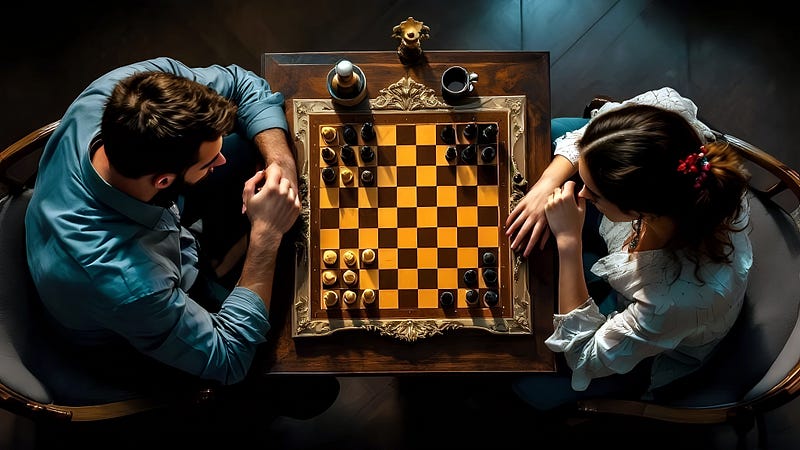
Chess stands as one of humanity’s most enduring intellectual pursuits, transcending mere gameplay to become a profound laboratory for understanding the human mind. Far from being simply a strategic board game, chess reveals the intricate workings of cognition, emotion, and decision-making under pressure. This comprehensive examination explores the psychological dimensions of chess, from its historical foundations through contemporary neuroscientific insights, revealing how this ancient game continues to illuminate the complexities of human thought and behavior.
Historical Foundations and Psychological Evolution
Ancient Origins and Early Psychological Insights
The psychological dimensions of chess began emerging from its earliest incarnations. Chess evolved from the ancient Indian game chaturanga in the 6th century CE, which already embodied fundamental psychological elements that persist today1. The game’s transformation from chaturanga to Persian chatrang and eventually to modern chess reflects not merely rule changes but evolving psychological paradigms about strategy, warfare, and human nature2.
Medieval chroniclers recognized chess’s psychological power early. The 13th-century text “The Book of the Morals of Men and the Duties of Nobles and Commoners, on the Game of Chess” by Jacobus de Cessolis used chess analysis as a metaphor for understanding social psychology and civic order3. This historical precedent established chess as more than entertainment — it became a tool for psychological and philosophical exploration.
The Persian contribution to chess psychology cannot be understated. The Shahnameh’s founding myth, where an ambassador challenges Persian intellectuals to decipher the game’s mysteries, establishes chess as a test of cognitive superiority2. This narrative reflects early recognition that chess performance reveals fundamental aspects of intellectual capability and cultural sophistication.
Medieval and Renaissance Psychological Development
The medieval period witnessed significant psychological evolution in chess understanding. The transformation of the weak vizier piece into the powerful queen around 1500 CE represents more than rule modification — it reflects changing psychological attitudes toward power, gender, and strategic thinking2. Feminist historian Marilyn Yalom’s analysis suggests this change corresponded with the rise of influential female rulers like Eleanor of Aquitaine and Isabella I of Castile, indicating chess’s psychological adaptation to social reality.
The Catholic Church’s complex relationship with chess during this period reveals competing psychological perspectives. Initial moral panics and bans in Egypt (1005 CE) and France under Louis IX demonstrate authorities’ recognition of chess’s psychological power and potential social disruption2. Conversely, the eventual ecclesiastical acceptance suggests acknowledgment of chess’s educational and developmental benefits.
Emergence of Psychological Analysis
The Romantic era of chess (late 18th to 19th centuries) marked the first systematic psychological approaches to understanding player behavior. The emphasis on “brilliant” sacrificial play and tactical pyrotechnics reflected broader Romantic movement psychology, prioritizing emotional expression and creative inspiration over methodical calculation2. Adolf Anderssen’s famous “Immortal Game” (1851) exemplifies this psychological approach — sacrificing major pieces for aesthetic and psychological impact rather than purely logical advantage.
The transition from Romantic to Scientific chess in the late 19th century paralleled broader shifts in psychological understanding. This evolution reflected growing appreciation for systematic analysis, preparation, and psychological discipline over pure inspiration — presaging modern cognitive psychology’s emphasis on structured mental processes.
Foundational Psychological Principles in Chess
Cognitive Architecture and Chess Performance
Modern chess psychology builds upon extensive cognitive research establishing chess as an ideal domain for studying human information processing. Chess provides what cognitive scientists term a “well-defined environment” with clear rules, observable outcomes, and measurable skill differences, making it exceptionally valuable for psychological research4.
The cognitive demands of chess engage multiple psychological systems simultaneously. Working memory processes manage current board position and candidate moves, while long-term memory retrieves patterns and strategic knowledge5. Executive functions coordinate these processes, managing attention, inhibiting impulses, and adapting strategies. This multi-system engagement makes chess performance an excellent indicator of overall cognitive function6.
Chess expertise demonstrates the psychological principle of domain-specific knowledge organization. Expert players don’t simply think faster or harder — they organize chess knowledge differently, creating sophisticated mental structures that enable rapid pattern recognition and strategic understanding7. This organization represents a fundamental psychological transformation, not merely skill accumulation.
Memory and Pattern Recognition Systems
Chess psychology’s most robust findings concern memory and pattern recognition. The classic Chase and Simon studies (1973) established that chess experts excel at remembering meaningful chess positions but perform no better than novices on random piece arrangements8. This finding reveals that chess expertise depends on learned psychological structures rather than general memory ability.
These psychological structures, termed “chunks” and “templates,” enable experts to perceive chess positions as meaningful patterns rather than collections of individual pieces4. A grandmaster can instantly recognize common tactical motifs, strategic themes, and positional characteristics that would require extensive analysis for weaker players. This psychological advantage represents years of structured learning and practice, not innate ability.
The template theory extends chunking concepts, proposing that experts develop flexible psychological frameworks for encoding and retrieving chess knowledge7. These templates allow rapid position assessment and move generation, explaining how strong players can perform well even in time-pressured situations. The psychological efficiency of expert knowledge organization represents one of chess psychology’s most significant insights.
Decision-Making and Problem-Solving Psychology
Chess decision-making involves complex psychological processes that extend far beyond logical calculation. Research reveals that even strong players rely heavily on intuition and pattern recognition rather than exhaustive analysis9. This finding challenges common assumptions about chess psychology, suggesting that successful decision-making integrates rational analysis with rapid, unconscious pattern matching.
The dual-process model of chess psychology distinguishes between System 1 (fast, intuitive) and System 2 (slow, analytical) thinking processes10. Strong players excel at knowing when to trust rapid intuitive assessments versus engaging in deeper calculation. This meta-cognitive skill — knowing when and how to think — represents a sophisticated psychological achievement requiring extensive experience and self-awareness.
Time pressure adds critical psychological dimensions to chess decision-making. Under time constraints, players must balance accuracy against speed, often relying more heavily on pattern recognition and intuitive assessment11. This psychological challenge reveals individual differences in stress management, cognitive flexibility, and decision-making under pressure — skills valuable far beyond chess.
Underlying Assumptions and Cognitive Biases
The Rationality Assumption and Its Limitations
Traditional chess psychology assumed players behave rationally, making optimal decisions based on complete information and logical analysis. However, extensive research reveals that chess players, even experts, exhibit systematic deviations from perfect rationality12. These departures from optimal play reflect fundamental characteristics of human psychology rather than simple errors.
Bounded rationality better describes chess psychology than pure rationality. Players operate under constraints of time, cognitive capacity, and emotional pressure that prevent perfectly optimal decisions12. Herbert Simon’s concept of “satisficing” — seeking good enough rather than perfect solutions — applies directly to chess psychology, where players must balance thoroughness against practical constraints.
The assumption that stronger players are more rational receives mixed empirical support. While expert players do show reduced bias in some areas, they remain susceptible to systematic psychological errors12. This finding suggests that chess expertise involves learning to manage rather than eliminate psychological biases, adapting decision-making processes to competitive realities.
Confirmation Bias in Chess Psychology
Confirmation bias represents one of chess psychology’s most pervasive challenges. Players tend to focus on information supporting their initial position assessment while neglecting contradictory evidence13. This psychological tendency can lead to strategic blindness, where players persist with failing plans despite mounting evidence of their inadequacy.
Research indicates that novice players exhibit higher confirmation bias rates (54%) compared to experts (44%)12. This difference suggests that chess expertise partially involves learning to question initial assessments and consider alternative possibilities. However, even strong players remain vulnerable to confirmation bias, particularly under time pressure or emotional stress.
The availability heuristic compounds confirmation bias effects in chess psychology. Players tend to overweight recent or memorable experiences when assessing positions, potentially missing superior alternatives that don’t match familiar patterns12. This psychological tendency highlights the importance of systematic analysis and objective position evaluation in chess improvement.
Overconfidence and Attribution Biases
Overconfidence bias affects chess players at all levels, though it manifests differently across skill groups. Weaker players often overestimate their abilities significantly, while stronger players show more calibrated but still slightly inflated self-assessments12. This pattern reflects the Dunning-Kruger effect, where lower-ability individuals lack the metacognitive skills to accurately assess their competence.
Attribution biases influence how chess players interpret game outcomes. Players tend to attribute victories to their superior skill while explaining defeats through external factors like time pressure, opening preparation, or opponent luck14. These psychological patterns serve self-esteem maintenance functions but can impede learning by reducing accurate feedback processing.
Gender bias represents a particularly pernicious form of cognitive bias in chess psychology. Research reveals that parents and coaches systematically underestimate girls’ chess potential compared to boys’, even when controlling for current ability15. These biases can become self-fulfilling prophecies, limiting female participation and advancement in chess. The psychological impact of such biases extends far beyond individual cases, affecting the entire chess ecosystem.
The Einstellung Effect and Cognitive Rigidity
The Einstellung effect — psychological rigidity preventing recognition of better solutions — frequently affects chess players of all levels16. Players may fixate on familiar patterns or previously successful strategies, becoming blind to superior alternatives requiring different approaches. This psychological phenomenon explains why strong players sometimes miss elementary tactical solutions that fall outside their habitual thinking patterns.
Research on the Einstellung effect in chess reveals its pervasive influence on decision-making9. Even when players consciously attempt to consider multiple alternatives, prior knowledge can create psychological “tunnel vision” that prevents optimal choice recognition. This finding has profound implications for chess education and improvement methodology.
Cognitive flexibility — the ability to shift between different thinking approaches — serves as a crucial psychological antidote to Einstellung effects. Players who develop multiple analytical frameworks and consciously switch between different evaluation methods show greater resistance to cognitive rigidity9. This psychological skill requires deliberate cultivation and represents an important aspect of chess mastery.
Competing Perspectives and Theoretical Frameworks
The Recognition-Association Paradigm
The recognition-association model dominated chess psychology for decades, proposing that skilled play results primarily from pattern recognition and analogical reasoning rather than deep calculation7. This framework suggests that strong players rapidly recognize familiar configurations and recall appropriate responses from memory, minimizing the need for extensive analysis.
Supporting evidence includes expert players’ superior recall of meaningful chess positions, rapid move selection in familiar openings, and consistent performance under severe time constraints8. The recognition-association model explains these phenomena through accumulated pattern knowledge, suggesting that chess expertise represents sophisticated perceptual learning rather than enhanced analytical ability.
However, critics argue that recognition-association theory underestimates the role of calculation and forward search in chess psychology7. Strong players do engage in significant analysis, particularly in complex tactical positions or unfamiliar strategic situations. The model’s emphasis on pattern matching may oversimplify the psychological processes underlying expert performance.
The Search and Evaluation Framework
Alternative psychological frameworks emphasize the importance of search and evaluation processes in chess performance. The SEEK (Search, Evaluate, Elaborate, Keep) theory proposes that chess skill depends primarily on systematic analysis supplemented by pattern knowledge7. This model suggests that strong players excel at efficient search strategies and accurate position evaluation rather than simple pattern recognition.
Evidence supporting search-based theories includes the finding that strong players do calculate deeper in critical positions and show superior tactical accuracy even in unfamiliar positions7. Protocol analysis of players’ thinking processes reveals extensive search and evaluation activity, particularly in complex positions requiring precise calculation.
The debate between recognition-association and search-evaluation models reflects broader tensions in cognitive psychology between automatic versus controlled processing theories. Chess psychology likely involves both systems, with their relative importance varying across situations, time constraints, and individual playing styles7.
Dual-Process Models and Integrated Frameworks
Contemporary chess psychology increasingly adopts dual-process models that integrate intuitive and analytical components. These frameworks propose that chess decision-making involves rapid, automatic pattern recognition (System 1) combined with deliberate analysis and calculation (System 2)9. The optimal balance between these systems depends on position complexity, time availability, and player expertise.
System 1 processes enable rapid move generation and initial position assessment through pattern recognition and intuitive evaluation. System 2 processes provide detailed calculation, alternative consideration, and strategic planning. Expert players excel at knowing when to trust System 1 assessments versus engaging System 2 analysis — a metacognitive skill requiring extensive experience.
Integrated frameworks better capture chess psychology’s complexity than single-process models. They explain how players can perform well under time pressure (relying on System 1) while also showing superior performance in correspondence games allowing extensive analysis (utilizing System 2). This psychological flexibility represents a hallmark of chess expertise.
Embodied Cognition and Chess Psychology
Emerging perspectives in chess psychology emphasize embodied cognition — the role of physical and emotional factors in mental performance. This framework challenges traditional views of chess as purely intellectual, highlighting how bodily states, emotional regulation, and environmental factors influence cognitive performance17.
Physical preparation affects chess psychology through multiple pathways. Adequate rest, nutrition, and exercise influence attention, memory, and decision-making quality. Professional players increasingly recognize these connections, incorporating physical training into their preparation routines. The psychological benefits of physical wellness extend beyond general health to specific cognitive performance enhancement.
Emotional regulation represents another crucial aspect of embodied chess psychology. Players must manage anxiety, frustration, and overconfidence while maintaining focus and motivation throughout lengthy games. Research reveals significant individual differences in emotional regulation skills, with better regulation associated with stronger chess performance18.
Broader Implications and Significance
Chess as a Model for Human Cognition
Chess psychology’s broader significance extends far beyond game-specific insights to illuminate fundamental aspects of human cognition. The game provides an exceptionally rich domain for studying expertise development, decision-making under pressure, and the interaction between conscious and unconscious mental processes19. These insights have influenced cognitive psychology, artificial intelligence, and educational research.
The study of chess expertise has revealed general principles about skill acquisition and expert performance. The “10-year rule” — that expert-level performance typically requires a decade of intensive practice — emerged partly from chess research and has since been validated across numerous domains4. Chess psychology demonstrates how domain-specific knowledge accumulation transforms cognitive performance, providing a model for understanding expertise development generally.
Chess research has also contributed to understanding individual differences in cognitive ability. While chess skill correlates with general intelligence measures, the relationship is complex and domain-specific20. Chess psychology reveals how specialized knowledge and skills can enable high-level performance even among individuals with modest general cognitive ability, challenging simplistic views of intelligence and talent.
Educational and Developmental Implications
Chess psychology research has profound implications for education and cognitive development. Multiple studies demonstrate that chess instruction can enhance various cognitive skills including problem-solving, planning, and working memory21. These benefits appear to transfer beyond chess to academic performance, particularly in mathematics and reading comprehension.
The mechanisms underlying chess’s educational benefits remain debated. Some researchers emphasize the role of enhanced executive functions — attention, working memory, and cognitive flexibility — that chess training develops22. Others highlight the metacognitive skills that chess cultivates, including self-reflection, strategy monitoring, and learning from errors.
Chess psychology research also illuminates the importance of motivation and engagement in learning. The game’s intrinsic appeal and immediate feedback can motivate sustained effort and practice, leading to cognitive gains that might not occur through less engaging activities3. This finding has implications for educational design more generally, suggesting the value of game-based learning approaches.
Clinical and Therapeutic Applications
Chess psychology has inspired various therapeutic and clinical applications. Chess therapy uses the game as a medium for psychological assessment and intervention, particularly with children and adolescents23. The structured nature of chess provides a safe environment for exploring decision-making, emotional regulation, and social interaction skills.
Research supports chess therapy’s effectiveness for various conditions including ADHD, autism spectrum disorders, and anxiety24. The game’s demands for sustained attention, planning, and impulse control can help develop these capacities in clinical populations. Chess therapy also provides opportunities for building self-esteem and social skills through meaningful achievement and interaction.
The psychological principles underlying chess therapy extend to broader cognitive rehabilitation applications. Chess-based interventions have shown promise for maintaining cognitive function in aging populations and supporting recovery from traumatic brain injury25. These applications demonstrate chess psychology’s clinical relevance beyond its research value.
Artificial Intelligence and Human-Computer Interaction
Chess psychology research has significantly influenced artificial intelligence development and human-computer interaction studies. Early chess programs attempted to mimic human psychological processes, leading to insights about both machine and human intelligence19. The success of different AI approaches has illuminated strengths and limitations of human chess psychology.
The development of superhuman chess engines has created new opportunities for chess psychology research. By providing perfect or near-perfect analysis, engines enable precise measurement of human error patterns and decision-making biases11. This capability has revolutionized chess psychology research methodology and revealed previously hidden aspects of human performance.
Human-AI collaboration in chess has created novel psychological phenomena worthy of study. Players must learn to integrate engine analysis with their intuitive understanding, requiring new cognitive skills and adaptation strategies19. These interactions provide insights into how humans can effectively collaborate with AI systems more generally.
Real-World Applications and Practical Implementations
Educational Programs and Cognitive Development
Chess psychology research has spawned numerous educational applications worldwide, demonstrating the game’s practical value for cognitive development. Programs like Chess in Schools have been implemented across multiple countries, reaching hundreds of thousands of students annually26. These initiatives apply chess psychology research to enhance educational outcomes and cognitive skill development.
The United States Chess Academy and similar organizations have developed specialized curricula based on chess psychology research27. These programs systematically apply findings about pattern recognition, problem-solving, and executive function development to create structured learning experiences. Students progress through carefully designed skill sequences that optimize cognitive development while maintaining engagement and motivation.
International programs demonstrate chess psychology’s cross-cultural applicability. The Chess’n Math Association in Canada, America’s Foundation for Chess programs in major US cities, and similar initiatives worldwide have shown consistent benefits across diverse populations26. These successes suggest that chess psychology principles have universal rather than culture-specific applications.
Research on these educational programs provides validation of chess psychology theories while revealing implementation challenges. Effective programs require skilled instruction, adequate time allocation, and integration with broader curricula21. The psychological benefits of chess education appear to depend on program quality and duration rather than mere exposure to the game.
Corporate Training and Executive Development
Business organizations increasingly apply chess psychology principles to executive training and strategic decision-making development28. The parallels between chess and business decision-making — managing uncertainty, thinking ahead, managing resources — make chess an effective metaphor and training tool for developing managerial skills.
Corporate chess programs focus on developing psychological skills transferable to business contexts: strategic thinking, risk assessment, adaptability under pressure, and learning from mistakes29. Participants practice these skills in the relatively safe chess environment before applying them to higher-stakes business situations. The structured nature of chess provides clear feedback and measurable improvement metrics.
Major corporations including Mastercard have implemented chess-based training programs for developing leadership skills29. These initiatives report improvements in strategic thinking, decision-making under pressure, and adaptive planning among participants. The chess psychology research base provides theoretical foundation and empirical support for these applications.
Executive chess programs also serve networking and team-building functions. The universal appeal of chess creates common ground across cultural and professional boundaries, facilitating relationship building among diverse business leaders. These social benefits complement the cognitive development objectives of chess psychology-based training.
Therapeutic and Clinical Applications
Chess psychology has generated diverse therapeutic applications addressing various psychological and developmental challenges. Chess therapy programs serve children with ADHD, autism spectrum disorders, behavioral problems, and learning difficulties24. The structured yet engaging nature of chess provides an ideal medium for developing attention, planning, and social skills.
Specialized programs like Therapeutic Chess Academy combine chess with philosophy to create comprehensive interventions for trauma recovery and cognitive development30. These interdisciplinary approaches apply chess psychology research while incorporating additional therapeutic modalities. The combination appears particularly effective for developing critical thinking and emotional regulation skills.
Chess-based interventions for elderly populations demonstrate the game’s potential for cognitive maintenance and social engagement25. Programs in assisted living facilities and community centers use chess to maintain cognitive function, provide social interaction, and enhance quality of life. Research supports these applications, showing cognitive and social benefits for regular chess participation among older adults.
Clinical applications require careful adaptation of chess psychology principles to specific populations and objectives. Therapeutic chess programs emphasize process over outcome, focusing on skill development and psychological growth rather than competitive success. This approach aligns with broader therapeutic goals while maintaining chess’s intrinsic motivation and engagement value.
Technology Integration and Digital Applications
Modern chess psychology applications increasingly integrate digital technology to enhance learning and assessment capabilities. Online platforms provide personalized instruction, adaptive difficulty adjustment, and detailed performance analytics based on chess psychology research31. These systems can deliver individualized training experiences at scale while maintaining research-based effectiveness.
Cognitive training applications use chess-based exercises to develop specific psychological skills including working memory, attention, and executive functions32. These programs isolate particular cognitive components while maintaining chess’s engaging context, providing focused training for identified skill deficits. Research supports the effectiveness of such targeted interventions for various populations.
Artificial intelligence integration enables sophisticated analysis of chess psychology in real-time. AI systems can identify cognitive biases, suggest improvement strategies, and provide personalized feedback based on individual playing patterns33. These capabilities represent significant advances in chess psychology application, enabling more precise and individualized interventions.
Virtual and augmented reality technologies offer new possibilities for chess psychology applications. Immersive environments can provide realistic training scenarios while controlling variables and collecting detailed behavioral data. These technologies may enhance engagement and learning while providing unprecedented insights into chess psychology processes.
Assessment and Evaluation Applications
Chess psychology research has developed sophisticated assessment tools for measuring cognitive abilities and tracking development over time. Chess-based cognitive assessments can evaluate planning ability, working memory, attention, and strategic thinking in engaging, game-like contexts11. These tools provide alternatives to traditional psychological assessments while maintaining scientific rigor.
Educational assessment applications use chess performance as an indicator of broader cognitive development and academic readiness. Research demonstrates correlations between chess skill and academic achievement, particularly in mathematics and reading21. These relationships suggest potential for chess-based screening and progress monitoring in educational settings.
Clinical assessment applications use chess performance to evaluate cognitive function and track recovery progress. The game’s structured nature and multiple cognitive demands make it sensitive to various types of cognitive impairment and improvement25. Chess-based assessments may provide more engaging and ecologically valid alternatives to traditional neuropsychological tests.
Research applications continue to use chess as a laboratory for studying human cognition and individual differences. Large-scale databases of chess games provide unprecedented opportunities for studying decision-making, learning, and expertise development4. These resources enable research questions that would be impossible to address through traditional experimental methods.
Conclusion: The Enduring Legacy of Chess Psychology
Chess psychology represents one of cognitive science’s most successful research programs, generating insights that extend far beyond the 64 squares of the chessboard. From its historical origins as a tool for understanding social order and intellectual capability to its modern applications in education, therapy, and artificial intelligence, chess continues to illuminate fundamental aspects of human psychology.
The field’s theoretical evolution reflects broader developments in psychological science. Early recognition of chess’s cognitive demands led to systematic research revealing the nature of expertise, pattern recognition, and decision-making under pressure. Contemporary research integrates multiple theoretical perspectives, recognizing chess psychology’s complexity while maintaining scientific rigor and practical relevance.
Chess psychology’s practical applications demonstrate the field’s maturity and societal value. Educational programs worldwide successfully apply research findings to enhance cognitive development and academic achievement. Therapeutic applications serve diverse clinical populations, while corporate training programs develop leadership and strategic thinking skills. These successes validate chess psychology’s theoretical insights while demonstrating their practical utility.
The field’s future promises continued growth and diversification. Technological advances enable new research methodologies and application possibilities, while growing global chess participation provides larger and more diverse research populations. The integration of chess psychology with artificial intelligence research offers particular promise for understanding human-machine collaboration and cognitive augmentation.
Perhaps most importantly, chess psychology exemplifies the successful translation of basic research into practical applications that benefit society. The field demonstrates how rigorous scientific investigation can illuminate fundamental aspects of human nature while generating tools and interventions that enhance human capability and well-being. In this sense, chess psychology represents not merely an academic specialty but a model for applied cognitive science that bridges laboratory and life.
As we advance into an era of increasing cognitive demands and technological complexity, the lessons of chess psychology become ever more relevant. The game’s enduring appeal and research value suggest that it will continue serving as a window into the human mind, revealing both our limitations and our remarkable capacity for growth, adaptation, and excellence. The psychology of chess, in its full complexity and practical significance, stands as testament to the profound connections between play, learning, and human flourishing.
- https://en.wikipedia.org/wiki/History_of_chess
- https://www.history.co.uk/articles/the-history-of-chess-the-immortal-game
- https://www.societyforhistoryeducation.org/pdfs/PagnottiandRussell.pdf
- https://pmc.ncbi.nlm.nih.gov/articles/PMC5541096/
- https://www.themantic-education.com/ibpsych/2023/07/14/key-study-working-memory-and-a-dual-task-study-on-chess-robbins-et-al-1996/
- https://pmc.ncbi.nlm.nih.gov/articles/PMC11442243/
- https://www.exeterchessclub.org.uk/content/psych.html
- https://news.utdallas.edu/health-medicine/visual-recall-chess-study-2021/
- https://pmc.ncbi.nlm.nih.gov/articles/PMC11942737/
- https://lichess.org/@/DailyInsanity/blog/the-axiom-system-part-3-how-do-we-make-decisions/ROHdA3ys
- https://pmc.ncbi.nlm.nih.gov/articles/PMC9566314/
- https://www.internationaljournalssrg.org/IJEMS/2023/Volume10-Issue9/IJEMS-V10I9P105.pdf
- https://lichess.org/@/HelloItsDmitri/blog/confirmation-bias-what-is-it-and-how-does-it-apply-to-chess/VaIkw2ER
- https://www.sciencedirect.com/science/article/abs/pii/S1090513800000593
- https://www.chess.com/news/view/gender-bias-chess-parents-mentors-shortchange-girls-potential
- https://www.scientificamerican.com/article/einstellung-how-psychologists-study-einstellung-effect-chess/
- https://files.eric.ed.gov/fulltext/EJ1032080.pdf
- https://www.chess.com/blog/JustGettingThisOffMyChess/dark-side-of-chess-the-mental-game
- https://sites.google.com/nyu.edu/chessrldm
- https://hhs.purdue.edu/skill-learning-and-performance-lab/wp-content/uploads/sites/43/2024/08/1-s2.0-S0160289616301593-mainext.pdf
- https://pmc.ncbi.nlm.nih.gov/articles/PMC5322219/
- https://www.wccl.ca/cognitive-development-and-chess/
- https://en.wikipedia.org/wiki/Chess_therapy
- https://www.theravive.com/therapedia/chess-therapy
- https://www.sciencedirect.com/science/article/pii/S0197457221001701
- https://en.wikipedia.org/wiki/Chess_as_mental_training
- https://www.uschessacademy.com/blog/the-neuroscience-of-chess-education
- https://aaronhall.com/the-power-of-chess-in-strategy/
- https://www.mastercard.com/news/ap/en/perspectives/en/2023/how-chess-can-nurture-essential-critical-thinking-skills-for-business-leaders/
- https://journals.rta.lv/index.php/EID/article/download/7337/6246/9463
- https://www.cognifit.com/chess
- https://adhd-chess.com/exercises/
- https://www.cs.toronto.edu/~ashton/pubs/maia-individual-kdd2022.pdf
- https://jhss.scholasticahq.com/article/84175.pdf
- https://pmc.ncbi.nlm.nih.gov/articles/PMC2972788/
- https://scholarworks.utrgv.edu/cgi/viewcontent.cgi?article=1582&context=etd
- https://www.youtube.com/watch?v=aOKqV31RC6E
- https://link.springer.com/article/10.1007/BF01359217
- https://www.tandfonline.com/doi/full/10.1080/13573322.2024.2346141
- https://www.chess.com/article/view/the-cognitive-psychology-of-chess
- https://time.com/archive/6844257/time-essay-why-they-play-the-psychology-of-chess/
- https://www.sciencedirect.com/science/article/abs/pii/S0028393214002395
- https://www.psychologytoday.com/us/blog/ataraxia/202405/the-history-and-psychology-of-chess
- https://www.frontiersin.org/journals/psychology/articles/10.3389/fpsyg.2022.986787/full
- https://pmc.ncbi.nlm.nih.gov/articles/PMC6821682/
- https://www.chessbox.in/players/cognitive-bias-and-decision-making-in-tricky-chess-situations/
- https://www.tandfonline.com/doi/abs/10.1080/23311908.2025.2517918
- https://www.chess.com/forum/view/general/a-full-decision-making-process
- https://www.nyu.edu/about/news-publications/news/2023/october/in-checking-chess-s-gender-bias--researchers-find-parents-and-me.html
- https://www.modern-chess.com/practical-decision-making
- https://www.chess.com/blog/enkipinkyponki/the-psychology-of-decision-making-in-chess
- https://www.uschessacademy.com/blog/decision-making-skills-through-chess
- https://www.chess.com/article/view/how-to-think-in-chess
- https://en.chessbase.com/post/gender-bias-in-chess-study-finds-parents-and-mentors-shortchange-girls-potential
- https://thechessworld.com/articles/healthpsycology/psychology-in-chess-is-it-really-there/
- https://www.chess.com/forum/view/general/the-mental-paradigm-of-chess
- https://www.chess.com/blog/HitomiKatsuragi/theory-of-mind-chess-as-an-intellectual-art
- https://pmc.ncbi.nlm.nih.gov/articles/PMC10330813/
- https://www.frontiersin.org/journals/psychology/articles/10.3389/fpsyg.2024.1407583/full
- https://www.sciencedirect.com/science/article/abs/pii/S0160289616301593
- https://www.sciencedirect.com/science/article/abs/pii/S3050642525000326
- https://www.chess.com/blog/Alimpic/the-psychology-of-chess-a-deep-dive-into-the-mind-game
- https://papers.ssrn.com/sol3/papers.cfm?abstract_id=4490147
- https://www.officialstaunton.com/blogs/news/the-psychology-of-chess-how-the-right-set-can-influence-your-game
- https://www.chess.com/blog/OnlineChessTeacher/chess-and-critical-thinking-improving-problem-solving-skills
- https://www.healthline.com/health/benefits-of-playing-chess
- https://pmc.ncbi.nlm.nih.gov/articles/PMC12310569/
- https://voices.uchicago.edu/triplehelix/2025/01/02/does-chess-really-improve-cognitive-function/
- https://www.chess-chivalry.com/en/blogs/strategy-and-tactics/the-psychology-of-chess
- https://www.chess.com/article/view/why-is-chess-stereotyped-for-the-smart-people
- https://edu.europechess.org/chess-research-trends-future/
- https://www.uschessacademy.com/blog/chess-in-enhancing-cognitive-development-in-children
- https://www.chess.com/article/view/how-chess-can-make-you-better-at-business
- https://www.reddit.com/r/changemyview/comments/114jb9m/cmv_playing_chess_has_no_real_life_usage_and_does/
- https://www.forbes.com/councils/forbesbusinesscouncil/2024/12/18/how-business-leaders-can-apply-chess-strategy-to-decision-making/
- https://www.reddit.com/r/Entrepreneur/comments/1613n5o/what_chess_can_teach_you_about_business/
- https://www.sciencedirect.com/science/article/pii/S1747938X16300112
- https://gschess.com/how-chess-enhances-decision-making-in-high-stress-situations/
- https://www.modern-chess.com/grandmaster-mind-how-to-learn-from-your-own-games-0
- https://www.englishchesscompany.co.uk/blogs/news/the-intriguing-evolution-of-chess-a-journey-through-time
- https://www.chess.com/blog/OnlineChessTeacher/the-evolution-of-chess-strategies-from-classical-to-modern-play
- https://bibliotekanauki.pl/articles/1041090.pdf
- https://www.reddit.com/r/chess/comments/1ic581b/if_theory_is_what_makes_modern_players_better/
- https://www.britannica.com/topic/chess/History
- https://en.wikipedia.org/wiki/Reuben_Fine
- https://thomasguild.blogspot.com/2014/02/medieval-chess-and-variants.html
- https://www.modern-chess.com/articles
- https://www.brown.edu/Departments/Joukowsky_Institute/courses/13things/7295.html
- https://www.chesshistory.com/winter/extra/fine.html
- https://mediminds.org/f/checkmate-the-brains-behind-chess