The Secret Symphony of the Pampas: Crested Tinamou (Eudromia elegans)
Introduction
Introduction
In the windswept grasslands of Argentina and Patagonia, a strange echo carries across the steppe. It is not the call of a quail, nor the whistle of a pheasant, but something far more ancient: the low, resonant cry of the Crested Tinamou, Eudromia elegans. Belonging to one of the oldest lineages of birds still walking the earth, this ground-dweller offers both a living link to the age of dinosaurs and a culinary story rooted in South American tradition. For conservationists, food historians, and naturalists alike, the tinamou represents a crossroads where biology, culture, and sustainability meet.
Taxonomy
The Crested Tinamou is part of the family Tinamidae, a group of birds found exclusively in Central and South America. The genus Eudromia includes the “elegant tinamous,” of which Eudromia elegans is the most widely known. Common names range from “martineta común” in Argentina to “elegant tinamou” in English. Subspecies occur across its range, each adapted to regional climates from the arid plains of Patagonia to the semi-open scrublands further north. Unlike quail or pheasants, tinamous are closely related to ratites such as ostriches and rheas, sharing ancient roots that stretch back tens of millions of years.

Biology
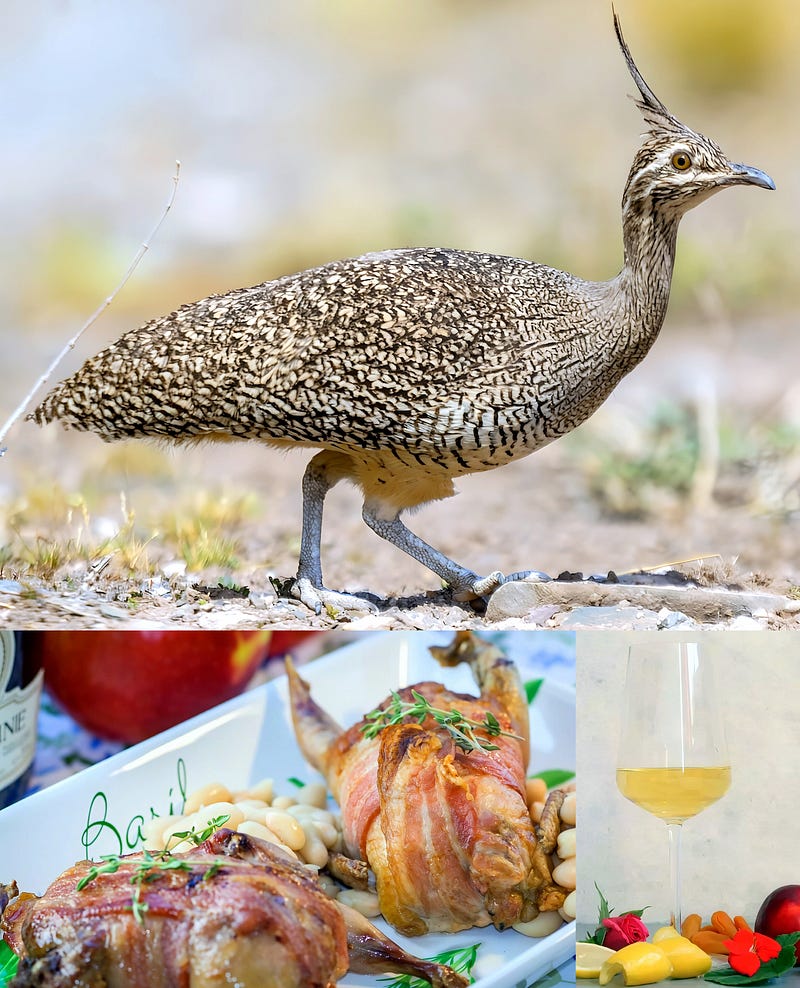
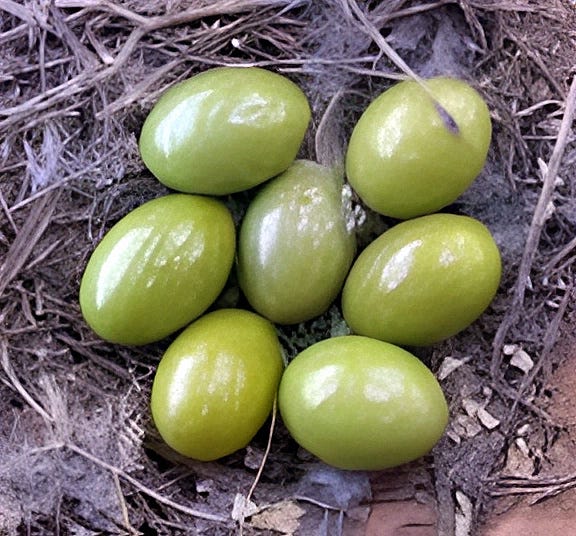
Compact yet graceful, the Crested Tinamou stands about 15 in tall (38 cm) and weighs roughly 24 oz (680 g). Its most distinctive feature is the slender, feathered crest that curves upward like an exclamation point. Plumage is cryptic, streaked in browns and grays, rendering the bird nearly invisible among grass and scrub. Despite possessing wings, tinamous are poor fliers; they rely on sudden, explosive bursts to escape predators before melting back into cover. Their reproductive system defies expectations: males are the sole incubators, tending clutches of up to 12 eggs — an iridescent teal or green — that gleam like jewels in the nest. Females, meanwhile, mate with multiple partners, a breeding system that ensures genetic diversity.
Ecology
Tinamous thrive in open scrub, grasslands, and dry forests where camouflage is key to survival. They forage for seeds, shoots, and insects, serving as both seed dispersers and pest controllers within their ecosystems. Their ecological role links them to the health of the pampas biome, a habitat increasingly pressured by agriculture and grazing. While Eudromia elegans is not globally endangered, local populations decline where intensive farming strips away cover. Sustainable grazing practices and habitat corridors could help ensure these birds remain a familiar sight in Patagonia’s wild tapestry.
Uses
For rural communities, tinamous have long held economic and cultural significance. They are sometimes hunted for meat, with small-scale harvests providing local sustenance. However, overhunting poses risks when paired with habitat loss. Efforts at sustainable management — such as controlled hunting seasons, quotas, and habitat protection — mirror conservation models used for partridge and pheasant in Europe. Ecotourism also offers promise; birdwatchers flock to Argentina’s steppe not only for condors and rheas but also for the more elusive tinamous that lend mystery to the landscape.
Culinary Aspects
In the kitchen, the Crested Tinamou has earned comparison to partridge and quail. The meat is lean, delicate, and subtly gamey, with a flavor profile that balances earthiness with a mild sweetness. When roasted, it releases a gentle aroma of grassland herbs, accented by nutty undertones from its seed-based diet. The mouthfeel is firm yet tender, with a clean finish that avoids the heaviness of larger gamebirds.
Texture is best appreciated when the bird is cooked whole, basted with olive oil, or wrapped in pancetta to retain moisture. Traditional Argentine preparations sometimes braise tinamou slowly with root vegetables, allowing the complex flavors to deepen into a rich, balanced stew. Nutritionally, 3.5 oz (100 g) of tinamou meat provides about 22 g of protein with minimal fat, making it comparable to chicken while offering a more nuanced gastronomic experience.
Wine Pairings
To complement tinamou’s elegant yet earthy character, wines from its native terroir are a natural match. A Patagonian Pinot Noir, with its delicate red fruit, soft tannins, and whisper of spice, mirrors the bird’s subtle game flavors without overpowering them. For a white option, a Torrontés from Salta offers floral aromatics and crisp acidity, balancing the richness of roasted tinamou and cutting through its lean texture. Those seeking bolder contrasts might look to a Malbec from Mendoza, whose dark berry notes and velvety mouthfeel elevate the meat’s understated sweetness.
Conclusion
The Crested Tinamou is more than a curiosity of South America’s pampas. It embodies resilience, cultural continuity, and the eternal dialogue between people and the wild landscapes they inhabit. From its prehistoric lineage to its place at the dinner table, it invites reflection on how we can honor biodiversity while sustaining traditions. Protecting its habitat, promoting sustainable use, and savoring its culinary heritage remind us that the elegant tinamou is not just a bird of the grasslands but a symbol of how nature’s oldest voices still sing in today’s world.