The Silent King of the Reef: Exploring the Gag Grouper’s Mystique
The oceans keep their secrets well, but every so often, a species rises from the blue to fascinate chefs, scientists, and conservationists…
The oceans keep their secrets well, but every so often, a species rises from the blue to fascinate chefs, scientists, and conservationists alike. The gag grouper, known scientifically as Mycteroperca microlepis, is one such marvel. To anglers, it is a prize, to chefs it is a treasure, and to marine biologists it is a keystone player in delicate reef ecosystems. Behind its muted colors and stealthy behavior lies a story of biology, culture, and sustainability that deserves far more attention than it often receives.
Taxonomy
The gag belongs to the genus Mycteroperca, a group of large, predatory groupers in the family Serranidae. Its scientific name, Mycteroperca microlepis, hints at its distinct features, with no recognized subspecies but a range of regional common names. In the southeastern United States, it is simply called gag, while in parts of the Caribbean, it is nicknamed velvet rockfish. Unlike some groupers that develop regional edible varieties or marked color morphs, the gag maintains a fairly uniform identity across its range.
Biology
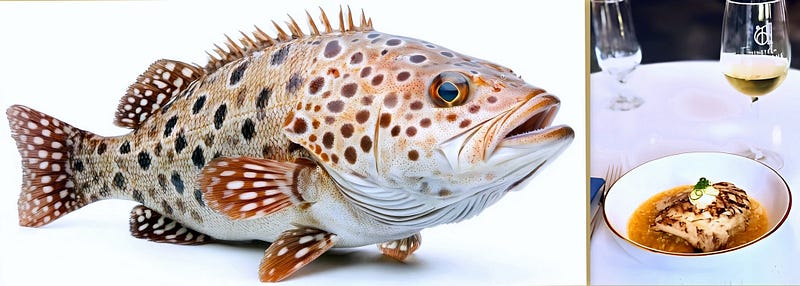
A mature gag grouper is a portrait of understated power. Its body is a blend of mottled gray and brown with subtle marbling that makes it vanish against a rocky seabed. Individuals can reach lengths of 36 inches, which converts to roughly 91 centimeters, and weigh up to 50 pounds, which equals about 22.6 kilograms. The gag’s life cycle is a lesson in adaptability and patience. It begins life as a female, drifting as planktonic larvae before settling on inshore reefs. After several years, some females undergo a remarkable transformation, changing into males in a reproductive strategy known as protogynous hermaphroditism. This switch ensures genetic diversity and maintains population balance in a species where older, larger males are crucial for spawning success.
Ecology
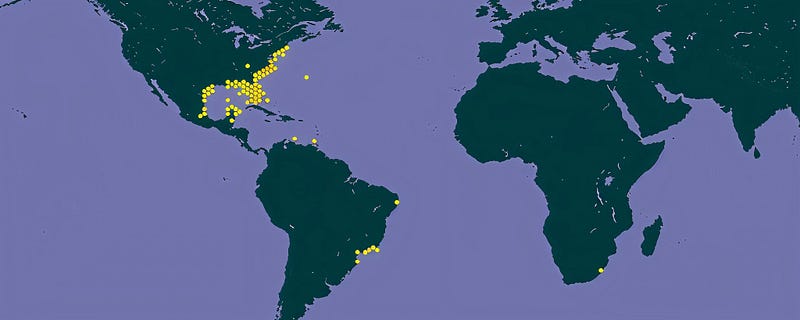
The gag grouper claims a range stretching from North Carolina down through Florida and across the Gulf of Mexico, where rocky ledges and limestone outcrops offer both shelter and hunting grounds. They are ambush predators, lying still among corals until an unwary snapper or squid comes too close. Their ecological role is significant; they help regulate populations of mid-level reef species, maintaining a balance that keeps algae growth in check and coral structures thriving. Overfishing and habitat degradation have, however, placed pressure on populations. Seasonal closures and catch limits have been implemented in many regions, a testament to how closely tied conservation and tradition have become in modern fisheries management.
Uses
Economically, the gag is a pillar of the commercial and recreational fishing industries in the southeastern United States and beyond. Its flesh is prized for both domestic markets and export, with fillets often appearing in high-end restaurants and local fish markets. Sustainability has become a central conversation, prompting responsible fisheries to emphasize traceability and adherence to quotas. Innovations such as reef rebuilding projects and strict size limits are slowly helping stocks rebound, creating a more stable market for future generations.
Culinary Aspects
In the kitchen, the gag’s flesh is a dream — firm, white, and delicately sweet with a hint of brine that speaks of deep water. It holds up beautifully to grilling, baking, or pan-searing. A fillet, typically about one inch thick, which converts to roughly 2.5 centimeters, cooks evenly and pairs well with citrus-based marinades that echo the brightness of coastal cuisine. In Florida, gag grouper sandwiches with tangy tartar sauce are a local icon, while Mediterranean chefs might poach it gently in olive oil and serve it over a bed of roasted fennel and cherry tomatoes. The nutritional profile is favorable, rich in protein and omega-3 fatty acids while low in saturated fat, making it a responsible choice for health-conscious diners.
Wine Pairings
The mildness of gag grouper invites thoughtful wine pairings. A crisp Albariño from Spain elevates the natural sweetness of the fish without overpowering it. For those who prefer something with a more traditional touch, a lightly oaked Chardonnay complements a grilled fillet beautifully, harmonizing with buttery textures and smoky char. A mineral-driven Muscadet, chilled to about 45 degrees Fahrenheit, which is approximately 7.2 degrees Celsius, creates a bracing contrast that draws out the fish’s subtle maritime notes.
Conclusion
The gag grouper’s story is one of resilience and hidden elegance. It is both a symbol of coastal heritage and a reminder of the balance required to keep oceans thriving. For those who savor its flavor, cast lines in search of it, or study its habits in the field, Mycteroperca microlepis stands as a testament to the mysteries that endure just below the waves. To honor the gag is to honor the reef itself, a living cathedral of color and life that asks only for our respect and stewardship in return.