The Silent Shape-Shifter of the North: Exploring the Willow Ptarmigan
The Arctic wind carries secrets that only the keenest observers can hear, and among the snow-crusted thickets of birch and willow, a bird…
The Arctic wind carries secrets that only the keenest observers can hear, and among the snow-crusted thickets of birch and willow, a bird both humble and magnificent thrives. The Willow Ptarmigan, known scientifically as Lagopus lagopus, is more than just a fleeting white blur in winter or a dappled speck in summer. It is a creature woven into the tapestry of northern life, sustaining ecosystems, inspiring cuisines, and challenging our understanding of sustainability in some of Earth’s harshest climates.
A Name Written in Many Tongues
Taxonomically, the Willow Ptarmigan belongs to the family Phasianidae, a cousin to grouse and pheasants. Within its genus Lagopus — a term meaning “hare-footed,” a nod to its feather-covered feet — this species stands as Lagopus lagopus. Across its immense range, it goes by many names: willow grouse in Europe, snow grouse in older English accounts, and various Indigenous Arctic languages, names that translate to “white bird” or “winter bird.” Subspecies vary by region, from the deep-russet plumage of the Scandinavian variant to the slightly paler Alaskan form, but all share the same adaptive genius that allows them to flourish from Siberia to Canada.
A Body Built for Survival
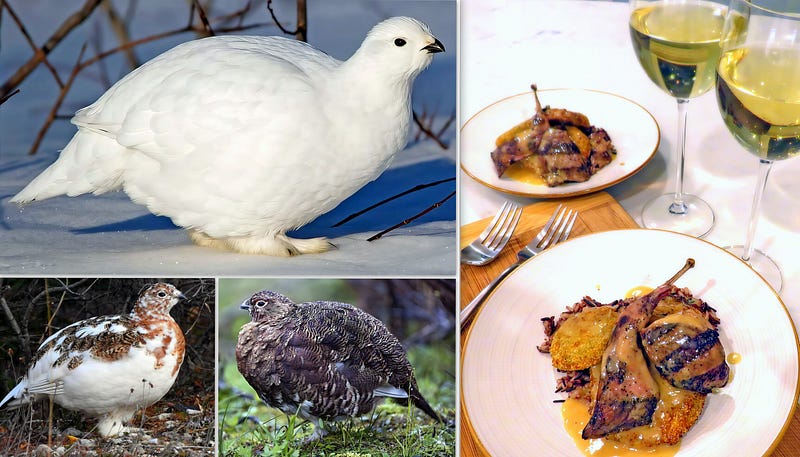
This bird is a marvel of biological engineering. In winter, it dons pure white plumage, blending perfectly with snowfields, while in summer, its feathers morph into a mosaic of browns and creams, echoing the tundra’s earthy palette. Adults typically measure around 14 to 16 inches long, which is approximately 36 to 41 cm, with males averaging slightly larger than females. Their feathered feet act like built-in snowshoes, a trait evolved to distribute their weight and glide across deep drifts without sinking. The life cycle is closely tied to seasonal rhythms: eggs laid in June hatch within three weeks, and chicks quickly grow from downy fluff to sleek juveniles before the first autumn snows.
The Pulse of the Tundra
The Willow Ptarmigan’s habitat stretches across subarctic and arctic regions, where willow shrubs dominate. These birds are vital prey for gyrfalcons, arctic foxes, and even humans, forming a cornerstone in northern food webs. They browse on buds, twigs, and catkins, helping to prune and regenerate willow thickets, an ecological service often overlooked. Climate change, however, is pressing against their range. Earlier thaws can disrupt breeding cycles, and shifting snow patterns may leave them exposed to predators. Conservationists advocate for preserving shrubland mosaics and regulating hunting seasons to maintain stable populations.

A Bird That Sustains and Inspires
Beyond its ecological role, the Willow Ptarmigan has sustained remote communities for centuries. Its meat, lean and rich, has long been a dependable protein source in places where few crops grow. In modern markets, especially in Scandinavia and Alaska, ptarmigan is sold as a seasonal delicacy, often commanding high prices due to its wild, free-range origin. Sustainable hunting quotas ensure that this tradition continues without threatening overall numbers, a balance of heritage and responsibility that many other industries could learn from.
Flavors of the North
To taste Willow Ptarmigan is to taste the tundra itself. The meat is dark, earthy, and slightly gamey, with a richness reminiscent of wild duck. Chefs in Norway braise it slowly with root vegetables and juniper, or roast it whole, basting with butter and herbs. In northern Canada, Indigenous cooks often smoke or stew the bird, infusing it with flavors of spruce and onion. A single bird weighing about 1.5 pounds, which is approximately 680 g, can provide a hearty meal for two, and when prepared with care, its meat carries not just sustenance but centuries of tradition.
A Toast to the Ptarmigan
The right wine elevates this bird’s deep flavors. A bold Pinot Noir, with its notes of dark cherry and forest floor, harmonizes beautifully with roast ptarmigan, mirroring the bird’s earthy tones. For those preferring whites, a lightly oaked Chardonnay complements the meat’s richness, its hints of butter and toasted almond weaving seamlessly with the bird’s gamey character. In Scandinavia, it is not uncommon to pair it with a local berry wine, the sweetness balancing the savory meat, a poetic interplay of tundra and table.
A Future Written in Snow and Feather
The Willow Ptarmigan reminds us that resilience and adaptability are not abstract virtues but living necessities. As we look toward a future of unpredictable climates and shifting ecosystems, this bird stands as a feathered emblem of survival. To honor it is to cherish the wild places it inhabits, to support sustainable practices that keep both culture and nature alive, and to remember that even in the coldest regions, life finds a way to sing.