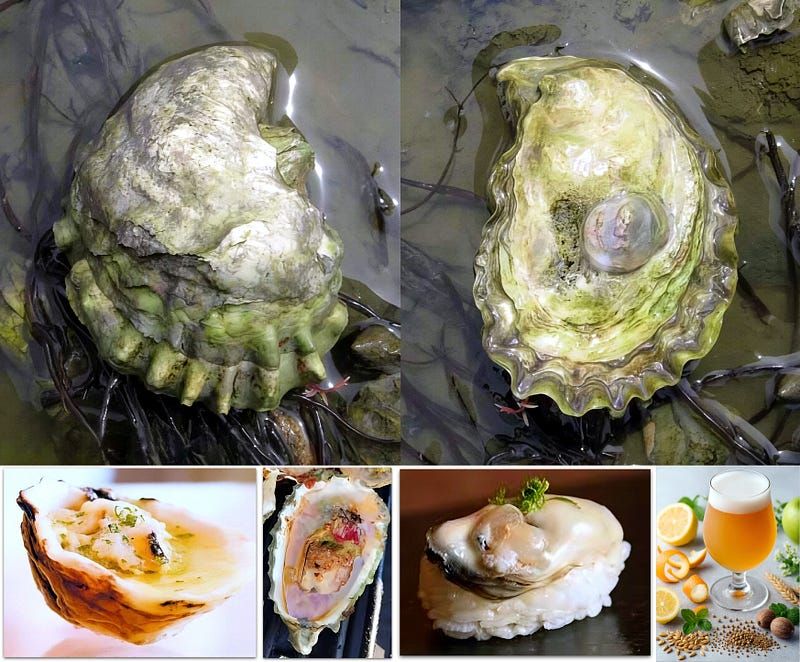
The Spanner Crab: A Culinary Treasure of the Sea
Introduction
Introduction
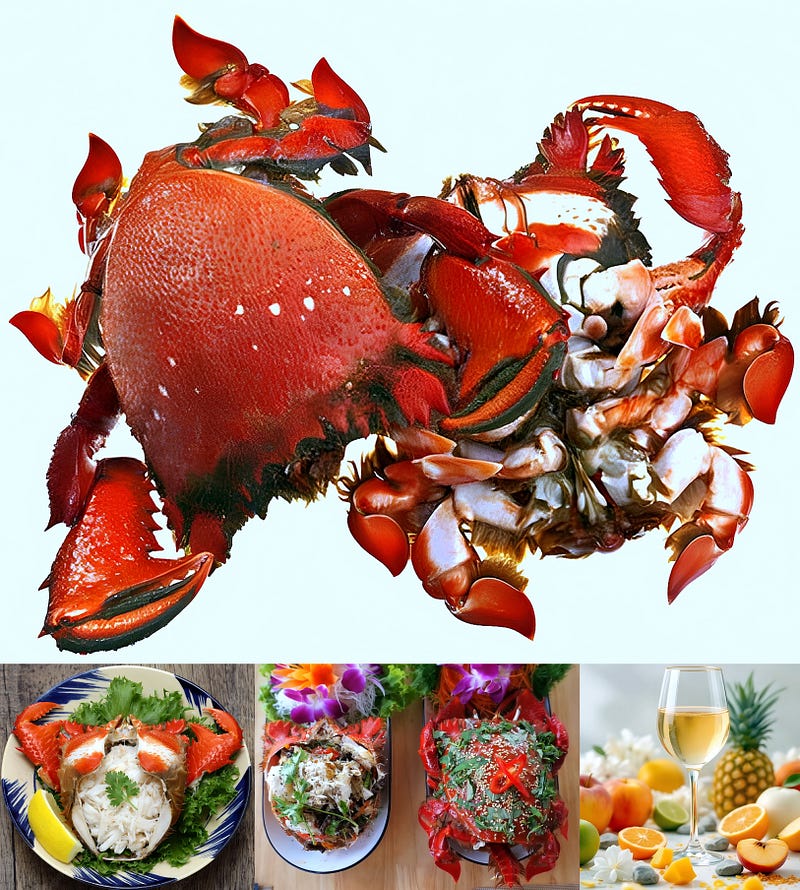
Few marine species embody both biological intrigue and gastronomic prestige quite like the spanner crab, Ranina ranina. Recognizable for its shovel-like carapace and succulent meat, this crab has become a highly sought-after delicacy across Asia-Pacific markets. Yet beyond the dining table lies a story of ecological importance, unique adaptations, and sustainability challenges. Understanding the spanner crab demands an exploration of science, cuisine, and culture intertwined.
Taxonomy
The spanner crab belongs to the family Raninidae and is scientifically classified as Ranina ranina. Known widely as the frog crab or red frog crab due to its unusual flattened shape and reddish shell, it is a monotypic species within its genus. No subspecies are formally recognized. Its common names vary across regions: in Japan, it is called “kaigani,” in Australia simply “spanner crab,” and in parts of Southeast Asia, it is marketed as “frog crab.” Unlike the blue swimmer crab (Portunus armatus) or mud crab (Scylla serrata), it has no close edible relatives, making it a singular offering in global markets.
Biology
Adult spanner crabs display a striking morphology: a broad, spade-shaped carapace averaging 15 cm (5.9 in) in width, colored deep orange to brick red. Their modified front legs act like shovels, allowing them to burrow quickly into sandy seabeds. These crabs typically weigh between 500 g (1.1 lb) and 1 kg (2.2 lb). Their diet consists of mollusks, small fish, and carrion, positioning them as opportunistic benthic predators.
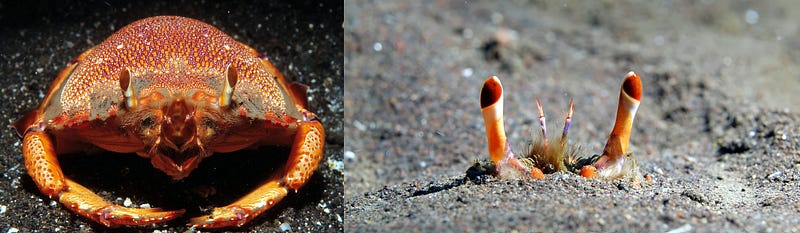
The life cycle includes a planktonic larval stage before settlement on sandy substrates at depths of 10–100 m (33–328 ft). Growth is relatively slow, with sexual maturity reached around 2.5 years. Unlike many crab species, spanner crabs display a seasonal breeding cycle that is tightly linked to water temperature and photoperiod, making them highly sensitive to environmental change.
Ecology
Spanner crabs inhabit sandy coastal shelves across the Indo-Pacific, from Japan through Australia to Hawaii. Their ecological role includes sediment turnover from burrowing and regulating mollusk populations. Because they remain buried during the day and emerge at night, they help cycle nutrients between the seabed and the water column.
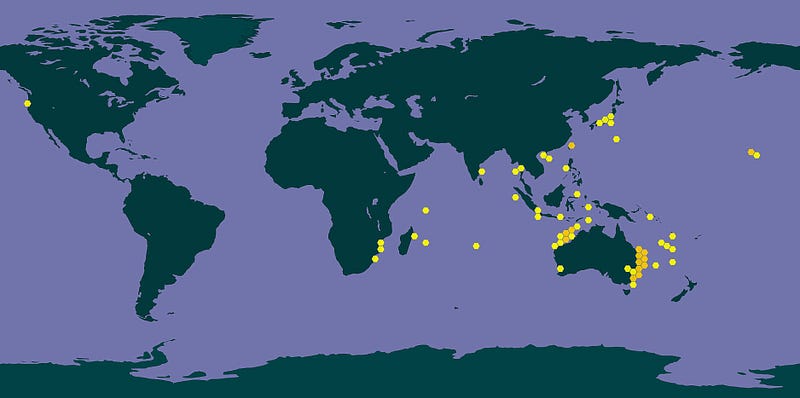
Conservation concerns have grown as intensive fishing methods target this species, particularly in Queensland, Australia, where commercial trapping sustains a multimillion-dollar industry. Regulations now impose strict size limits, closed breeding seasons, and quota-based fisheries management. Sustainability hinges on balancing harvest pressure with ecological resilience, as overfishing could disrupt benthic ecosystems dependent on sediment mixers like the spanner crab.
Uses
Economically, spanner crabs represent one of the most valuable crustacean exports for Australia and a significant local fishery in Southeast Asia. Their firm flesh commands premium prices in Asian seafood markets, particularly in Japan and Singapore. Unlike some crabs where only claws are harvested, the spanner crab’s body meat is prized for its sweetness and uniform flake, making it versatile for high-end gastronomy.
From a sustainability perspective, spanner crabs are relatively resilient to trap fishing, since discarded undersized individuals have high survival rates. Still, growing demand in Asia raises long-term concerns about pressure on natural populations.
Culinary Aspects
Spanner crab meat is often compared to rock lobster for its delicate sweetness. The flavor profile is clean and oceanic, with light mineral undertones. Aroma is subtle, carrying a faint brininess without being overpowering. Mouthfeel is silky, while texture is both firm and flaky, striking a rare balance between density and delicacy.
Complexity emerges in its sweetness and umami depth, which lingers on the palate with a refined aftertaste. Its finish is crisp, leaving no oily residue, unlike fattier crustaceans. Visually, the cooked flesh appears bright white with translucent pearlescence. Chemesthesis is minimal, making it an ideal pairing with spices and aromatics that won’t overpower.
Culturally, spanner crab is celebrated in Japanese kaiseki cuisine, steamed with precision to highlight natural sweetness. In Australia, it is commonly served chilled with lemon wedges, or folded into pastas and risottos where its delicate flavor shines. Nutritionally, spanner crab meat is rich in protein, low in fat, and provides essential minerals like zinc, selenium, and iodine, making it both indulgent and health-conscious.
Wine Pairings
The refined sweetness and light umami of spanner crab invite pairings that emphasize freshness, minerality, and aromatic nuance.
A Muscadet Sèvre et Maine from the Loire Valley complements simply steamed spanner crab. Its bracing acidity and saline minerality echo the crab’s oceanic purity while cleansing the palate.
A Verdejo from Rueda, Spain, works beautifully with crab prepared in citrus-forward ceviche or chilled salads. Its grapefruit and fennel notes reinforce the zesty brightness without overpowering the crab’s delicacy.
For richer preparations such as risotto or butter-poached crab, a Fiano di Avellino from Campania, Italy, provides textural depth. Its stone fruit, honeyed accents, and medium body create harmony with the crab’s silky mouthfeel.
If the crab is prepared with ginger, chili, or Southeast Asian spices, a dry German Riesling with high acidity and aromatic lift brings balance. Its green apple and petrol hints cut through spice heat while supporting the sweetness of the meat.
Finally, for adventurous palates, a Santorini Assyrtiko offers volcanic minerality and citrus zest, aligning with grilled spanner crab dishes where charred smokiness interacts with the crab’s sweetness.
Conclusion
The spanner crab, Ranina ranina, is more than just a premium seafood item. Its unusual biology, critical ecological role, and growing global demand position it at the intersection of marine science, cuisine, and sustainability. To savor spanner crab is to participate in a broader story of ocean stewardship, cultural tradition, and culinary innovation. Whether steamed in Japan, paired with Assyrtiko in Greece, or integrated into modern Australian cuisine, this species challenges us to eat thoughtfully and conserve wisely.