The Spectacled Eider: Arctic Jewel of Land, Sea, and Culture
Introduction
Introduction
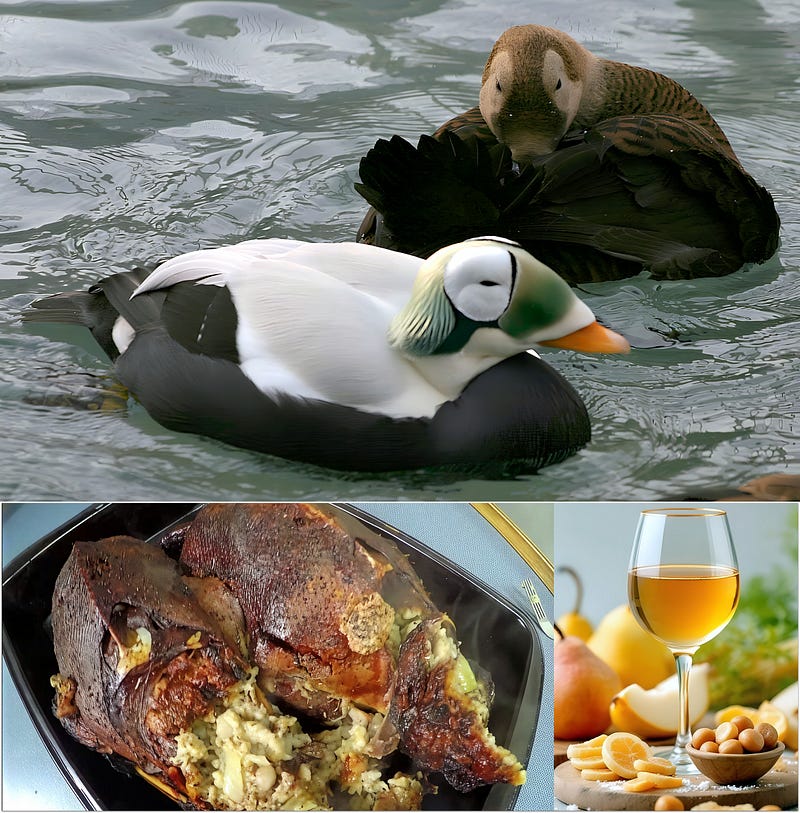
Far above the Arctic Circle, where ice and ocean wrestle for dominance, one bird with striking features commands attention — the Spectacled eider (Somateria fischeri). Its pale green face mask encircling dark eyes gives the illusion of a bird wearing glasses, a characteristic that has fascinated naturalists and indigenous hunters alike. More than a curiosity, this sea duck is a keystone in fragile Arctic ecosystems and a species that has long shaped culinary and cultural practices across Siberia and Alaska. Today, it stands at the intersection of conservation, sustainability, and food heritage.
Taxonomy
The Spectacled eider belongs to the genus Somateria, which also includes the common eider (Somateria mollissima), king eider (Somateria spectabilis), and Steller’s eider (Polysticta stelleri, historically included within Somateria). Its scientific classification is as follows: Kingdom Animalia, Phylum Chordata, Class Aves, Order Anseriformes, Family Anatidae, Genus Somateria, Species Somateria fischeri. Unlike the more widely distributed common eider, the spectacled eider has no recognized subspecies. It is locally known among the Yupik as “Qavaungaq,” a name that reflects both cultural intimacy and subsistence reliance. While other eiders are valued for both down and meat, the spectacled eider is particularly prized in traditional diets.
Biology
The male spectacled eider is unmistakable: a pale green nape and creamy white face bordered by the “spectacles,” paired with a deep orange bill. Females are more cryptic, covered in mottled brown plumage that provides camouflage on tundra nesting grounds. Adults weigh around 3.5 lb (1.6 kg), with a wingspan close to 39 in (100 cm). They dive to depths exceeding 150 ft (46 m) to feed, staying underwater for up to a full minute, a physiological feat among sea ducks. Their diet is dominated by mollusks such as clams, alongside crustaceans and benthic invertebrates. Chicks hatch in midsummer and grow rapidly in tundra wetlands before migrating to pack ice zones in the Bering Sea.
Ecology
Spectacled eiders breed on coastal tundra in Alaska and Siberia, nesting near ponds and rivers. They spend winters in polynyas — open-water areas within the sea ice of the Bering Sea. These concentrated winter flocks, once hidden from science, were only discovered in the mid-1990s by satellite tracking. Their ecological role is critical: they regulate benthic invertebrate populations and serve as prey for Arctic foxes and gulls. However, their population has declined due to habitat loss, lead poisoning from ingested shot, and climate-driven shifts in sea ice. The species is currently listed as Near Threatened, with regional conservation programs emphasizing lead abatement and community-based monitoring.

Uses
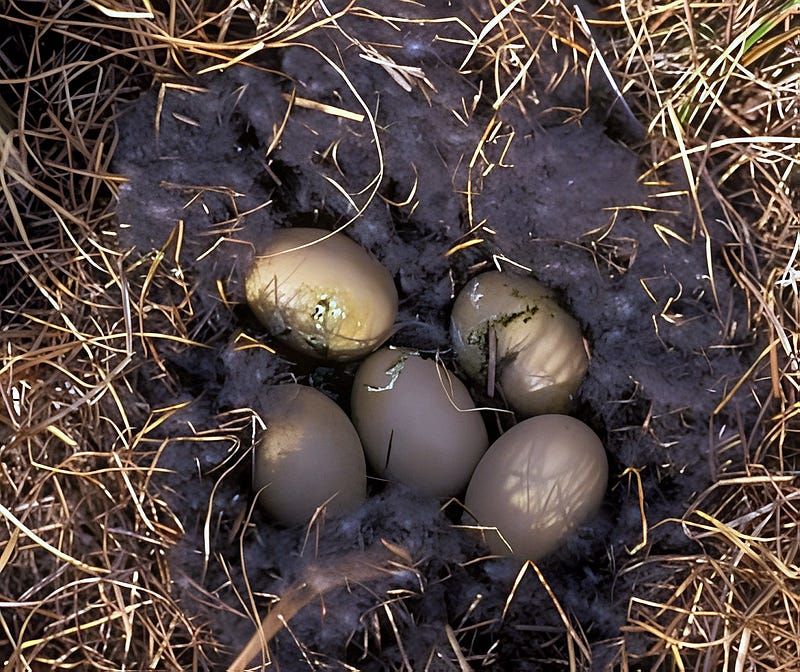
Historically, the spectacled eider was central to subsistence economies. Indigenous peoples collected their down for insulation, similar to the famed eiderdown trade in Scandinavia. Meat and eggs provided high-calorie nutrition in environments where alternatives were scarce. Today, while commercial harvest is restricted to protect populations, subsistence hunting remains legally permitted in Alaska under co-management agreements. Beyond subsistence, the bird’s economic importance extends to ecotourism: Arctic wildlife tours market sightings of this rare species, generating income for remote communities.
Culinary Aspects
Spectacled eider meat is darker and denser than that of domestic ducks, with a flavor often described as intensely marine, reflecting their diet of clams and crustaceans. The taste profile is briny, earthy, and umami-rich, with a lingering finish reminiscent of sea air. The aroma carries subtle notes of iodine and kelp. Mouthfeel is firm yet oily, providing sustaining richness in cold climates. Traditional preparation involves slow-boiling or stewing, sometimes fermented in underground caches to intensify flavor. Nutritionally, the meat is high in protein and omega-3 fatty acids, while the fat provides concentrated energy necessary for Arctic survival. Appearance is darker red than that of farmed poultry, and chemesthesis (the sensory perception of chemical irritants) is mild, making it versatile when paired with bold seasonings like wild garlic, juniper, or seal oil.
Wine Pairings
Pairing wine with a bird as unique as the spectacled eider requires careful consideration of its marine-influenced gamey profile. A Loire Valley Cabernet Franc offers bright acidity and herbaceous notes that cut through the fat while echoing tundra herbs. A Jura Vin Jaune provides oxidative nuttiness that harmonizes with the iodine-rich flavors, creating a bracing maritime balance. For those preparing the bird in stews with root vegetables, a Sicilian Frappato supplies light tannins and red fruit that complement without overwhelming. A Galician Albariño suits grilled or lightly smoked preparations, its saline minerality resonating with the bird’s oceanic undertones. Finally, for fermented or strongly seasoned dishes, a Hungarian Juhfark delivers high acidity and structure, cleansing the palate while standing up to intensity.
Conclusion
The spectacled eider is more than a beautiful duck in Arctic spectacles — it is a living thread weaving together ecosystems, cultures, and cuisines. Its survival depends on balancing conservation with the preservation of indigenous lifeways. To study and appreciate this species is to engage with broader questions of how humanity navigates the fragile intersections of biodiversity, tradition, and sustainability. As the Arctic warms, the fate of the spectacled eider will remain a measure of both ecological resilience and cultural continuity.