The Unlikely Philosopher-General: How Fabius Maximus Redefined Roman Virtue
We fight, get beat, rise, and fight again. The whole country is one continuous scene of blood and slaughter. — Nathanael Greene in letter…
We fight, get beat, rise, and fight again. The whole country is one continuous scene of blood and slaughter. — Nathanael Greene in letter to Chevalier de la Luzerne, April 28, 1781
Quintus Fabius Maximus Verrucosus, the Roman general who confronted Hannibal in the Second Punic War, left an intellectual legacy not through written texts but through his revolutionary actions and the steadfast principles that guided them. While he is not known to have authored any major written works, his life and strategies themselves became a testament to a powerful and contrarian philosophy. His contributions can be understood through the central arguments he embodied, his distinct psychology, and the deeply held beliefs that shaped his political and military conduct.
The core of Fabius’s intellectual contribution was his central argument against direct confrontation with Hannibal, a theory that would later be enshrined as the “Fabian Strategy.” Confronted with a military genius who had shattered two Roman armies, Fabius presented a radical thesis: the path to victory lay not in seeking a decisive, glory-filled battle, but in avoiding one. He argued that Rome’s strength lay in its resilience and resources, and that by targeting the enemy’s supply lines through a scorched earth policy and engaging only in small, opportunistic skirmishes on favourable ground, Hannibal’s formidable army could be worn down through attrition. This was a then-novel theory of warfare that privileged long-term strategy over short-term tactical victories. His famous agnomen, Cunctator, or “the Delayer,” was initially a mocking insult from political opponents who saw his caution as cowardice, but he transformed it into a title of honour, embodying the argument that patience could be a more potent weapon than sheer force.
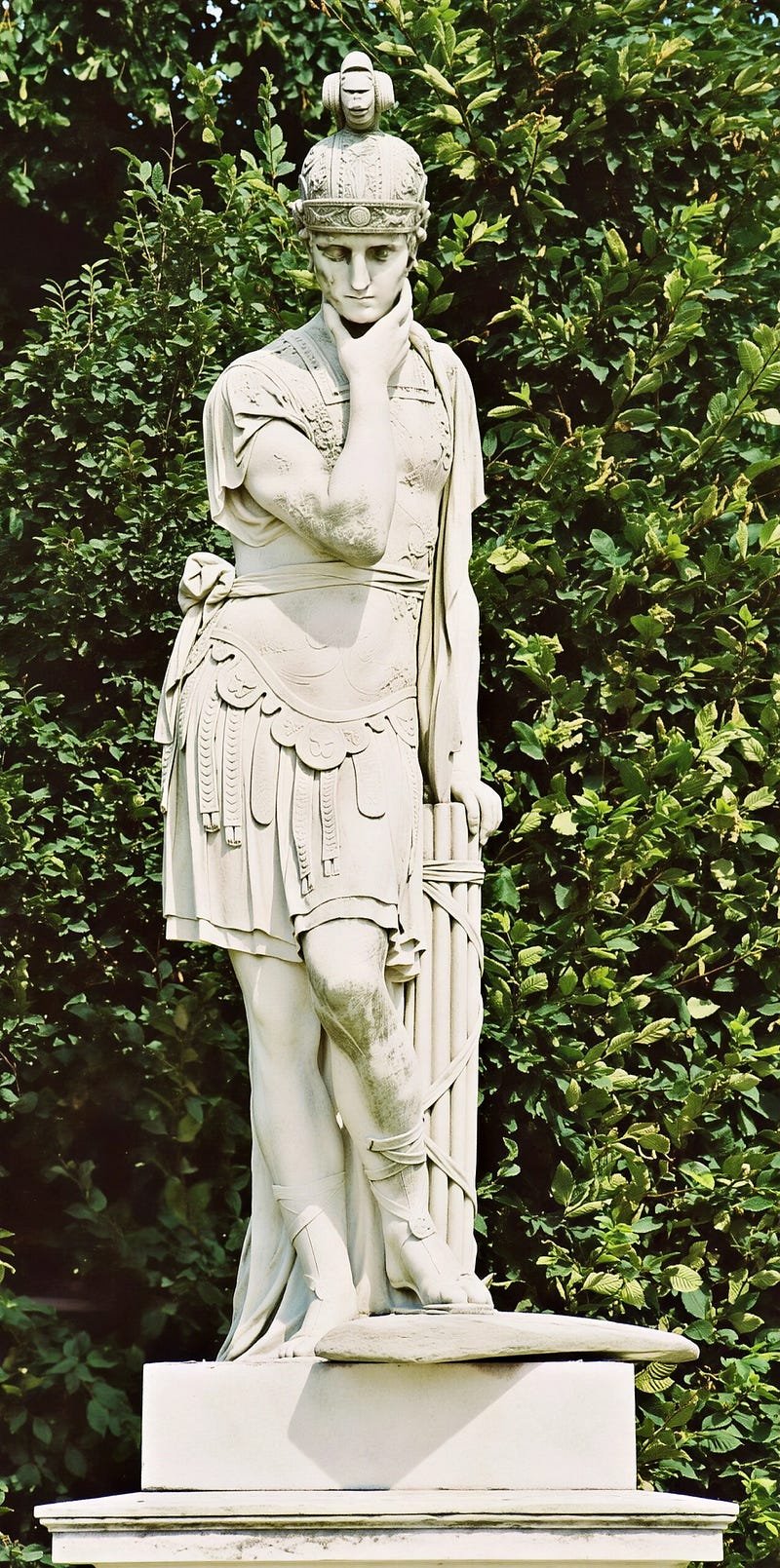
The psychology of Fabius is crucial to understanding his success. From his youth, he was perceived as slow, docile, and unimpressive, earning him the childhood nickname “Ovicula,” or “Lambkin.” However, this outward appearance of plodding lethargy masked a profound inner strength. His seeming slowness was in reality a deep, unwavering prudence, and his calm demeanour concealed what the historian Plutarch described as a “leonine temper” and an “inexorable firmness.” This disposition made him uniquely resistant to the public pressure and political taunts that doomed more impulsive generals. He possessed the psychological fortitude to endure criticism and maintain his strategic course, a trait that was perfectly suited to the war of attrition he championed.
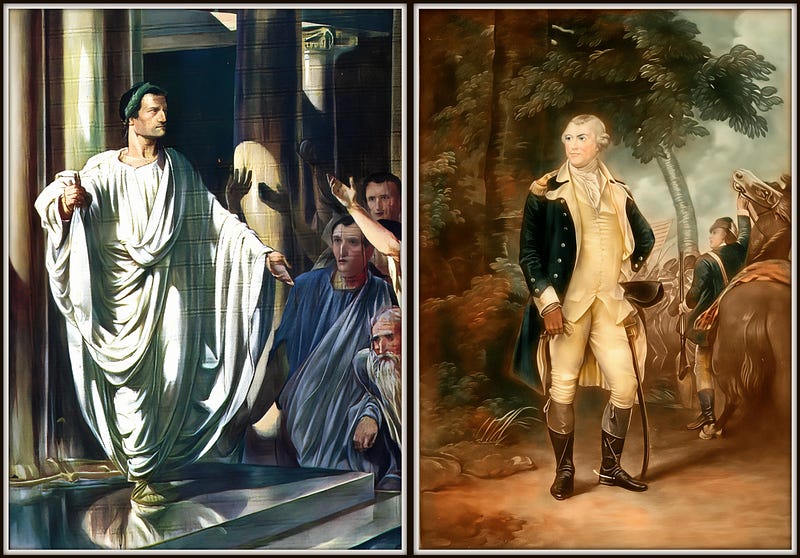
His personal philosophy was rooted in a pragmatic and conservative realism. He operated on the principle that one must understand and respect the strength of one’s adversary rather than underestimate it out of pride. This was not a philosophy of defeatism, but one of practical engagement with the world as it was, not as one wished it to be. He believed in the strategic application of time and pressure, a principle that has resonated far beyond the battlefield, influencing figures like George Washington. Furthermore, his philosophy was deeply interwoven with traditional Roman piety. After the disastrous defeat at Lake Trasimene, which he and others attributed to the gods’ displeasure, his first act as dictator was to order massive public sacrifices and religious festivities to restore divine favour. He understood that winning the confidence of the Roman people was as much a spiritual and psychological task as a military one.
Politically, Fabius was a staunch conservative and a pillar of the Roman Senate. He believed in the established structures of the state and viewed ambitious, populist leaders with deep suspicion. His political ideology was one of stability and preservation, prioritising the survival and long-term health of the Republic over the personal glory of any individual general. This was most evident in his later years when he vehemently opposed Scipio Africanus’s plan to carry the war to Africa. Fabius argued that this aggressive plan was too risky and that Rome should focus on fully expelling Hannibal from Italy first. He feared the concentration of too much power and fame in a single popular commander, seeing it as a potential threat to the Republican system he sought to shield.
Ultimately, all of these elements were underpinned by his core beliefs and values. His highest value was the salvation of Rome, and he subordinated all personal ambition and reputation to this goal. He valued the collective good over individual glory, a belief that put him at odds with the more traditional Roman conception of martial virtue. He embodied the virtues of patience, endurance, and strategic foresight. The poet Ennius later immortalised this with the famous line, “unus homo nobis cunctando restituit rem” — “one man restored the state to us by delaying.” Fabius Maximus demonstrated that true strength could be found not only in the forceful blow but also in the steadfast will to withstand, outlast, and patiently await the right moment to secure a lasting victory.